
20 Best Acupuncture Books
The best acupuncture books, ranked by how many expert sources recommend each one, with notes for curious readers, students, and trained practitioners.
Our take
Acupuncture books serve several different readers: people curious about an appointment, students learning traditional concepts, and practitioners consulting detailed references. Some explain Chinese medical theories of channels and patterns. Others use a Western medical framework or focus on anatomy, point names, diagnostic traditions, and particular schools of practice. Knowing which purpose a book serves makes the choice more useful than simply choosing the largest manual.
Between Heaven and Earth and The Web That Has No Weaver introduce traditional Chinese medicine for general readers. The Foundations of Chinese Medicine develops that framework for students, while A Manual of Acupuncture concentrates on points and channels. Specialist books examine particular theories in greater depth. An Introduction to Western Medical Acupuncture takes a different route through medical concepts and discussion of research, rather than treating traditional explanations as interchangeable with scientific mechanisms.
Start with a general introduction if the terminology is unfamiliar. For professional study, choose texts that fit your course or clinical background, and use technical point references alongside supervised practical training.
20 books · 9 sources · Last updated
As an Amazon Associate, we earn from qualifying purchases (at no extra cost to you).
How to choose from this list
Skip to the full rankingIf you're curious about treatment: The Acupuncture Handbook → The Web That Has No Weaver
If you're beginning traditional theory: The Foundations of Chinese Medicine → Fundamentals of Chinese Acupuncture
If you need a point reference: A Manual of Acupuncture → Pictorial Atlas of Acupuncture
If you want to study channel theory: Applied Channel Theory in Chinese Medicine → The Channels of Acupuncture
If point names interest you: Grasping the Wind
If you're a healthcare professional seeking a medical framework: An Introduction to Western Medical Acupuncture
The 20 books, ranked
Ranked by how many expert sources name each book. Ties go to the book more people recommend.
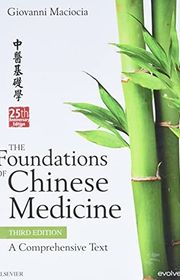
The Foundations of Chinese Medicine
For students who want a systematic traditional-theory foundation before clinical or channel-specific texts. The progression and study structure provide a broad course companion, though the length and specialized vocabulary require sustained study rather than occasional browsing.
What it's about
Giovanni Maciocia introduces traditional Chinese medical concepts, organ functions, diagnostic methods, and patterns of disharmony. The textbook progresses from theoretical foundations toward interpretation and practice, using illustrations and study material for students of acupuncture and Chinese herbal medicine.

A Manual of Acupuncture
For acupuncture students and trained practitioners who need a substantial point-and-channel reference. The illustrations and traditional commentary support detailed consultation, though the technical location and needling material assumes training rather than casual interest.
What it's about
Peter Deadman and his colleagues provide an illustrated reference to acupuncture channels and points. Anatomical drawings, traditional commentaries, location guidance, and precautions accompany discussions of point selection, needling methods, and the indications described in Chinese medicine.

For general readers who want an approachable introduction to Chinese medicine's worldview. Its explanations connect theory with everyday concerns, though the traditional framework and broad health claims need distinguishing from evidence about particular treatments.
What it's about
Harriet Beinfield and Efrem Korngold introduce the philosophy and practice of traditional Chinese medicine for Western readers. They explain its theories, therapeutic approaches, and constitutional types, presenting the connections this tradition draws between mind, body, and health.

Chinese Acupuncture and Moxibustion
For students who want traditional concepts, diagnosis, and acupuncture techniques in a structured textbook. Its broad framework supports course-based study, though the technical detail and traditional terminology make it demanding as a first general-interest book.
What it's about
Cheng Xinnong's textbook introduces the theory and practice of Chinese acupuncture and moxibustion. Traditional concepts of yin and yang, qi, organs, channels, and points lead into diagnostic methods, syndrome differentiation, and clinical techniques.
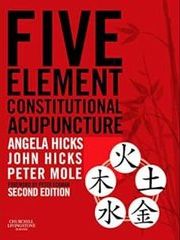
Five Element Constitutional Acupuncture
For readers studying the constitutional Five Element tradition specifically. It explains that approach's concepts and diagnostic reasoning in depth, though the specialized framework is one school of acupuncture rather than a neutral survey of all approaches.
What it's about
Angela Hicks, John Hicks, and Peter Mole introduce constitutional Five Element acupuncture through its history, theoretical concepts, diagnostic framework, and treatment principles. The text relates the five elements to traditional organ functions and compares this approach with other acupuncture traditions.

For readers who want to understand the reasoning and vocabulary of traditional Chinese medicine. Kaptchuk explains differences between medical frameworks clearly, though the conceptual introduction offers less practical detail on acupuncture points or procedures.
What it's about
Ted Kaptchuk explains the concepts and diagnostic framework of traditional Chinese medicine for Western readers. He explores its emphasis on interconnected patterns of disharmony and contrasts that perspective with Western approaches to understanding illness.
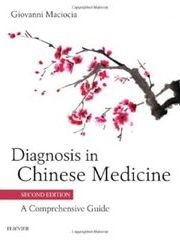
Diagnosis in Chinese Medicine
For students who already know basic theory and want a detailed account of traditional diagnostic interpretation. Its cross-references and cases support systematic study, though the extensive signs and patterns can overwhelm readers seeking a brief introduction.
What it's about
Giovanni Maciocia explains diagnostic interpretation within traditional Chinese medicine, combining observation, questioning, and patterns of signs and symptoms. Illustrations, cross-references, and case histories show how the tradition organizes information into its own framework of diagnosis.
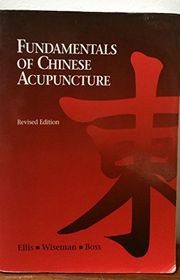
Fundamentals of Chinese Acupuncture
For students interested in a systematic presentation with carefully translated terminology. Its attention to classical and modern Chinese approaches complements more conversational introductions, though the technical vocabulary and scope make it a study text rather than a casual overview.
What it's about
Andrew Ellis, Nigel Wiseman, and Ken Boss present acupuncture principles and techniques through a systematic account of Chinese medical theory. The text brings together classical and modern approaches, using consistent translated terminology to organize concepts for students.
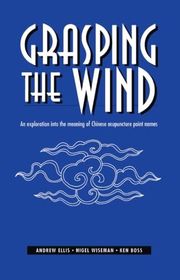
Grasping the Wind
For students who want to understand point names rather than memorize labels alone. The linguistic and historical explanations add context to a location manual, though this specialized reference doesn't provide a complete foundation in acupuncture practice.
What it's about
Andrew Ellis, Nigel Wiseman, and Ken Boss examine the meanings of traditional acupuncture point names. Chinese characters, pronunciation, translations, alternate names, and historical explanations connect terminology with the concepts and associations found in Chinese medical literature.
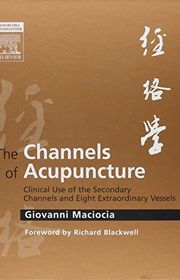
The Channels of Acupuncture
For students and practitioners who want to go beyond the main channel pathways. Its sustained attention to secondary channels and extraordinary vessels gives specialist depth, though it assumes a foundation in traditional theory and point terminology.
What it's about
Giovanni Maciocia examines secondary channels and the eight extraordinary vessels within traditional Chinese medicine. The book describes pathways, theoretical relationships, diagnostic interpretations, and clinical examples, organizing material for students and practitioners seeking a more detailed account of channel theory.

The Practice of Chinese Medicine
The Treatment of Diseases with Acupuncture and Chinese Herbs
For students and practitioners applying traditional theory to clinical case discussion. The condition-based organization is useful after foundational study, though the combination of acupuncture and herbs makes it broader and more technical than a point reference.
What it's about
Giovanni Maciocia explains applying traditional Chinese medical theory to clinical conditions through acupuncture and herbal treatment. Chapters examine causes, syndrome differentiation, treatment choices, and case studies, alongside summaries of Western differential diagnosis and discussions of prognosis.
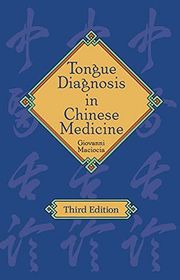
Tongue Diagnosis in Chinese Medicine
For students examining one traditional diagnostic method in depth. The photographs and cases provide more visual detail than a general theory text, though the specialized interpretive framework needs understanding in its traditional context rather than as a general diagnostic tool.
What it's about
Giovanni Maciocia presents tongue examination within traditional Chinese medicine, considering color, shape, coating, and their interpreted relationships to patterns. The third edition includes photographs, case histories, historical discussion, and material connecting tongue observation with other traditional assessments.
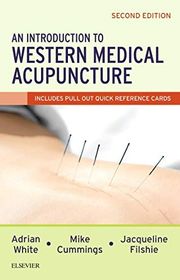
An Introduction to Western Medical Acupuncture
For healthcare professionals who want an introduction framed around modern medical concepts and research. Its discussion of mechanisms, evidence, and clinical principles contrasts with traditional theory texts, though the professional focus assumes relevant anatomical and clinical background.
What it's about
Adrian White, Mike Cummings, and Jacqueline Filshie introduce Western medical acupuncture through neurophysiological explanations, research discussions, and clinical principles. The second edition examines proposed mechanisms, evidence, practical decision-making, and risks within a modern medical framework.
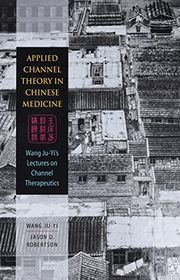
Applied Channel Theory in Chinese Medicine
For practitioners interested in connecting channel examination with traditional organ theory. The dialogue, narratives, and cases make Wang's reasoning easier to follow, though the apprenticeship-based perspective represents a particular method and assumes substantial background knowledge.
What it's about
Wang Ju-yi and Jason D. Robertson explore relationships between channel and organ theory in Chinese medicine. Developed from apprenticeship discussions, the book combines questions, clinical narratives, case studies, and explanations of Wang's approach to examining channels.
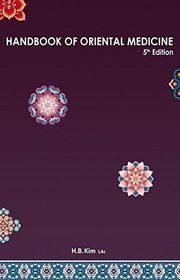
Handbook of Oriental Medicine
For students who prefer condensed charts and summaries alongside longer textbooks. The handbook brings several study areas together for revision, though the linked older edition's examination and regulatory material needs checking against current requirements.
What it's about
H. B. Kim organizes traditional medical theory, diagnosis, acupuncture, herbs, formulas, and related study material into a reference handbook. Charts and summaries support review across subjects, with sections also addressing Western medical concepts and professional examination topics.

Insights of a Senior Acupuncturist
For practitioners interested in one clinician's focused point-combination approach. Lee's experience gives the discussion a distinctive perspective, though the narrow method and case-based reasoning complement rather than replace a broad textbook or research review.
What it's about
Miriam Lee explains her acupuncture approach, centered on a distinctive combination of five major points. Discussions of qi circulation, five-phase points, and systemic and local conditions connect her clinical experience with theories from traditional Chinese medicine.

For students who learn point locations through anatomical images and photographs. The visual emphasis makes it a useful companion to a text-heavy manual, though an atlas provides less theoretical explanation and cannot replace supervised practical study.
What it's about
Yu-Lin Lian and his colleagues present an illustrated atlas of 409 acupuncture points. Anatomical diagrams, meridian overviews, and photographs of needle placement accompany names, properties, and traditional indications drawn from Chinese sources and the authors' practice.
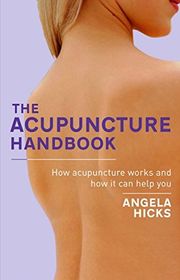
The Acupuncture Handbook
For general readers who want to know what an acupuncture appointment may involve. The accessible format is less daunting than a clinical manual, though its traditional explanations and broad treatment claims need reading with appropriate critical distance.
What it's about
Angela Hicks introduces acupuncture for readers considering or curious about treatment. She discusses the experience of an appointment, traditional Five Element ideas, the range of uses proposed by practitioners, and questions involved in finding and understanding a practitioner.

The Spark in the Machine
How the Science of Acupuncture Explains the Mysteries of Western Medicine
For readers interested in a proposed bridge between Chinese medical ideas and Western physiology. The narrative makes the comparison accessible, though its explanatory hypotheses should be read as the author's argument rather than settled mechanisms.
What it's about
Daniel Keown proposes connections between Chinese medicine and Western accounts of the body. Exploring embryology, electrical processes, regeneration, and acupuncture channels, he argues for an integrated understanding of physiology through the two medical traditions.

Acupuncture Points Handbook
A Patient's Guide to the Locations and Functions of over 400 Acupuncture Points
For curious patients who want plain-language orientation to point names and traditional functions. Its accessible scope complements the professional manuals, though the brief explanations aren't a substitute for anatomical study or supervised training.
What it's about
Deborah Bleecker introduces the locations and traditional functions of more than 400 acupuncture points. Written for readers without professional acupuncture training, the handbook uses plain-language explanations to make point terminology and the author's account of their uses easier to understand.
Sources
- 1
Acupuncture with Point Location Examination Suggested Bibliography
ncbahm.org
- 2
AMFI-Traditional Chinese Medicine Resource Guide
amfoundation.org
- 3
Student Resources - AcuMed
acumed.org
- 4
100 Best Acupuncture Books of All Time (Updated for 2026)
shortform.com
- 5
Acupuncture Books
goodreads.com
- 6
Reliable books for chinese medicine
reddit.com
- 7
Books
acupuncturecollege.org.uk
- 8
Reading List
medical-acupuncture.co.uk
- 9
Reviews of books on Acupuncture
acampbell.org.uk






Edited by
Software engineer whose passion for tracking book recommendations from podcasts inspired the creation of MRB.
Lead investor at 3one4 Capital whose startup expertise and love for books helped shape MRB and its growth.
Comments
Spotted a missing book, a wrong order or a mistake? Tell us and we'll fix this page.
We're a reading guide, not the author or publisher, so we can't send books or pass on messages.