
15 Best Succulent Books
The best succulent books, ranked by how many expert sources recommend each one, with notes on who each suits, from new growers to designers and collectors.
Our take
Succulent books can help with very different projects: keeping a first plant healthy, identifying a growing collection, arranging containers, or planning an outdoor garden. A broad beginner’s guide usually gives the most useful starting vocabulary. Design and craft books become more helpful once you understand the growing conditions your plants need, while specialist references reward readers who want to explore particular groups.
Essential Succulents offers a manageable introduction, and A Beginner's Guide to Succulent Gardening takes a visual, practical approach. For containers, Succulent Container Gardens keeps attention on composition; Designing with Succulents moves toward the wider landscape. Hardy Succulents addresses gardeners working beyond the familiar warm-climate setting, while Agaves concentrates on one distinctive group. Start with the scale of your project and your climate, then choose between an instructional guide, a photographic source of ideas, and a reference to consult repeatedly.
15 books · 6 sources · Last updated
As an Amazon Associate, we earn from qualifying purchases (at no extra cost to you).
How to choose from this list
Skip to the full rankingIf you're growing your first succulents: Essential Succulents → A Beginner's Guide to Succulent Gardening
If you want to design container displays: Succulent Container Gardens → DIY Succulents
If you're planning an outdoor garden: Designing with Succulents → Hardy Succulents
If you want to explore plant diversity: The Gardener's Guide to Succulents → The Timber Press Guide to Succulent Plants of the World
If you want a focused agave reference: Agaves
The 15 books, ranked
Ranked by how many expert sources name each book. Ties go to the book more people recommend.
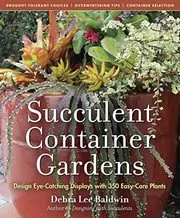
Succulent Container Gardens
Design Eye-Catching Displays with 350 Easy-Care Plants
For gardeners who want to compose succulent displays in pots rather than redesign a whole landscape. Baldwin connects plant forms with container choices, though outdoor examples need adjustment for the light and climate you can provide.
What it's about
Debra Lee Baldwin explains how to create succulent displays in containers using a wide range of plants. Guidance on soil mixes, winter care, and propagation accompanies design ideas that explore the plants' colors, textures, and sculptural forms.
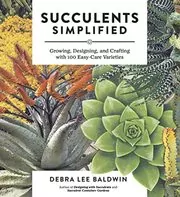
Succulents Simplified
Growing, Designing, and Crafting with 100 Easy-Care Varieties
For readers who want one approachable mixture of cultivation, design, and creative projects. Baldwin keeps the selection focused on accessible varieties, though that introductory scope offers less botanical depth than the larger specialist references.
What it's about
Debra Lee Baldwin profiles one hundred succulents and explains their cultivation and care. Step-by-step projects apply the plants to centerpieces, bouquets, vertical gardens, and topiary, combining gardening instruction with ideas for displays and decorative crafts.
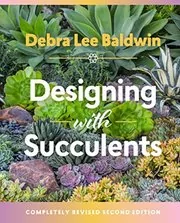
Designing with Succulents
For readers planning succulent beds and larger garden compositions. Baldwin gives landscape structure and companion planting more attention than the craft books, though the examples require careful translation to gardens with different climates.
What it's about
Debra Lee Baldwin combines succulent garden design with cultivation guidance and plant recommendations. This revised edition includes profiles of companion plants and hundreds of photographs, helping readers plan, establish, and maintain landscapes suited to growing succulents.
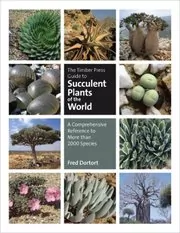
The Timber Press Guide to Succulent Plants of the World
A Comprehensive Reference to More than 2000 Species
For collectors who want to explore a much wider range of succulent plants. Dortort connects diversity with habitat and cultivation, though the scale and specialist detail make it less approachable than a short first guide.
What it's about
Fred Dortort organizes more than two thousand succulent species into twenty-eight groups, including aloes, agaves, euphorbias, and succulent trees. Entries combine information about native habitats with cultivation requirements and horticultural possibilities for growers and collectors.
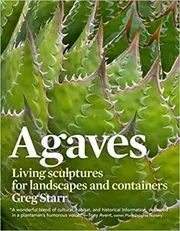
For gardeners who want to choose agaves with their eventual size and appearance in mind. Starr provides focused species information, though the narrow plant group makes it a specialist companion rather than a general succulent introduction.
What it's about
Greg Starr profiles seventy-five agave species alongside cultivars and hybrids for gardens and containers. Entries explain hardiness, light, water, soil, and propagation, with photographs showing how individual plants change in appearance from youth to maturity.
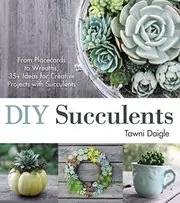
DIY Succulents
From Placecards to Wreaths, 35+ Ideas for Creative Projects with Succulents
For readers who want to make succulent decorations and gifts. Daigle puts project assembly at the center, though an attractive finished arrangement still needs suitable growing conditions and the book is less useful for broad plant identification.
What it's about
Tawni Daigle presents more than thirty-five succulent craft projects, including living wreaths, log planters, terrarium necklaces, and topiary balls. Photographs and step-by-step instructions cover choosing plants and containers, assembling arrangements, and caring for them as they grow.
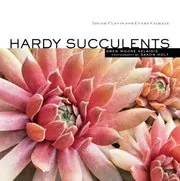
For gardeners exploring succulents beyond warm desert settings. Kelaidis makes hardiness and North American garden conditions central, though the title does not mean every featured plant will survive every climate or planting site.
What it's about
Gwen Moore Kelaidis explores hardy succulents suited to North American gardens, from agaves and ice plants to sedums and sempervivums. Growing instructions and photographs accompany advice on selecting varieties for different hardiness zones and incorporating them into flower beds.
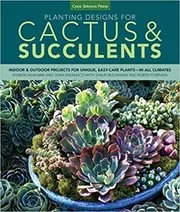
Planting Designs for Cactus & Succulents
Indoor & Outdoor Uses for Unique, Easy-Care Plants - In All Climates
For readers who enjoy turning plant collections into designed arrangements. The photographic projects bridge indoor decoration and outdoor display, though the project-led format provides less sustained botanical reference than a species-focused handbook.
What it's about
Sharon Asakawa and her collaborators combine cactus and succulent care with indoor and outdoor design projects. Photographic instructions show how to create terrariums, dish gardens, living pictures, centerpieces, and other arrangements, alongside guidance on selection and planting.
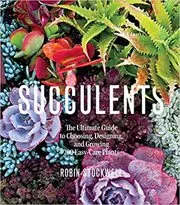
Succulents
The Ultimate Guide to Choosing, Designing, and Growing 200 Easy Care Plants
For gardeners who want a substantial plant selection alongside design inspiration. Stockwell connects care with containers and landscape uses, though the broad coverage is less concentrated than a book devoted specifically to agaves or hardy gardening.
What it's about
Robin Stockwell introduces two hundred succulents with guidance on cultivation and care. Photographs and step-by-step projects explore their use in garden designs, containers, vertical walls, and indoor arrangements, showing ways to combine plants with different forms and colors.
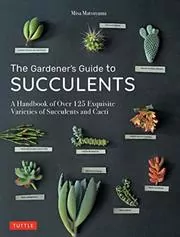
The Gardener's Guide to Succulents
A Handbook of Over 125 Exquisite Varieties of Succulents and Cacti
For readers who want a photographic reference they can browse while expanding a collection. Matsuyama combines plant characteristics with cultivation notes, though the selected varieties do not make it a comprehensive botanical identification system.
What it's about
Misa Matsuyama provides a photographic reference to more than 125 succulents and cacti from forty genera. Entries describe plant characteristics, growing conditions, and maintenance needs, alongside illustrated suggestions for indoor arrangements and group plantings.
The Little Book of Cacti and Other Succulents
For readers who prefer a compact introduction with individual plant portraits. Sibley makes browsing and comparison straightforward, though the small selection and concise care notes offer less troubleshooting depth than the larger cultivation guides.
What it's about
Emma Sibley profiles sixty cacti and other succulents, pairing photographs with details about growth, flowering, and care. A general maintenance section covers potting, watering, feeding, and common pests and diseases for readers starting or expanding a collection.
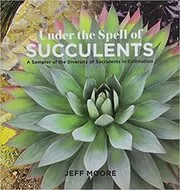
For readers who want to understand the appeal and variety of cultivated succulents. Moore’s photographs encourage exploration across plant groups and gardens, though the browsing experience offers less sequential instruction than a beginner’s manual.
What it's about
Nursery owner Jeff Moore introduces cultivated succulents through hundreds of photographs and reflections on the hobby. Discussions of collectors, growers, landscaping, and container gardens are interspersed with showcases of major genera, from aloes and agaves to cacti and kalanchoes.
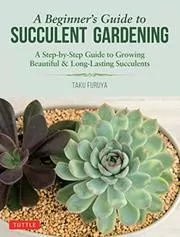
A Beginner's Guide to Succulent Gardening
A Step-by-Step Guide to Growing Beautiful & Long-Lasting Succulents
For new growers who prefer photographs, diagrams, and practical tasks. Furuya provides a visual route through everyday care, though the beginner focus and indoor emphasis offer less help with large outdoor landscape planning.
What it's about
Taku Furuya introduces succulent gardening through photographs, diagrams, and plant fact sheets. The guide covers choosing varieties, preparing soil, potting, watering, seasonal care, troubleshooting, trimming, and propagation, helping beginners understand the needs of their indoor plants.
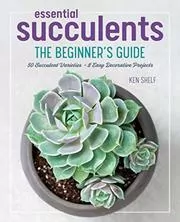
For beginners who want a manageable selection of plants and projects that build in difficulty. Shelf connects basic cultivation with arrangements, though the limited plant range makes this an introduction rather than an identification reference.
What it's about
Ken Shelf introduces fifty succulents with care guidance and arrangement ideas for beginners. Eight projects progress in difficulty, while discussions of light, soil, watering, containers, and outdoor planting connect cultivation basics with ways to design living displays.
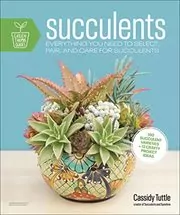
For beginners who want plant profiles, care notes, and decorative projects together. Tuttle gives selection and pairing a practical role, though the breadth makes it less detailed than a specialist reference devoted to one plant group.
What it's about
Cassidy Tuttle profiles one hundred succulents with photographs and details about care, hardiness, color, and pairing. Sixteen craft projects accompany advice on pots, repotting, and propagation, connecting plant selection with practical techniques for creating and maintaining displays.
Sources
- 1
12 Must Have Succulent Books: Best Reads For Any Level!
sublimesucculents.com
- 2
The Best Books for Succulent Enthusiasts
dallavita.com
- 3
Succulents Books
goodreads.com
- 4
Debra Lee Baldwin's Books on Succulent Design, Care, Varieties
debraleebaldwin.com
- 5
Library: Henry Shaw Cactus and Succulent Society
hscactus.org
- 6
11 Best Succulent Books Will Help You Grow Healthy Plants
simplysmartgardening.com






Edited by
Software engineer whose passion for tracking book recommendations from podcasts inspired the creation of MRB.
Lead investor at 3one4 Capital whose startup expertise and love for books helped shape MRB and its growth.
Comments
Spotted a missing book, a wrong order or a mistake? Tell us and we'll fix this page.
We're a reading guide, not the author or publisher, so we can't send books or pass on messages.