
Wastelands Books in Order
Part ofJohn Joseph Adams Books in OrderSee the Wastelands books by John Joseph Adams in order, with short summaries, series background, and help choosing where to begin this apocalypse series.
Last updated:
As an Amazon Associate, we earn from qualifying purchases (at no extra cost to you).
Wastelands books in publication order
3 books
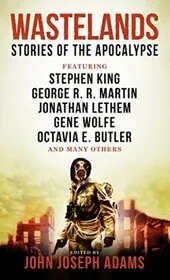
Wastelands
by John Joseph Adams
2007
This anthology gathers major post-apocalyptic stories from across the previous two decades and throws readers straight into life after collapse. The disasters differ, but the shared question is simple: what remains of humanity when the world has already ended.
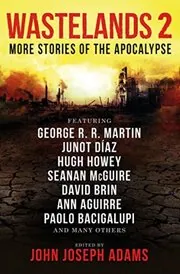
Wastelands 2
by John Joseph Adams
2015
This follow-up anthology returns to ruined worlds and near-future collapse through thirty post-apocalyptic stories. The disasters vary widely, but the book keeps its eye on survivors, hard choices, and the strange ways people rebuild meaning after catastrophe.
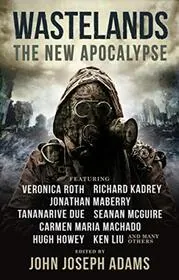
Wastelands: The New Apocalypse
by John Joseph Adams
2019
This third Wastelands anthology gathers original stories and recent reprints about surviving the end of the world. Pandemics, climate disaster, war, and stranger catastrophes all show up, but the real focus is how people keep going afterward.
Wastelands books in chronological order
Series background & context
The Wastelands books are anthology territory, not a continuing novel series. There is no one hero and no single timeline. What links the books is John Joseph Adams's love of post-apocalyptic fiction, and his sense that the subgenre is much bigger than any one disaster.
The first volume, Wastelands, gathers major short stories about life after collapse. Wastelands 2 widens the field with more post-apocalyptic fiction from a range of writers and approaches. Wastelands: The New Apocalypse carries the idea forward again, mixing newer work with original stories. Read together, the books feel like a running survey of how writers keep reimagining the end of the world, from older nuclear fears to newer anxieties about climate, pandemics, and failing institutions.
That variety is a big part of the appeal. One story may deal with nuclear ruin, another with plague, climate collapse, social breakdown, or some stranger cosmic problem. The scenery changes, but the real subject stays consistent: what happens to people after the systems they rely on are gone. Some characters scavenge. Some defend fragile communities. Some try to hold on to memory, ritual, or humor when almost everything else has been stripped away.
The wastes matter, but the human responses matter more.
Adams tends to choose stories that are not just about destruction. They are about adaptation. A blasted road, an abandoned town, or a poisoned landscape is only the starting condition. The deeper tension comes from what survivors owe each other, what parts of the old world are worth saving, and what ugly habits travel intact into the new one. That is why the series can feel grim without being empty.
Tone-wise, expect range inside a dark frame. There are brutal stories here, but also reflective ones, angry ones, and a few that find odd pockets of hope. Some pieces read like cautionary tales. Some feel like character studies set after history has already snapped. Others lean into action or dark wit. Because the books pull from many authors, you are always getting a new angle on the same broad question.
If you are curious about post-apocalyptic fiction as a mode rather than a single franchise, Wastelands is an easy place to dig in. The series gives you ruined cities, broken ecologies, and hard survival choices, but it also shows why the genre lasts. End-of-the-world stories are really stories about what people reveal when the world stops being comfortable. These books keep returning to that test, and they keep finding different answers.







Edited by
Software engineer whose passion for tracking book recommendations from podcasts inspired the creation of MRB.
Lead investor at 3one4 Capital whose startup expertise and love for books helped shape MRB and its growth.
Comments
Did we miss something? Have feedback?
Help us improve this page by sharing your thoughts