
The Dystopia Triptych (John Joseph Adams) Books in Order
Part ofJohn Joseph Adams Books in OrderSee The Dystopia Triptych by John Joseph Adams in order, with summaries, series background, and a quick guide to its before, during, and after arc.
Last updated:
As an Amazon Associate, we earn from qualifying purchases (at no extra cost to you).
The Dystopia Triptych (John Joseph Adams) books in publication order
3 books
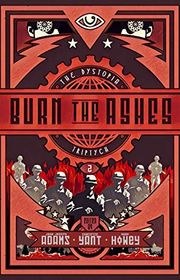
Burn the Ashes
by John Joseph Adams
2020
The middle Dystopia Triptych volume moves into life inside the nightmare, as returning writers revisit the worlds they set up in book one. The stories track survival, compromise, and resistance when collapse is no longer hypothetical.

Ignorance Is Strength
by John Joseph Adams
2020
This opening Dystopia Triptych volume looks at society before the break, when power twists language, truth, and public life. A lineup of linked stories follows the slide into authoritarian absurdity from many different angles.
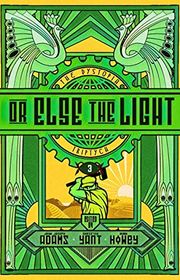
Or Else the Light
by John Joseph Adams
2020
This closing Dystopia Triptych volume follows a range of futures after the fall, as each writer brings their story to its final stage. Some endings lean toward ruin, some toward recovery, and many sit uneasily between the two.
The Dystopia Triptych (John Joseph Adams) books in chronological order
Series background & context
The Dystopia Triptych is not a single novel split into parts. It is a three-book anthology project, co-edited by John Joseph Adams, Christie Yant, and Hugh Howey, built around a sharp idea: what if a group of writers each told one story across three different stages of social collapse? The result sits somewhere between a themed anthology and a mosaic novel.
That structure is the hook. Ignorance is Strength looks at the world before the break, when propaganda, fear, bad faith, and creeping authoritarian habits are still hardening into something worse. Burn the Ashes steps into life inside the dystopia. Or Else the Light moves beyond the collapse and asks what recovery, compromise, or further ruin might look like.
So while there is no single hero, there is continuity. The same writers return in each volume and revisit the worlds and characters they introduced in book one. That gives you the variety of an anthology, but also the satisfaction of seeing ideas develop over time. Some pieces follow ordinary citizens caught in political madness. Others track officials, rebels, families, or survivors trying to decide what they will live with and what they will fight.
The settings shift from story to story, but the pressures feel related. Language is bent until it stops meaning what it should. Public life gets noisier and more dishonest. Institutions that ought to protect people become tools of control, neglect, or spectacle. By the second book, those pressures have become daily reality. By the third, the question is no longer how things fell apart, but what kind of people might emerge from the wreckage.
It is bleak, but not monotonous.
What keeps the series lively is that each contributor answers the same big prompt in a different register. Some stories are political and sharp-edged. Some are intimate and sad. Some lean toward action, others toward moral unease or a sliver of hope. Because every author handles all three stages, you also get to watch how one imagined future changes under stress, and whether its people harden, adapt, or surprise themselves.
If you like dystopian fiction for its social pressure rather than just its scenery, this series has a lot to offer. It is interested in censorship, propaganda, memory, fear, and the slow damage done when people stop trusting language or each other. But it also remembers that collapse is lived one choice at a time. That makes The Dystopia Triptych feel less like a gallery of grim futures and more like a conversation about how societies slide, how people survive, and whether any light is left at the end.




Edited by
Software engineer whose passion for tracking book recommendations from podcasts inspired the creation of MRB.
Lead investor at 3one4 Capital whose startup expertise and love for books helped shape MRB and its growth.
Comments
Did we miss something? Have feedback?
Help us improve this page by sharing your thoughts