
John Joseph Adams Books in Order
Explore John Joseph Adams books in order, with anthology overviews, series background, standout titles, and clear advice on where to start reading.
Last updated:
As an Amazon Associate, we earn from qualifying purchases (at no extra cost to you).
John Joseph Adams books in publication order
11 books
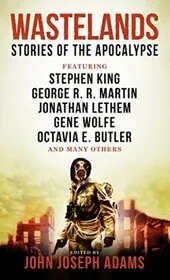
Wastelands
by John Joseph Adams
2007
This anthology gathers major post-apocalyptic stories from across the previous two decades and throws readers straight into life after collapse. The disasters differ, but the shared question is simple: what remains of humanity when the world has already ended.
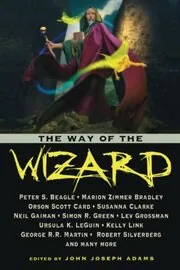
The Way of the Wizard
by John Joseph Adams
2010
This anthology rounds up stories of witches, warlocks, sorcerers, and other magic users across many settings and styles. It is a broad, playful tour of wizard fiction, from classic-feeling fantasy to stranger and more modern takes.
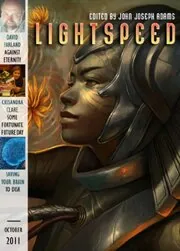
Lightspeed Magazine, October 2011
by John Joseph Adams
2011
This issue mixes science fiction and fantasy with stories by Adam-Troy Castro, Justina Robson, David Farland, and Cassandra Clare. It is a strong snapshot of Lightspeed's early blend of big ideas, strange futures, and emotionally sharp short fiction.
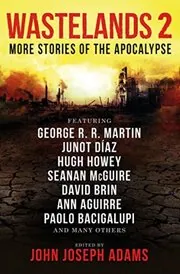
Wastelands 2
by John Joseph Adams
2015
This follow-up anthology returns to ruined worlds and near-future collapse through thirty post-apocalyptic stories. The disasters vary widely, but the book keeps its eye on survivors, hard choices, and the strange ways people rebuild meaning after catastrophe.
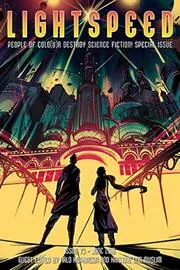
People of Color Destroy Science Fiction!
by John Joseph Adams
2016
This special issue of Lightspeed is entirely written and edited by people of color, bringing together original stories, flash fiction, essays, and classic reprints. It explores race, culture, history, and the many futures science fiction can hold.
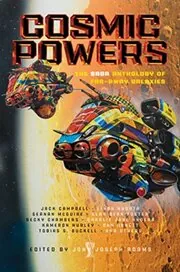
Cosmic Powers
by John Joseph Adams
2017
This anthology goes big on galaxy-spanning adventure, larger-than-life heroes, and the kind of science fiction powered by pure wonder. It is a lively collection for readers who want space opera energy without losing character or imagination.
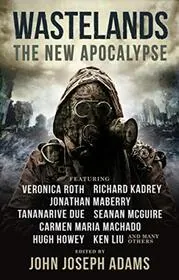
Wastelands: The New Apocalypse
by John Joseph Adams
2019
This third Wastelands anthology gathers original stories and recent reprints about surviving the end of the world. Pandemics, climate disaster, war, and stranger catastrophes all show up, but the real focus is how people keep going afterward.
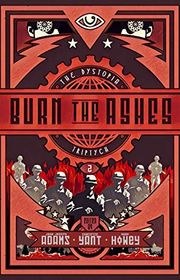
Burn the Ashes
by John Joseph Adams
2020
The middle Dystopia Triptych volume moves into life inside the nightmare, as returning writers revisit the worlds they set up in book one. The stories track survival, compromise, and resistance when collapse is no longer hypothetical.
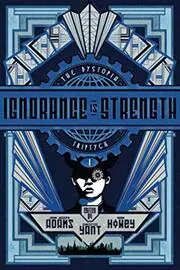
Ignorance Is Strength
by John Joseph Adams
2020
This opening Dystopia Triptych volume looks at society before the break, when power twists language, truth, and public life. A lineup of linked stories follows the slide into authoritarian absurdity from many different angles.
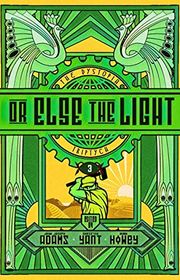
Or Else the Light
by John Joseph Adams
2020
This closing Dystopia Triptych volume follows a range of futures after the fall, as each writer brings their story to its final stage. Some endings lean toward ruin, some toward recovery, and many sit uneasily between the two.
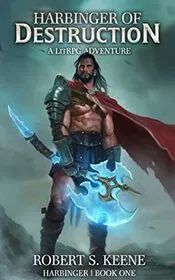
Harbinger of Destruction
by John Joseph Adams
2022
After players turn his town into monsters, a sentient non-player warrior named Hirrus hunts them across a game world that suddenly feels real. It is a revenge-driven LitRPG about agency, leveling up, and what happens when an NPC stops obeying the script.
Where to start with John Joseph Adams
If you want his signature post-apocalyptic anthologies: Wastelands → Wastelands 2 → Wastelands: The New Apocalypse
If you want a linked dystopian arc: Ignorance Is Strength → Burn the Ashes → Or Else the Light
If you want big, pulpy space adventure: Cosmic Powers
If you want fantasy and magic in short fiction: The Way of the Wizard
If you want a magazine sampler: People of Color Destroy Science Fiction! → Lightspeed Magazine, October 2011
John Joseph Adams sub-series and character series
The Dystopia Triptych (John Joseph Adams) books in order
Explore this seriesThe Dystopia Triptych (John Joseph Adams) books in chronological order
Standalone John Joseph Adams books
Author bio
John Joseph Adams was born in New Jersey and grew up mostly in Florida. He found science fiction and fantasy early, reading books like A Wrinkle in Time and The Hitchhiker's Guide to the Galaxy, but he did not think of himself as a full-on genre reader right away. He wandered off into other sections for a while, then circled back.
That return mattered. Adams has talked about moving from Robin Cook's medical thrillers to Michael Crichton, then on to Ben Bova and Robert J. Sawyer, and realizing that science fiction could be smart, tense, and very readable at the same time. He was not just looking for rockets and gadgets. He was looking for ideas that still felt like stories.
A game helped too.
He has said that Dungeons & Dragons lit the spark that pushed him toward trying to write, and that his interest in writing is what eventually led him to editing. After earning his English degree from the University of Central Florida in December 2000, he moved to New Jersey with a simple goal, get into science fiction and fantasy publishing. In 2001 he landed at The Magazine of Fantasy & Science Fiction as an editorial assistant, then worked his way up to assistant editor over nearly nine years.
That apprenticeship shaped almost everything that came after. Adams has credited editor Gordon Van Gelder with teaching him not just the mechanics of editing, but how the field works. He also started freelancing and pitching anthology ideas while still at the magazine, which gave him room to figure out what kind of editor he wanted to be.
His first major break came from not giving up on one good idea. He originally tried to sell an anthology of original post-apocalyptic fiction and could not place it. Instead of dropping the theme, he reworked it as a reprint anthology, and that became Wastelands. The book took off, and it opened the door to a long run of themed anthologies that showed how broad his taste really was.
That range is the fun of reading across Adams's work. Wastelands and its follow-ups lean into ruined futures, survival, and the strange lives people build after collapse. The Way of the Wizard gathers stories about magic users from many corners of fantasy. Cosmic Powers goes the other way and embraces big, energetic space adventure. Then there is People of Color Destroy Science Fiction!, a special issue that made room for a wider set of voices and experiences inside the genre.
He is also closely tied to the magazine side of speculative fiction. Adams left The Magazine of Fantasy & Science Fiction to edit Lightspeed, later took over Fantasy Magazine, and helped launch Nightmare. If you read a lot of short fiction, you have probably run into his editorial taste, fast-moving stories, strong concepts, and a willingness to let science fiction, fantasy, and horror overlap instead of sitting in neat little boxes.
He has won Hugo, Stoker, Locus, and British Fantasy awards, and he has been a many-time World Fantasy Award finalist. For five years he also ran the John Joseph Adams Books imprint at Houghton Mifflin Harcourt, extending his curatorial instincts from short fiction into novels.
He is still, very clearly, a short fiction person.
These days Adams has also been working as an editor and game designer on tabletop roleplaying projects for Kobold Press, Paizo, and Monte Cook Games. That move makes a lot of sense. His career has always been about building worlds, finding good voices, and figuring out what happens when people are put under pressure. He just happens to do it one story, one anthology, and sometimes one game book at a time.






Edited by
Software engineer whose passion for tracking book recommendations from podcasts inspired the creation of MRB.
Lead investor at 3one4 Capital whose startup expertise and love for books helped shape MRB and its growth.
Comments
Did we miss something? Have feedback?
Help us improve this page by sharing your thoughts