
Two Years Holiday Books in Order
Part ofJules Verne Books in OrderSee the Two Years Holiday books by Jules Verne in order, with summaries, series background, and guidance on the different editions.
Last updated:
As an Amazon Associate, we earn from qualifying purchases (at no extra cost to you).
Two Years Holiday books in publication order
2 books
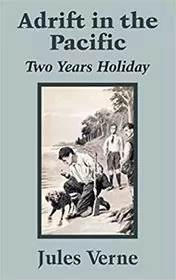
Adrift in the Pacific
by Jules Verne
1888
This edition of *Two Years' Vacation* follows shipwrecked boys learning to govern themselves on a remote island. Survival skills matter, but so do pride, fairness, and the question of who gets to lead.
Second Year Ashore
by Jules Verne
1940
As the boys' island exile stretches on, daily survival is no longer enough. Leadership struggles, dwindling certainty, and human enemies make the second year the true test of their little society.
Two Years Holiday books in chronological order
Series background & context
The Two Years' Vacation books take one of Jules Verne's favorite setups, the castaway story, and hand it over to children. The result is part survival tale, part group drama, and part experiment in what happens when boys have to build rules, routines, and leadership for themselves far from any adult rescue.
The stranded crew is made up of schoolboys.
A pleasure trip goes wrong, the schooner drifts out to sea, and a mixed group of boys ends up marooned on an island in the South Pacific. They are not all the same age, nationality, or temperament, and that matters almost immediately. Some are practical, some proud, some brave, some foolish, and some simply too young to carry much weight. Verne uses those differences to create the real tension of the series.
Survival is only half the story. Yes, the boys must find food, shelter, fresh water, and a way to map and understand the island. They hunt, build, explore, and improvise. But they also have to decide how to live together. Rivalries flare, especially around leadership, and the question of who deserves trust becomes just as important as any storm or accident. That gives the books more social texture than a straightforward adventure would have.
The island itself is classic Verne ground. It is remote enough to feel exciting, practical enough to be worked on, and dangerous enough to keep complacency away. The boys' growing knowledge of the place becomes part of their coming-of-age. The more they learn, the more they become something other than passengers. They become a community, even if a fragile one.
Later, outside human danger raises the stakes again, and the series shifts from boyhood resourcefulness into a more openly dramatic contest. That change works well because by then the island already feels lived in. The threat is not just to bodies but to the rough little society the boys have made.
Readers who like The Mysterious Island but want a younger cast will feel at home here. The appeal is not gadgets or grand speculative science. It is endurance, teamwork, pride, and the messy business of growing up under pressure. Verne clearly enjoys showing what children can do when adults are gone, but he is careful not to pretend it is easy. That balance is what gives the series its staying power.











Edited by
Software engineer whose passion for tracking book recommendations from podcasts inspired the creation of MRB.
Lead investor at 3one4 Capital whose startup expertise and love for books helped shape MRB and its growth.
Comments
Did we miss something? Have feedback?
Help us improve this page by sharing your thoughts