
9 Best Jules Verne Books
The best Jules Verne books, ranked by how many expert sources recommend each one, with notes on who each suits and where to begin his adventure novels.
Our take
Jules Verne's novels turn curiosity about the world into adventures through oceans, remote landscapes, and imagined technologies. Some are travel stories driven by deadlines or danger. Others pause over geography, machinery, or the practical work of survival. Readers who enjoy those details will find a different rhythm from a modern action thriller.
Around the World in Eighty Days is a welcoming first choice for its humor and clear momentum. Journey to the Center of the Earth offers an expedition into an imagined landscape, while 20,000 Leagues Under the Sea combines underwater discovery with Captain Nemo's mysteries. The Mysterious Island rewards readers who enjoy prolonged problem-solving and works best after the submarine novel. For space travel, read From the Earth to the Moon before Around the Moon. Most of these adventures stand alone, so start with the setting that interests you and check that your chosen edition is complete.
9 books · 7 sources · Last updated
As an Amazon Associate, we earn from qualifying purchases (at no extra cost to you).
Reading Jules Verne in order? See all Jules Verne books in order
How to choose from this list
Skip to the full rankingIf you're reading Verne for the first time: Around the World in Eighty Days
If you want strange landscapes: Journey to the Center of the Earth
If you want connected exploration adventures: 20,000 Leagues Under the Sea → The Mysterious Island
If you want early space fiction: From the Earth to the Moon → Around the Moon
If you prefer an adventure without futuristic machinery: Michael Strogoff
The 9 books, ranked
Ranked by how many expert sources name each book. Ties go to the book more people recommend.
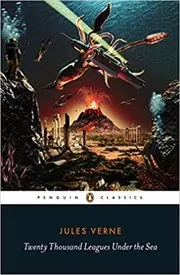
For readers who want imaginative machinery, underwater exploration, and an enigmatic central figure. It offers a richer atmosphere of scientific discovery than Around the World in Eighty Days, though extended descriptions of marine life slow the action.
What it's about
Professor Aronnax, Conseil, and Ned Land expect to hunt a sea monster and end up prisoners aboard Captain Nemo's submarine, the Nautilus. Their underwater journey mixes awe, danger, and the mystery of the man who commands the depths.
Also recommended by
2 people Richard Branson recommended this book
Richard Branson
Richard Branson recommended this book on his "70 must-read books" blog post.
Richard Branson's recommendation of this book  Alan Kay recommended this book
Alan Kay
"A formative book in so many ways." - Alan Kay
Alan Kay's recommendation of this book
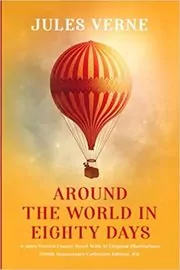
For newcomers who want a clear goal, humor, and a journey that keeps moving. Its race against time is easier to enter than Verne's more technical adventures, though its portraits of other cultures reflect nineteenth-century assumptions.
What it's about
Phileas Fogg bets that he can circle the globe in eighty days, then sets off with Passepartout and a timetable. Trains, steamers, mishaps, and a detective on his heels make the race irresistible.

For readers drawn to strange landscapes and the excitement of exploration. Its small traveling party makes an accessible introduction to Verne's speculative adventures, though the imagined geology belongs to fiction rather than modern science.
What it's about
Professor Lidenbrock, his wary nephew Axel, and guide Hans descend through an Icelandic volcano in search of the Earth's hidden interior. What they find is a subterranean world of ancient wonders and real danger.
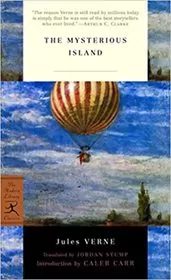
For readers who enjoy patient survival stories built around practical ingenuity. Its detailed problem-solving offers more sustained immersion than Around the World in Eighty Days, though its length and connections to earlier novels reward some preparation.
What it's about
A group of Civil War escapees lands on a remote island and survives through ingenuity, labor, and careful planning. Then unexplained rescues suggest that someone, somewhere nearby, is watching over them.
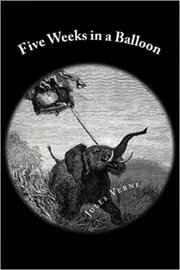
For readers curious about the beginning of Verne's adventure writing. Its balloon travel highlights improvisation and geographical curiosity, though its colonial perspective and depictions of African people require a more critical reading today.
What it's about
Dr. Samuel Fergusson crosses Africa in a hydrogen balloon with his servant Joe and hunter Richard Kennedy. It is an early Verne adventure full of exploration, improvisation, and sky-high travel over unknown ground.

For readers interested in engineering dreams and satire about technological ambition. Its calculations and preparations distinguish it from Verne's travel adventures, though the journey continues in Around the Moon rather than concluding here.
What it's about
The Baltimore Gun Club decides that postwar boredom can be solved with a giant cannon aimed at the Moon. Verne turns big engineering dreams into a brisk, funny, and surprisingly detailed lunar prelude.
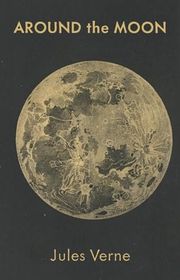
Around the Moon
For readers who have finished From the Earth to the Moon and want the voyage itself. It completes that reading experience with observation and debate, though the scientific discussion can outweigh character development and physical action.
What it's about
The travelers launched in From the Earth to the Moon continue their journey inside a projectile. As they observe the lunar landscape and face uncertainties about their course, they must consider whether they can return safely to Earth.
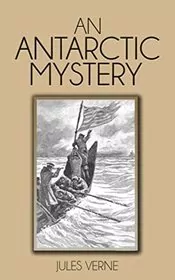
An Antarctic Mystery
For readers who know Poe's Arthur Gordon Pym and want to explore Verne's response. Its literary connection gives the polar voyage a different purpose, though it is less welcoming as a first encounter with Verne.
What it's about
Jeorling boards the Halbrane expecting passage home, but Captain Len Guy seeks survivors of an earlier Antarctic expedition. Their southward voyage continues Edgar Allan Poe's Arthur Gordon Pym story, confronting the crew with ice, uncertainty, and hidden dangers.

Michael Strogoff
For readers who prefer a dangerous mission to speculative technology. Its emphasis on courage, pursuit, and endurance shows another side of Verne, though the political and cultural setting reflects the outlook of its period.
What it's about
A courier must cross Siberia to deliver a vital message to the czar's brother during an uprising. Traveling under an assumed identity, Michael Strogoff faces hostile forces, difficult terrain, and the constant risk of discovery.
Sources
- 1
10 of the Best Jules Verne Books
bookanalysis.com
- 2
The greatest books written by Jules Verne
thegreatestbooks.org
- 3
The Best Jules Verne Books of All Time
ranker.com
- 4
Best Works of Jules Verne
goodreads.com
- 5
Which Jules Verne book should I read first? I have the following options:
reddit.com
- 6
Which are your favorite Jules Verne books?
reddit.com
- 7
Libros de Julio Verne: las mejores novelas y por cuál empezar
lectores.app








Edited by
Software engineer whose passion for tracking book recommendations from podcasts inspired the creation of MRB.
Lead investor at 3one4 Capital whose startup expertise and love for books helped shape MRB and its growth.
Comments
Spotted a missing book, a wrong order or a mistake? Tell us and we'll fix this page.
We're a reading guide, not the author or publisher, so we can't send books or pass on messages.