
Three Cities Books in Order
Part ofÉmile Zola Books in OrderDiscover Émile Zola's Three Cities trilogy in order, with plot summaries, background on Pierre Froment's journey, and guidance on how to read the books.
Last updated:
As an Amazon Associate, we earn from qualifying purchases (at no extra cost to you).
Three Cities books in publication order
3 books
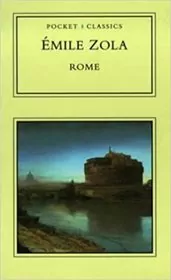
Rome
by Émile Zola
1896
Disillusioned priest Pierre Froment travels to Rome to defend his controversial book and plead for a more compassionate Church. As he moves through palaces, basilicas, and slums, he confronts intrigue, doctrinal battles, and his own shifting faith.
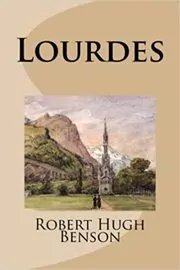
Lourdes
by Émile Zola
1914
On a crowded white train of sick pilgrims bound for Lourdes, Abbé Pierre Froment tends his childhood friend Marie, paralyzed and near despair. Over five days he witnesses crippling pain, ecstatic hope, and the uneasy border between faith and illusion.
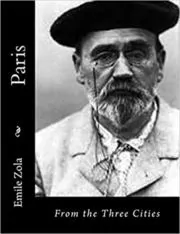
Paris
by Émile Zola
2014
Back in Paris, Abbé Pierre Froment faces a city seething with poverty, luxury, and political unrest. As anarchists plot, clerics maneuver, and charities struggle, he tries to imagine a future France built on social justice rather than miracles.
Three Cities books in chronological order
Series background & context
The Three Cities trilogy follows one character, Abbé Pierre Froment, through three great Catholic cities at the end of the nineteenth century. Together Lourdes, Rome, and Paris trace his long wrestling match with faith, doubt, and the modern world.
In Lourdes Pierre boards a special “white train” packed with sick pilgrims travelling from Paris to the famous shrine in the Pyrenees. Among the patients is Marie, a childhood friend who now lies paralyzed on a stretcher. Over five intense days Zola shows the crush of crowds, the exhausting rituals, and the raw mix of hope and desperation as families pin their last chances on a miracle. Pierre listens, prays, and observes, torn between compassion for suffering people and his unease with easy claims of the supernatural.
Rome sends him south to the Eternal City to defend a book he has written about the Church. The novel becomes part travel account, part study of Vatican politics. Pierre moves between basilicas, aristocratic drawing rooms, and poor districts on the city’s edge. He meets cardinals who dream of a renewed, socially engaged Catholicism, and others who cling to every detail of old authority. The city itself, layered with ruins and new buildings, mirrors those arguments.
By the time the story reaches Paris, Pierre has left the priesthood but not his hunger for some larger meaning. Back in the capital he encounters a society pulled apart by inequality, radical politics, and clashing visions of progress. Zola takes him into charitable works, workers’ meetings, bourgeois salons, and anarchist circles, showing a city where enthusiasm for science and industry sits beside deep misery.
Taken together, the Three Cities books are less about dogma than about the ways people look for consolation and justice. Zola does not caricature believers, but he is frank about fraud, self deception, and the temptation to use religion as a shield against social change. At the same time he lets his characters grope toward more practical forms of hope: education, fairer work, cleaner cities, and a sense of shared responsibility.
Readers who like big, discursive novels with travel, argument, and a large cast tend to enjoy this trilogy. It rewards being read in order, since Pierre’s inner journey matters as much as the events around him, and each city leaves a different mark on his understanding of what a modern, humane faith might require.







Edited by
Software engineer whose passion for tracking book recommendations from podcasts inspired the creation of MRB.
Lead investor at 3one4 Capital whose startup expertise and love for books helped shape MRB and its growth.
Comments
Did we miss something? Have feedback?
Help us improve this page by sharing your thoughts