
Thomas Burnett Swann Books in Order
Browse Thomas Burnett Swann books in order, with quick summaries, guides to the Latium and Minotaur trilogies, and help choosing where to start.
Last updated:
As an Amazon Associate, we earn from qualifying purchases (at no extra cost to you).
Thomas Burnett Swann books in publication order
23 books
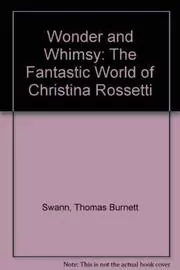
Wonder and Whimsy
by Thomas Burnett Swann
1960
Swann's early critical study reads Christina Rossetti with an eye for fantasy, fairy tale, and the eerie beauty of her imagination. It shows the literary interests that later fed his own fiction.
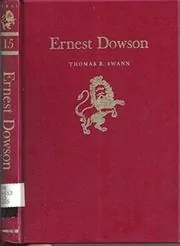
Ernest Dowson
by Thomas Burnett Swann
1964
A compact study of the Decadent poet, covering Dowson's life, poems, prose, and literary circle. Swann writes as a careful critic with a poet's sympathy for mood, music, and atmosphere.
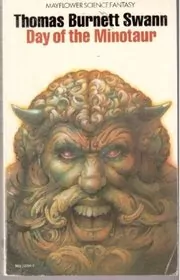
Day of the Minotaur
by Thomas Burnett Swann
1966
In Mycenaean Crete, royal siblings Thea and Icarus flee into the Country of the Beasts during war. There they meet Eunostos, the last minotaur, as human violence closes in on his hidden world.

The Dolphin and the Deep
by Thomas Burnett Swann
1966
A trio of long stories set in Swann's favorite half-remembered pasts. Expect quests, mythic creatures, and human travelers brushing against older races that history has nearly erased.
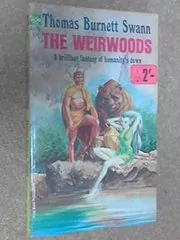
The Weirwoods
by Thomas Burnett Swann
1967
Near the Etruscan city of Sutrium, nobleman Lars Velcha kidnaps a water sprite and sets disaster in motion. A minstrel, a young girl, and the forest folk are drawn into a war between city pride and wild magic.
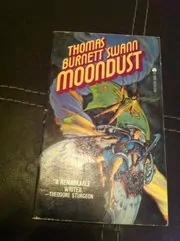
Moondust
by Thomas Burnett Swann
1968
Swann reimagines the fall of Jericho through Rahab, here recast as a changeling with a hidden past. A refugee from Crete and the city's secret peoples pull the biblical tale into stranger, sadder territory.
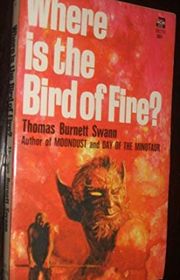
Where is the Bird of Fire?
by Thomas Burnett Swann
1970
This collection gathers three mythic tales, including Swann's Hugo-nominated retelling of Romulus and Remus through the eyes of the faun Sylvan. It is a strong entry point for his shorter work.
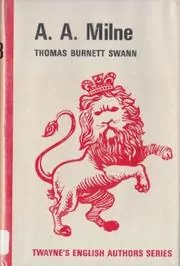
A.A. Milne
by Thomas Burnett Swann
1971
Swann looks past Winnie-the-Pooh alone to Milne's wider body of plays, essays, verse, and children's books. It is a short literary study by a critic who clearly cared about innocence, humor, and fantasy.
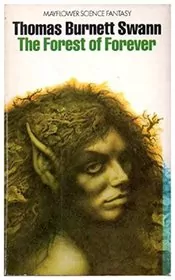
The Forest of Forever
by Thomas Burnett Swann
1971
This prequel follows Eunostos before Day of the Minotaur, with dryads, bee-people, and a fragile peace in the Beast forest. His love for Kora and friendship with the human prince Aeacus test that peace from within.
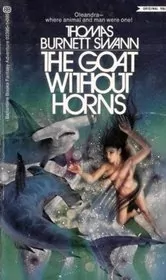
The Goat Without Horns
by Thomas Burnett Swann
1971
Charlie Sorley, a grieving young Englishman, escapes to a Caribbean island where dolphins, old magic, and strange loyalties reshape his life. Swann turns a gothic setup into a queer, uncanny tale of belonging.
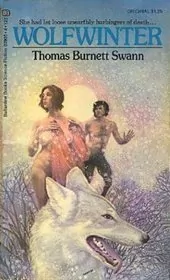
Wolfwinter
by Thomas Burnett Swann
1971
On ancient Lesbos, Erinna's life changes after a spring festival and a dangerous love. Part coming-of-age tale and part mythic struggle, it mixes Sappho's world with fauns, wolves, and dark prophecy.
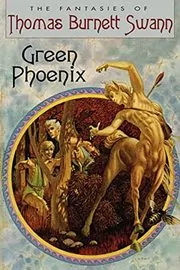
Green Phoenix
by Thomas Burnett Swann
1972
Dryad Mellonia and her queen Volumna swear Aeneas must die when his Trojans reach the forests of Latium. But as Mellonia meets Aeneas and young Ascanius, loyalty, desire, and the future of the old races grow tangled.
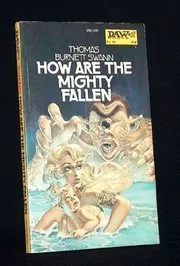
How Are the Mighty Fallen
by Thomas Burnett Swann
1974
David and Jonathan's bond stands at the center of this bold retelling of the biblical story. Swann folds in sirens, cyclopes, and old gods to make their love and danger feel newly mythic.
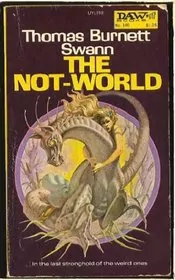
The Not-World
by Thomas Burnett Swann
1975
In Georgian England, Deirdre and sailor Dylan are drawn into a surviving pocket of fairyland near Bristol. Balloon flight, Thomas Chatterton, and lurking night creatures turn their courtship into an adventure beyond ordinary reality.
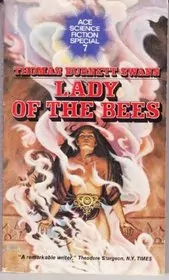
Lady of the Bees
by Thomas Burnett Swann
1976
Centuries later, the immortal dryad Mellonia lives almost alone as Latium hardens into human rule. When gentle Remus seeks her help for dying hives, love and the founding myths of Rome collide.
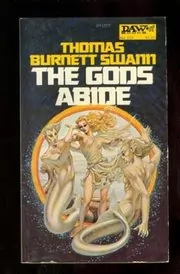
The Gods Abide
by Thomas Burnett Swann
1976
In Roman Britain and the Celtic world beyond it, the remaining old gods and prehuman peoples face a new religious order. Two young defenders are pulled into a last, desperate search for refuge and meaning.
The Minikins of Yam
by Thomas Burnett Swann
1976
Young Pharaoh Pepy II slips out in disguise to help the poor, while Harkhuf journeys toward the land of Yam. Their paths cross minikins, demons, and palace intrigue in Swann's mythic version of Old Kingdom Egypt.
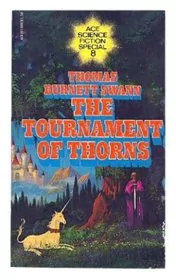
The Tournament of Thorns
by Thomas Burnett Swann
1976
A fix-up novel built around The Manor of Roses and The Stalking Trees. Swann blends crusading England, mandrakes, and haunted woodlands into a tale about love, faith, and the battered remnants of the old folk.
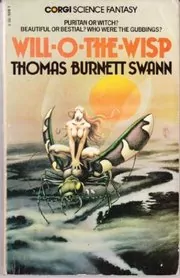
Will-o-the-Wisp
by Thomas Burnett Swann
1976
Poet Robert Herrick becomes vicar in a Devon parish shadowed by moorland folklore and the secretive Gubbings. What begins like village mystery slowly opens into a stranger struggle between Christian order and older beings.
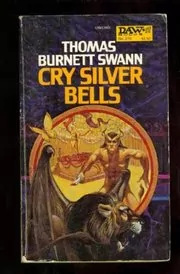
Cry Silver Bells
by Thomas Burnett Swann
1977
Two young exiles stumble into Crete's forbidden Beast country and meet Silver Bells, last of an older minotaur line. What starts as adventure becomes a rescue tale charged with love, jealousy, and looming loss.
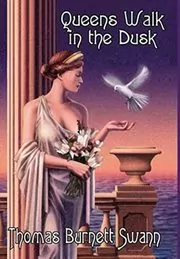
Queens Walk in the Dusk
by Thomas Burnett Swann
1977
A mythic retelling of Aeneas and Dido, seen through the people gathered around them in Carthage. Swann turns the old legend into an intimate story of love, politics, and older magic pressing against fate.
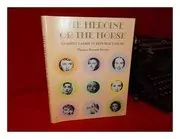
The Heroine Or The Horse
by Thomas Burnett Swann
1977
A nonfiction sidestep from fantasy, this book surveys the actresses who worked in Republic Pictures films. Swann mixes studio history, star portraits, and affection for old Hollywood's B-movie world.

Driftwood
by Thomas Burnett Swann
2011
Swann's first poetry collection gathers early lyrical poems and small whimsical pieces. You can already hear the wistful, playful imagination that later shaped his fantasy fiction.
Where to start with Thomas Burnett Swann
If you want the core Minotaur story: Cry Silver Bells → The Forest of Forever → Day of the Minotaur
If you want Swann's early Rome cycle: Queens Walk in the Dusk → Green Phoenix → Lady of the Bees
If you want myth and history as standalones: The Weirwoods → Wolfwinter → The Gods Abide
If you want biblical fantasy with a darker edge: Moondust → How Are the Mighty Fallen
Thomas Burnett Swann sub-series and character series
The Minotaur Trilogy books in order
Explore this seriesThe Minotaur Trilogy books in chronological order
Thomas Burnett Swann collections, short stories, and related book types
Non-Fiction
Collections
Standalone Thomas Burnett Swann books
Author bio
Thomas Burnett Swann was born in Tampa, Florida, on October 12, 1928. He grew up in Florida in a well-off family, but the writers who seem to have mattered most to him pulled his imagination somewhere older and stranger: myth, childhood, poetry, and lost worlds. As a young reader he loved Edgar Rice Burroughs, and he cared especially deeply about A. A. Milne, whose mix of innocence, melancholy, and play stayed with him.
He studied at Duke University, earned his bachelor's degree in 1950, and then served in the U.S. Navy during the Korean War. Even then, he was writing. His first poetry collection, Driftwood, appeared in 1952, years before his fantasy novels began to find their audience.
After the Navy, Swann kept going as a scholar. He earned a master's degree from the University of Tennessee and a Ph.D. from the University of Florida, then taught English at colleges in the South, including Florida Southern College, Wesleyan College in Georgia, and Florida Atlantic University. He also wrote criticism on writers he loved, including Christina Rossetti, H.D., Ernest Dowson, and A. A. Milne.
Then fiction took over.
Swann began publishing stories in 1958, and his shorter work appeared in genre magazines in both Britain and the United States. His first novel, Day of the Minotaur, came out in 1966 and quickly showed what he was after: not modern epic fantasy, but slim, myth-heavy books set in half-remembered versions of the ancient world, where dryads, minotaurs, fauns, sirens, and other older peoples are trying to survive the rise of human kingdoms.
Books like The Weirwoods, Green Phoenix, Wolfwinter, Lady of the Bees, and How Are the Mighty Fallen kept building that world. Readers tend to come to Swann for the same mix every time: classical myth bent sideways, historical settings that feel lived in, queer undercurrents or openly queer love, and a steady sadness about what civilization destroys when it calls itself progress. Forests, islands, ruined borderlands, and young people caught at the edge of change turn up again and again.
He was not writing doorstoppers. He wrote quick, intense novels that feel closer to fables, romances, and lost chronicles. Even when he borrowed famous figures like Aeneas, Dido, David, Jonathan, or Sappho, he pulled them back down to human scale and let the strange beings at the edge of legend step into the center.
His work was noticed in his lifetime. Day of the Minotaur, Where Is the Bird of Fire?, and The Manor of Roses were Hugo finalists, and several novels were nominated for the Mythopoeic Fantasy Award. By the end of the 1960s he had left teaching to write full time, which helps explain how many books he produced in such a short run.
Short run is the sad part.
Swann died of cancer on May 5, 1976, at just forty-seven, in Winter Haven, Florida, and several novels appeared after his death. That early ending gives his fiction an added ache now, but the books do not feel uncertain about what they love. They feel very sure of it: old gods, poets, outcasts, dangerous beauty, and the fragile places where tenderness survives.








Edited by
Software engineer whose passion for tracking book recommendations from podcasts inspired the creation of MRB.
Lead investor at 3one4 Capital whose startup expertise and love for books helped shape MRB and its growth.
Comments
Did we miss something? Have feedback?
Help us improve this page by sharing your thoughts