
The Minotaur Trilogy Books in Order
Part ofThomas Burnett Swann Books in OrderFollow The Minotaur Trilogy by Thomas Burnett Swann in order, with summaries, reading-order notes, series background, and easy where-to-start guidance.
Last updated:
As an Amazon Associate, we earn from qualifying purchases (at no extra cost to you).
The Minotaur Trilogy books in publication order
3 books
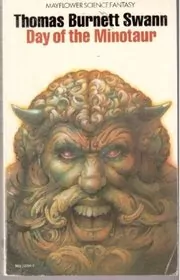
Day of the Minotaur
by Thomas Burnett Swann
1966
In Mycenaean Crete, royal siblings Thea and Icarus flee into the Country of the Beasts during war. There they meet Eunostos, the last minotaur, as human violence closes in on his hidden world.
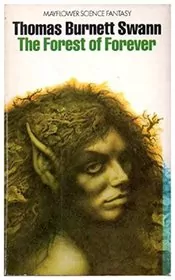
The Forest of Forever
by Thomas Burnett Swann
1971
This prequel follows Eunostos before Day of the Minotaur, with dryads, bee-people, and a fragile peace in the Beast forest. His love for Kora and friendship with the human prince Aeacus test that peace from within.
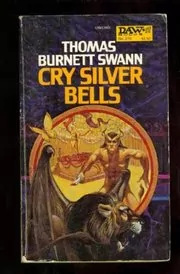
Cry Silver Bells
by Thomas Burnett Swann
1977
Two young exiles stumble into Crete's forbidden Beast country and meet Silver Bells, last of an older minotaur line. What starts as adventure becomes a rescue tale charged with love, jealousy, and looming loss.
The Minotaur Trilogy books in chronological order
Series background & context
The Minotaur books are set in a mythic Crete, where the human courts and harbors of the Bronze Age sit beside the hidden Country of the Beasts. In that secluded world live minotaurs, dryads, centaurs, tritons, bee folk, and other beings that later ages will dismiss as legend. Swann treats them not as monsters to be slain, but as a people trying to hang on while history closes around them.
The trilogy's recurring figures give it a warm, lived-in feeling. Silver Bells belongs to an older generation of minotaurs. Eunostos, who becomes central in The Forest of Forever and Day of the Minotaur, is younger, gentler, and painfully aware that his kind may be vanishing. Around them move the dryad Zoe, the dryad Kora, the Cretan prince Aeacus, and later the royal siblings Thea and Icarus. The books work because these relationships matter as much as the larger mythic setting.
The real enemy is not one monster. It is the slow reach of human war.
Across the trilogy, the Beasts try to survive through pacts, secrecy, friendship, and the hope that one hidden valley or forest may remain untouched. But raids, slavery, courts, arenas, and old grudges keep breaking that hope apart. Swann returns again and again to the same question: can the human world and the Beast world share a future, or is one fated to crush the other simply by expanding?
The tone is adventurous, tender, and melancholy all at once. There are escapes, rescues, journeys, and battles, but Swann is just as interested in jealousy, courtship, exile, and the odd daily life of a forest full of intelligent nonhumans. That is why the trilogy often feels more intimate than its setting suggests. Even at its biggest, it stays close to private loyalties and hurts.
One useful thing to know is that the books were published in the opposite order from the story's internal timeline. Publication begins with Day of the Minotaur, continues with The Forest of Forever, and ends with the posthumous Cry Silver Bells. If you want the chronological order inside the story world, read Cry Silver Bells first, then The Forest of Forever, and then Day of the Minotaur. Either way, the books fit together like overlapping chronicles of the same fading age.
If you want Swann at his clearest, this is a very good place to start. The trilogy has his favorite material in full view: ancient myth, vulnerable outsiders, bittersweet love, and the sense that magic survives only in places history has almost reached.










Edited by
Software engineer whose passion for tracking book recommendations from podcasts inspired the creation of MRB.
Lead investor at 3one4 Capital whose startup expertise and love for books helped shape MRB and its growth.
Comments
Did we miss something? Have feedback?
Help us improve this page by sharing your thoughts