
The Latium Trilogy Books in Order
Part ofThomas Burnett Swann Books in OrderSee the Latium Trilogy by Thomas Burnett Swann in order, with summaries, reading order, series background, and help choosing the best place to begin.
Last updated:
As an Amazon Associate, we earn from qualifying purchases (at no extra cost to you).
The Latium Trilogy books in publication order
3 books
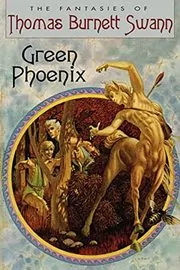
Green Phoenix
by Thomas Burnett Swann
1972
Dryad Mellonia and her queen Volumna swear Aeneas must die when his Trojans reach the forests of Latium. But as Mellonia meets Aeneas and young Ascanius, loyalty, desire, and the future of the old races grow tangled.

Lady of the Bees
by Thomas Burnett Swann
1976
Centuries later, the immortal dryad Mellonia lives almost alone as Latium hardens into human rule. When gentle Remus seeks her help for dying hives, love and the founding myths of Rome collide.

Queens Walk in the Dusk
by Thomas Burnett Swann
1977
A mythic retelling of Aeneas and Dido, seen through the people gathered around them in Carthage. Swann turns the old legend into an intimate story of love, politics, and older magic pressing against fate.
The Latium Trilogy books in chronological order
Series background & context
The Latium books take place in a mythic version of early Italy, in the long stretch between the fall of Troy and the founding legends of Rome. Swann is working with familiar names, Aeneas, Dido, Ascanius, Remus, Romulus, but he folds them into a world where dryads, fauns, bee spirits, and other prehuman peoples still live in the woods and fields beside mankind.
The emotional center of the trilogy is Mellonia. She is an ageless dryad, later known as the Lady of the Bees, and her long life lets Swann show how one landscape changes over generations. In Queens Walk in the Dusk, the story brushes against the tragedy of Aeneas and Dido. In Green Phoenix, Aeneas and his son Ascanius arrive in Latium and collide with the hidden people of the Wanderwood. In Lady of the Bees, the action has moved forward again, and Mellonia finds herself caught up in the lives of Remus, Romulus, and the hardening politics of the human world.
This is a series about what city building looks like from the forest.
That is what makes these books feel different from a straight retelling of Roman myth. Swann is not only interested in kings, founders, and battles. He keeps asking what happens to everyone already living there when a hero lands on shore, raises walls, names a kingdom, or starts a new line. The tension in these books comes from love across boundaries, oaths that turn sour, human ambition, and the slow pressure civilization puts on creatures who do not live by its rules.
The tone is romantic and melancholy, but not stiff. There are battles and court intrigues, yet the books are usually at their best in smaller moments: a walk in a grove, a conversation beside a river, a creature trying to decide whether a human can be trusted. Mellonia is especially important because she is never just a symbol of nature. She remembers, chooses, desires, misjudges, and suffers. That makes the larger theme, the passing of the old world, feel personal instead of abstract.
Readers should also know that the trilogy's story order and publication order are not quite the same. If you want the internal chronology, start with Queens Walk in the Dusk, then move to Green Phoenix, and finish with Lady of the Bees. Read that way, the series feels like a linked history of Latium itself, from Trojan exile to the first Roman generation, with Mellonia as the thread holding it together.
If you like myth retellings but want something stranger, sadder, and more intimate than a standard sword-and-sandal epic, this is where Swann really shows his hand.












Edited by
Software engineer whose passion for tracking book recommendations from podcasts inspired the creation of MRB.
Lead investor at 3one4 Capital whose startup expertise and love for books helped shape MRB and its growth.
Comments
Did we miss something? Have feedback?
Help us improve this page by sharing your thoughts