
The Letters of Virginia Woolf Books in Order
Part ofVirginia Woolf Books in OrderBrowse The Letters of Virginia Woolf books in order by Virginia Woolf, with volume ranges, short notes, series background, and help finding a good place to start.
Last updated:
As an Amazon Associate, we earn from qualifying purchases (at no extra cost to you).
The Letters of Virginia Woolf books in publication order
6 books
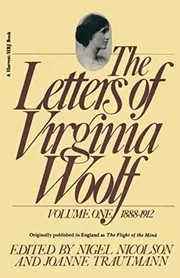
The Letters of Virginia Woolf, Vol. 1
by Virginia Woolf
1975
These early letters run from childhood in 1888 to the eve of Woolf's marriage in 1912. They show a young writer growing more observant, funny, and sure of her own voice.
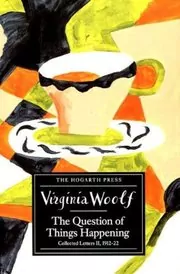
The Letters of Virginia Woolf, Vol. 2
by Virginia Woolf
1976
Volume Two covers 1912 to 1922, from Woolf's marriage to Leonard through war, early novels, and the first years of the Hogarth Press. It shows a life settling, changing, and finding purpose.
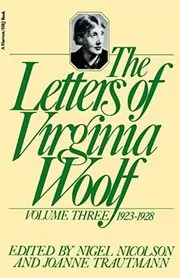
The Letters of Virginia Woolf, Vol. 3
by Virginia Woolf
1977
These letters from 1923 to 1928 catch Woolf in the middle of her great run of modernist fiction. The tone is lively and various, with work, friendship, flirtation, and literary confidence all in motion.
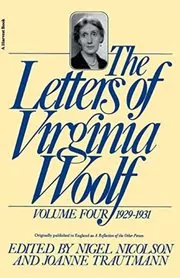
The Letters of Virginia Woolf, Vol. 4
by Virginia Woolf
1978
From 1929 to 1931, Woolf's letters move between literary fame, daily routine, and private feeling. They sit beside *A Room of One's Own* and *The Waves*, showing the social life around the work.
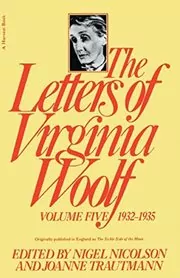
The Letters of Virginia Woolf, Vol. 5
by Virginia Woolf
1979
These letters from 1932 to 1935 capture Woolf in her early fifties, balancing work, friendships, and loss. The volume moves through the making of *The Years* and the effort of writing about Roger Fry.
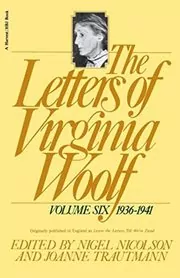
The Letters of Virginia Woolf, Vol. 6
by Virginia Woolf
1980
The final letters, from 1936 to 1941, are vivid, busy, and increasingly shadowed by war. They show Woolf still deeply engaged with friends, work, and publishing even as strain gathers around her.
The Letters of Virginia Woolf books in chronological order
Series background & context
The six volumes of The Letters of Virginia Woolf gather her correspondence from childhood in 1888 to the last years of her life in 1941. Edited by Nigel Nicolson and Joanne Trautmann, they show a different Woolf from the one you meet in the diaries. The letters are quicker, more social, and more obviously shaped for other people. They sparkle, but they also work hard.
This is Woolf in motion.
Because letters answer real people and real moments, the series lets you watch relationships form and change over decades. Family members, close friends, fellow writers, publishers, artists, and admirers all bring out different sides of her. She can be teasing, impatient, affectionate, bossy, generous, rueful, delighted, and very funny, sometimes in the space of a page. The grand modernist aura fades a bit here. What comes through instead is someone brisk, observant, and constantly engaged with the practical details of life.
The volumes also trace the public shape of her career. Early letters show a young Virginia Stephen finding her voice before marriage. Later ones follow her marriage to Leonard Woolf, the beginnings of the Hogarth Press, the publication of the novels, friendships and literary quarrels, travel, illness, and the pressure of the 1930s and the war years. If the diaries often turn inward, the letters keep turning outward, toward conversation, collaboration, and the demands of the day.
That outwardness is the pleasure of the series.
You do not read these books for plot in the usual sense. You read them to hear a mind adjusting itself to different audiences and occasions. A note about lunch can suddenly become criticism. A piece of gossip can open into a portrait. A practical letter about proofs or invitations can reveal how intensely Woolf cared about form, timing, friendship, and work. The great subjects are all here, gender, reading, money, fatigue, love, irritation, politics, art, but they arrive lightly, by way of ordinary exchange.
If you want a first taste, Selected Letters is the easiest entry point. If you want the richest middle stretch, Volume Three and Volume Four are especially rewarding, because they sit beside Mrs. Dalloway, To the Lighthouse, Orlando, and The Waves. Taken together, the six volumes feel less like a monument than an ongoing conversation, intimate, lively, and full of surprise.








Edited by
Software engineer whose passion for tracking book recommendations from podcasts inspired the creation of MRB.
Lead investor at 3one4 Capital whose startup expertise and love for books helped shape MRB and its growth.
Comments
Did we miss something? Have feedback?
Help us improve this page by sharing your thoughts