
Virginia Woolf Books in Order
Explore Virginia Woolf books in order, with short summaries, where to start, and guides to her novels, diaries, letters, essays, and major collections.
Last updated:
As an Amazon Associate, we earn from qualifying purchases (at no extra cost to you).
Virginia Woolf books in publication order
73 books
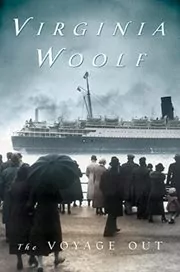
The Voyage Out
by Virginia Woolf
1915
Rachel Vinrace leaves a sheltered life behind when she sails for South America with family friends. The trip opens into talk, love, self-discovery, and a growing sense that freedom can be precarious.

The Mark on the Wall
by Virginia Woolf
1917
A glance at a small mark on a wall sends the mind drifting through memory, habit, and speculation. Very little happens outwardly, but Woolf turns that wandering thought into the whole story.

The Mark On The Wall & Other Short Fiction
by Virginia Woolf
1917
A compact selection of Woolf's shorter fiction, built around some of her finest experiments in consciousness and perception. It is a good way to see how she could make a room, a garden, or a passing thought feel charged.

Two Stories
by Virginia Woolf
1917
This slim Hogarth Press debut pairs a story by Leonard Woolf with *The Mark on the Wall*, Virginia Woolf's first published fiction. It captures the homemade, experimental spirit of their early press.

Kew Gardens
by Virginia Woolf
1919
On a hot day in Kew Gardens, different groups pass a flowerbed while scraps of talk and memory drift by. Woolf makes the garden feel alive with movement, color, and passing consciousness.
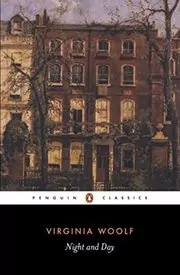
Night and Day
by Virginia Woolf
1919
Set in Edwardian London, this novel follows Katharine Hilbery and Mary Datchet through love, work, and competing expectations. It looks more traditional than Woolf's later fiction, but the questions about women's lives are already there.

A Society
by Virginia Woolf
1921
A group of women form a society to investigate what male education and public life have actually produced. The story is light on its surface, but the satire of culture, power, and gender is sharp.

Monday or Tuesday
by Virginia Woolf
1921
Woolf's only short story collection published in her lifetime gathers eight experimental pieces, including *Kew Gardens* and *The Mark on the Wall*. Plot often slips away, and sensation, voice, and fleeting thought take over.
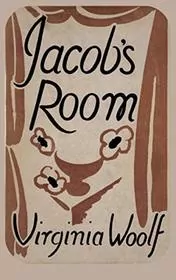
Jacob's Room
by Virginia Woolf
1922
Jacob Flanders is seen mostly through the impressions of other people, never quite held still. That broken, indirect method gives the novel its power, and leaves a quiet shadow of loss behind everything.
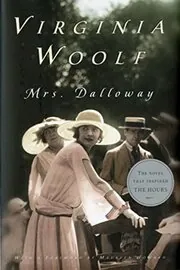
Mrs. Dalloway
by Virginia Woolf
1925
Over the course of a single June day in London, Clarissa Dalloway prepares for an evening party. Around her, Woolf weaves memory, regret, class, and the hidden damage left by war.

On Not Knowing Greek
by Virginia Woolf
1925
This essay turns the gap between modern readers and ancient Greek literature into its main subject. Woolf writes about translation, strangeness, and the exhilaration of reaching toward a language we cannot fully possess.

The Common Reader
by Virginia Woolf
1925
Woolf's first major essay collection asks what reading looks like for pleasure rather than duty. Moving across centuries of literature, she writes as an eager, opinionated, deeply alive reader.

Love Letters
by Virginia Woolf
1926
This selection gathers the correspondence between Woolf and Vita Sackville-West across friendship, affair, and literary exchange. The letters are playful, intimate, competitive, and full of feeling.
To The Lighthouse
by Virginia Woolf
1927
At the Ramsays' summer house by the sea, a postponed trip to the lighthouse becomes the frame for a novel about family, memory, art, and time. Small moments carry almost all the emotional force.
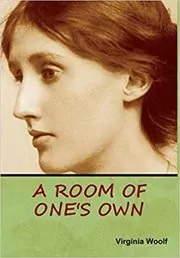
A Room of One's Own
by Virginia Woolf
1928
Based on lectures about women and fiction, this extended essay asks what material conditions a woman needs in order to write. Its argument about money, privacy, and literary history still lands with force.
Orlando
by Virginia Woolf
1928
This mock biography follows Orlando across centuries of English history, and from life as a man into life as a woman. It is witty, quick, and full of questions about identity, time, and gender.

Mr. Bennett and Mrs. Brown
by Virginia Woolf
1929
Starting from a fleeting encounter on a train, Woolf argues that modern fiction needs new ways to make character feel alive. It is brief, combative, and central to understanding her ideas about the novel.

On Being Ill
by Virginia Woolf
1930
Woolf asks why literature has so much to say about love and war, but so little about illness. From the sickroom she notices the body, the sky, and the strange changes that happen to language under strain.

The London Scene
by Virginia Woolf
1931
These six essays wander through docks, streets, shops, houses, and fog, trying to catch London in motion. Woolf is part observer, part flaneur, and always alert to the city's social texture.
The Waves
by Virginia Woolf
1931
Six voices speak from childhood to old age, circling friendship, loss, and the passing of time. Plot matters less than rhythm here, as Woolf builds a novel out of consciousness itself.
Recommended by
1 person- Natalie Portman recommended this book
Natalie Portman
Natalie Portman shared this book on Instagram.
Natalie Portman's recommendation of this book

The Common Reader: Second Series
by Virginia Woolf
1932
The second *Common Reader* broadens Woolf's literary conversation and ends with her famous question, how should one read a book. It is curious, opinionated, and full of sharp, memorable portraits of writers.
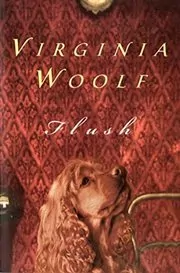
Flush
by Virginia Woolf
1933
Woolf imagines the life of Elizabeth Barrett Browning's spaniel, Flush, from London sickrooms to Italy. The result is playful and strange, but it also becomes a sharp look at class, freedom, and devotion.

Freshwater
by Virginia Woolf
1935
Woolf's only play is a comic send-up of Victorian artistic seriousness, set among Julia Margaret Cameron and her circle at Freshwater. It is absurd, theatrical, and much less solemn than many readers expect.
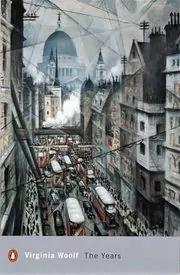
The Years
by Virginia Woolf
1937
This novel follows the Pargiter family across more than fifty years, from the late Victorian world into the 1930s. Instead of one big plot, Woolf builds a life out of rooms, weather, talk, and time.

Three Guineas
by Virginia Woolf
1938
Framed as a response to requests for charitable donations, this book-length essay asks how women might resist war and patriarchy together. It is argumentative, restless, and far more political than many first expect.

Reviewing
by Virginia Woolf
1939
A short, sharp essay on the demands and distortions of book reviewing. Woolf writes about speed, judgement, and literary commerce with the authority of someone who knew the trade from the inside.
Roger Fry: A Biography
by Virginia Woolf
1940
Woolf's life of the painter and critic Roger Fry is both portrait and meditation on biography itself. She follows his art, friendships, and influence while asking how a life can be caught in prose.
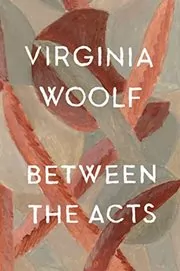
Between the Acts
by Virginia Woolf
1941
On the eve of the Second World War, a village pageant is staged at Pointz Hall. As the play moves through English history, Woolf watches a household and a crowd trying to see themselves clearly.

Thoughts on Peace in an Air Raid
by Virginia Woolf
1941
Written during wartime, this brief essay links the fear of air attack to larger questions of fascism, patriarchy, and resistance. Woolf's argument is compressed, urgent, and still startlingly direct.

The Death of the Moth and Other Essays
by Virginia Woolf
1942
This posthumous collection gathers literary, personal, and political essays of very different scales. A small scene, a book, or a passing creature can suddenly open into Woolf's largest questions about life and art.

A Haunted House and Other Short Stories
by Virginia Woolf
1944
This posthumous collection brings together published and unpublished stories, from ghostly miniatures to party scenes and inward studies. It is one of the best places to see the full range of Woolf's shorter fiction.

Moment And Other Essays
by Virginia Woolf
1948
Another posthumous gathering of Woolf's essays, this volume moves between criticism, memoir, and public thought. It is a good reminder of how flexible and wide her nonfiction could be.
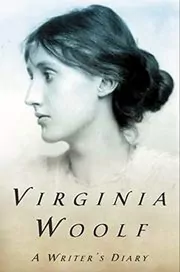
A Writer's Diary
by Virginia Woolf
1953
Drawn from Woolf's diaries and selected by Leonard Woolf, this book focuses on the life of writing itself. It is one of the best places to see how ideas, doubts, revisions, and finished books all connect.

Granite and Rainbow
by Virginia Woolf
1958
These essays focus especially on fiction and biography, two forms Woolf cared about deeply. The title points to her lasting question: how do hard fact and imaginative truth belong together?

The Lady in the Looking Glass
by Virginia Woolf
1960
Watching a room reflected in a mirror, the narrator tries to imagine the inner life of its absent owner, Isabella Tyson. The result is a cool, unsettling story about appearances and how little we really know.

Contemporary Writers
by Virginia Woolf
1965
This collection brings together Woolf's essays and reviews on modern authors and literary culture. She reads with precision, impatience, humor, and the eye of a working novelist as well as a critic.

The Essays, Vol. 1
by Virginia Woolf
1967
Volume One gathers Woolf's early essays and reviews from 1904 to 1912. It shows a young critic learning speed, authority, and style while testing the range of the essay form.

The Essays, Vol. 2
by Virginia Woolf
1967
Covering 1912 to 1918, this volume catches Woolf between apprenticeship and full command. Reviews, cultural pieces, and early criticism reveal a writer sharpening her prose while the world around her shifts.

The Essays, Vol. 3
by Virginia Woolf
1967
These essays from 1919 to 1924 belong to the period in which Woolf was remaking fiction for herself. They combine literary criticism with larger questions about character, form, and modern reading.

The Essays, Vol. 4
by Virginia Woolf
1967
Volume Four covers 1925 to 1928, years packed with some of Woolf's finest criticism. Here the essays are confident, varied, and often in direct conversation with the novels of her great middle period.

Mrs. Dalloway's Party
by Virginia Woolf
1973
These seven linked stories were written around the same period as *Mrs. Dalloway*. Parties, awkward encounters, and private anxieties become a whole little world of social performance and inner life.
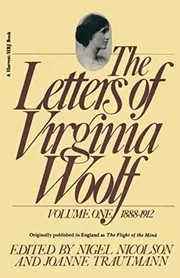
The Letters of Virginia Woolf, Vol. 1
by Virginia Woolf
1975
These early letters run from childhood in 1888 to the eve of Woolf's marriage in 1912. They show a young writer growing more observant, funny, and sure of her own voice.
Moments of Being
by Virginia Woolf
1976
This posthumous collection of autobiographical essays includes *A Sketch of the Past* and other deeply personal pieces. It is Woolf at her most direct about childhood, memory, family, and the making of a self.
The Letters of Virginia Woolf, Vol. 2
by Virginia Woolf
1976
Volume Two covers 1912 to 1922, from Woolf's marriage to Leonard through war, early novels, and the first years of the Hogarth Press. It shows a life settling, changing, and finding purpose.
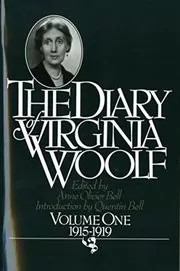
The Diary of Virginia Woolf, Volume One
by Virginia Woolf
1977
The first volume, covering 1915 to 1919, opens on marriage, illness, reading, and the uncertain early years of a career. It also records the beginnings of the Hogarth Press and life after *The Voyage Out*.
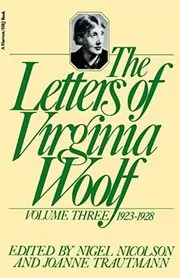
The Letters of Virginia Woolf, Vol. 3
by Virginia Woolf
1977
These letters from 1923 to 1928 catch Woolf in the middle of her great run of modernist fiction. The tone is lively and various, with work, friendship, flirtation, and literary confidence all in motion.

Books & Portraits
by Virginia Woolf
1978
This essay collection ranges across authors, reading, and biographical portraiture. Woolf is especially good on the gap between a public figure and the living, contradictory person behind the image.
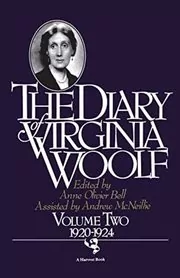
The Diary of Virginia Woolf, Volume Two
by Virginia Woolf
1978
Covering 1920 to 1924, this diary follows Woolf as she finds a newer, freer fictional method. You can watch the ground being prepared for *Jacob's Room* and the world of *Mrs. Dalloway*.
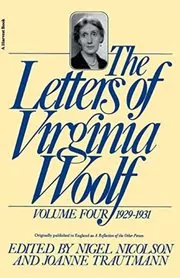
The Letters of Virginia Woolf, Vol. 4
by Virginia Woolf
1978
From 1929 to 1931, Woolf's letters move between literary fame, daily routine, and private feeling. They sit beside *A Room of One's Own* and *The Waves*, showing the social life around the work.

Walter Sickert
by Virginia Woolf
1978
Part essay and part conversation piece, this study of the painter Walter Sickert explores what painting and writing can say to one another. It is also one of Woolf's clearest pieces of art criticism.
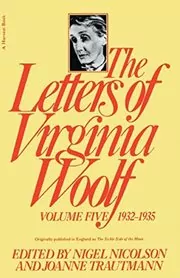
The Letters of Virginia Woolf, Vol. 5
by Virginia Woolf
1979
These letters from 1932 to 1935 capture Woolf in her early fifties, balancing work, friendships, and loss. The volume moves through the making of *The Years* and the effort of writing about Roger Fry.

Women and Writing
by Virginia Woolf
1979
These essays gather Woolf's reflections on women writers, literary history, and the social limits placed on women's work. Read together, they show how consistently she linked art to material conditions.
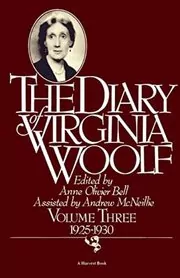
The Diary of Virginia Woolf, Volume Three
by Virginia Woolf
1980
This volume spans 1925 to 1930, one of Woolf's richest creative periods. It runs beside *Mrs. Dalloway*, *To the Lighthouse*, *Orlando*, and *A Room of One's Own*, with all the doubt and excitement behind them.
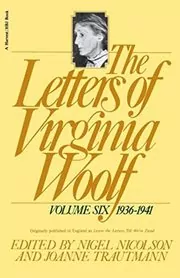
The Letters of Virginia Woolf, Vol. 6
by Virginia Woolf
1980
The final letters, from 1936 to 1941, are vivid, busy, and increasingly shadowed by war. They show Woolf still deeply engaged with friends, work, and publishing even as strain gathers around her.
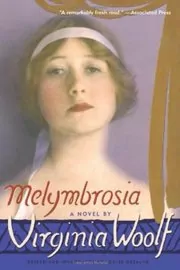
Melymbrosia
by Virginia Woolf
1981
This early version of *The Voyage Out* follows Rachel Vinrace on a sea journey that opens into self-discovery and danger. It shows Woolf's first novel in a rawer form, with sharper political and social edges.
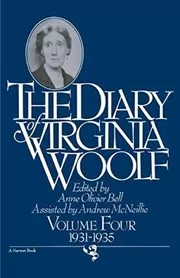
The Diary of Virginia Woolf, Volume Four
by Virginia Woolf
1982
Covering 1931 to 1935, this volume catches Woolf in the years of *The Waves*, *Flush*, and *Roger Fry*. It balances the daily business of writing with portraits of friends, reviews, and wider public anxieties.
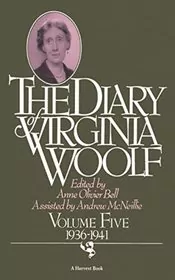
The Diary of Virginia Woolf, Volume Five
by Virginia Woolf
1984
The final diary volume covers 1936 to 1941, years darkened by war and mental strain. It is also full of work, including notes on *The Years*, *Roger Fry*, and the writing of *Between the Acts*.

The Virginia Woolf Reader
by Virginia Woolf
1984
A generous introduction to Woolf that mixes complete stories and essays with substantial excerpts from longer works. It is designed for readers who want her fiction and nonfiction in one place.

The Widow and the Parrot
by Virginia Woolf
1985
Mrs. Gage goes to collect a disappointing inheritance and comes away with a ruined cottage, a mystery, and a parrot named James. This small tale is part fable, part treasure story, and quietly very funny.

The Essays, Vol. 5
by Virginia Woolf
1986
From 1929 to 1932, Woolf's essays move between reading, London, women, and public life. This volume is especially rich if you want the nonfiction that surrounds *A Room of One's Own* and her later criticism.
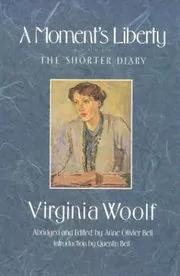
A Moment's Liberty
by Virginia Woolf
1990
This shorter, abridged diary distills Woolf's notebooks from 1915 to 1941 into a single volume. You still get the essentials: writing struggles, social life, sharp portraits, and the rhythm of her days.
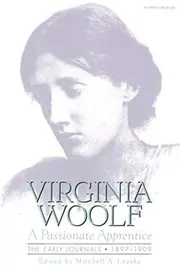
Passionate Apprentice
by Virginia Woolf
1990
These early journals trace Woolf from adolescence into young adulthood and show a writer taking shape. They are full of reading, family life, ambition, and the first clear signs of the voice to come.
Selected Letters
by Virginia Woolf
1990
A one-volume selection of Woolf's correspondence, chosen to show both the writer and the woman at work. It moves easily from family news and literary gossip to grief, affection, and fierce intelligence.

Nurse Lugton's Curtain
by Virginia Woolf
1991
When Nurse Lugton falls asleep over her embroidery, the animals and village on the curtain come to life. It is a brief, magical story with the feel of a dream turned into a picture book.
Paper Darts
by Virginia Woolf
1991
A lively selection of Woolf's letters, chosen for their wit, intimacy, and quick intelligence. The notes on recipients and context help show how friendship, gossip, work, and literary life all meet on the page.

The Complete Shorter Fiction
by Virginia Woolf
1993
Arranged chronologically, this collection gathers Woolf's short fiction across her whole career. It lets you watch her move from early experiments to later, stranger, more distilled pieces.
Travels With Virginia Woolf
by Virginia Woolf
1993
This companion volume follows Woolf through places she knew, using diary entries, letters, essays, and travel pieces. It turns journeys through Sussex, Cornwall, Greece, Spain, and elsewhere into a map of the life behind the books.
The Platform of Time
by Virginia Woolf
2007
This collection gathers Woolf's biographical sketches of family, friends, servants, and Bloomsbury figures. Along the way, it quietly becomes a self-portrait too, especially in the moving memoir of her nephew Julian Bell.

Chekhov's Three Sisters & Woolf's Orlando
by Virginia Woolf
2011
This theater volume pairs Sarah Ruhl's version of Woolf's *Orlando* with her translation of *Three Sisters*. It is a lively meeting point for readers interested in adaptation, performance, longing, and time.

The Essays, Vol. 6
by Virginia Woolf
2011
The final volume gathers essays from 1933 to 1941, including late criticism, broadcasts, and political writing. It shows Woolf thinking under the pressure of war while still expanding what an essay can do.

Collected Short Stories
by Virginia Woolf
2019
This collection brings together many of Woolf's most important short stories in one volume. It is an easy way to follow her recurring interests in rooms, parties, city streets, memory, and the movement of thought.

A Letter to a Young Poet
by Virginia Woolf
2021
Written as an open letter to John Lehmann, this essay thinks about poetry, prose, and the challenge of writing in the present. Woolf is witty and encouraging, but never vague about how hard the task is.

Street Haunting
by Virginia Woolf
2022
Setting out to buy a pencil, Woolf lets a winter walk through London become an essay on anonymity, desire, and the shifting self. It is one of her most companionable pieces of city writing.
Where to start with Virginia Woolf
If you want the best-known starting point: Mrs. Dalloway → To the Lighthouse
If you want something playful and surprisingly accessible: Orlando → Flush
If you want Woolf on women and power: A Room of One's Own → Three Guineas
If you want to watch her fiction change shape: The Voyage Out → Jacob's Room → Mrs. Dalloway
If you want the private voice behind the books: A Writer's Diary → Selected Letters → Moments of Being
Virginia Woolf sub-series and character series
The Diary of Virginia Woolf books in order
Explore this seriesThe Diary of Virginia Woolf books in chronological order
The Letters of Virginia Woolf books in order
Explore this seriesThe Letters of Virginia Woolf books in chronological order
Virginia Woolf collections, short stories, and related book types
Short Stories/Novellas
Plays
Short Story Collections
Diaries and Journals
Essays
Collected Essays
Letters
Non-Fiction
Standalone Virginia Woolf books
Author bio
Virginia Woolf was born Adeline Virginia Stephen in London on January 25, 1882. She grew up at 22 Hyde Park Gate in a large, book-filled household, and she spent formative summers in St Ives, Cornwall, a landscape that stayed with her for the rest of her writing life. Her father, Leslie Stephen, was a critic and editor, and the house was crowded with talk, visitors, books, and expectations.
Her education was rich in some ways and limited in others. Much of it happened at home, but she also studied classics and history at the Ladies' Department of King's College London, where she encountered some of the early arguments for women's education and independence. That tension, between intellectual hunger and the barriers placed around women, would keep returning in her essays.
Writing began with journalism. In her twenties she reviewed books constantly, learning how to argue, compress, and listen to the movement of a sentence. After the deaths of her parents, and then of her brother Thoby, she moved with Vanessa, Adrian, and friends into Bloomsbury, where conversation, experiment, and argument helped shape the life she would make as a writer.
Then came the books.
Her first novel, The Voyage Out, appeared in 1915. But Jacob's Room showed her breaking away from older Victorian forms, and Mrs. Dalloway and To the Lighthouse made her approach unmistakable: close to thought, alert to time, and deeply interested in what passes between people without being said. Readers often come to Woolf for the style, but they stay because she can make a walk, a meal, a room, or a passing memory feel charged with real life.
She could be playful, too.
Orlando turns a mock biography into a funny, sly, wide-ranging story about gender and history. The Waves pushes even further, building a novel out of voices, memory, and repetition. In another key register, A Room of One's Own and Three Guineas write plainly and sharply about money, education, war, and the conditions women need if they are to think and work freely.
Her life as a writer was closely tied to her life with Leonard Woolf, whom she married in 1912. In 1917 they founded the Hogarth Press, first as a small hand-printing project and then as a serious publishing house. That gave her room to experiment and also placed her at the center of a wider literary world of manuscripts, proofs, criticism, friendships, and literary quarrels.
Her diaries and letters show the same quick intelligence, along with wit, discipline, gossip, doubt, and periods of severe mental strain. She lived mainly between London and Sussex, kept writing through illness and the pressure of war, and finished Between the Acts shortly before her death in 1941. More than a century after her birth, her work still feels startlingly alive, especially when she writes about memory, the city, friendship, art, and the difficult business of making a life in words.


Edited by
Software engineer whose passion for tracking book recommendations from podcasts inspired the creation of MRB.
Lead investor at 3one4 Capital whose startup expertise and love for books helped shape MRB and its growth.
Comments
Did we miss something? Have feedback?
Help us improve this page by sharing your thoughts