
The Letters of Robert Frost Books in Order
Part ofRobert Frost Books in OrderSee The Letters of Robert Frost books in order by Robert Frost, with volume summaries, publication context, and help choosing the best place to begin.
Last updated:
As an Amazon Associate, we earn from qualifying purchases (at no extra cost to you).
The Letters of Robert Frost books in publication order
2 books
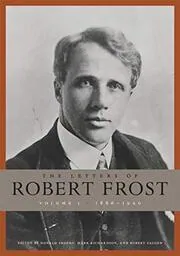
The Letters of Robert Frost, Volume 1
by Robert Frost
2014
The first volume traces Frost from adolescence through the years of struggle, farming, and early recognition. These letters show a young writer building his life and voice, long before he became a public literary figure.
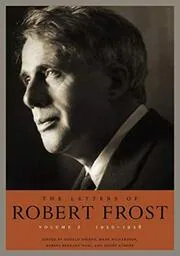
The Letters of Robert Frost, Volume 2
by Robert Frost
2016
Volume 2 follows Frost through the 1920s as fame, teaching, and public demands grow around him. The letters mix family life, literary friendships, practical business, and serious thinking about poetry and the poet's place in American life.
The Letters of Robert Frost books in chronological order
Series background & context
The Letters of Robert Frost is not a fiction sequence. It is a chronological edition of Frost's correspondence, so the through line is Frost himself, seen as son, husband, father, farmer, teacher, ambitious writer, and eventually a national literary figure. If the poems often give you the finished performance, these volumes let you watch the daily work around it: letters to family, publishers, friends, students, editors, and other writers.
Volume 1 carries Frost from the late 1880s through 1920. That means you see the long stretch before fame, the farm years in Derry, New Hampshire, the move to England in 1912, and the period when A Boy's Will, North of Boston, and Mountain Interval establish his reputation. The letters are useful for literary history, but they also make him feel less like a monument. He worries about money, argues about poems, writes with dry humor, and tries to manage a crowded family life while still protecting time to work.
That makes the series unusually human.
Volume 2 moves into the 1920s, when Frost is no longer fighting just to be heard. Books like Selected Poems, New Hampshire, and West-Running Brook raise his standing, and his life grows busier with teaching posts, readings, travel, and requests from all directions. The letters show him handling contracts, invitations, friendships, institutional politics, and the growing expectation that he should explain both his poems and himself. They also show how seriously he took teaching, especially as poets began to hold a more visible place on American campuses.
Place matters here, maybe more than you would think in a series made of letters. The books move through New England farms and college towns, England, lecture halls, publishers' offices, and family homes. You keep seeing how close Frost's writing was to real weather, real work, and real obligations. The setting is not just scenic background. It is the material pressure of rural life, public life, and domestic life, all pressing on the same person.
The lasting tension across the series is simple to describe. Frost wants privacy, but he also wants readers. He can be warm, funny, prickly, generous, strategic, and evasive, sometimes within the same exchange. That shifting voice is part of the pleasure. The books do not flatten him into an easy hero or a tidy legend. Instead, they show a working writer thinking on his feet, managing relationships, and turning everyday conversation into something quick, sharp, and memorable.
So what should you expect as a reader? Not plot twists, but accumulation. These are books for people who want the life around the poems: the career building, the friendships, the family strain, the teaching, the craft talk, the practical business, and the small turns of phrase that sound very much like Frost before they harden into famous lines. Read together, the volumes let you watch a private man become a public poet, one letter at a time.







Edited by
Software engineer whose passion for tracking book recommendations from podcasts inspired the creation of MRB.
Lead investor at 3one4 Capital whose startup expertise and love for books helped shape MRB and its growth.
Comments
Did we miss something? Have feedback?
Help us improve this page by sharing your thoughts