
Robert Frost Books in Order
Explore Robert Frost books in order, from early poetry collections to letters and selected editions, with summaries, reading order, and where to start.
Last updated:
As an Amazon Associate, we earn from qualifying purchases (at no extra cost to you).
Robert Frost books in publication order
33 books

A Boy's Will
by Robert Frost
1913
Frost's first major collection moves through solitude, desire, work, and the pull of the natural world. The poems are quieter and more inward than his later dramatic pieces, but you can already hear the voice taking shape.

North of Boston
by Robert Frost
1914
This breakthrough collection brought Frost's New England voices fully to life through dramatic monologues and dialogues. Poems like Mending Wall and The Death of the Hired Man turn everyday speech into tense, memorable human drama.
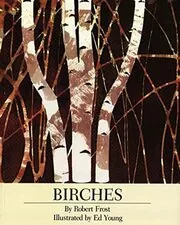
Birches
by Robert Frost
1916
This illustrated edition of Frost's poem begins with bent birch trees and turns into a meditation on childhood, escape, and returning to earth. It is one of his best examples of plain language carrying big emotional weight.

Mountain Interval
by Robert Frost
1916
This 1916 collection includes The Road Not Taken, Birches, and Out, Out-, and shows Frost widening his range. The book moves from lyrical reflection to darker narrative poems, always grounded in New England speech and landscape.
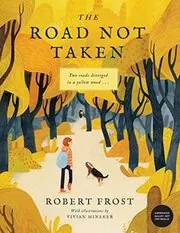
The Road Not Taken
by Robert Frost
1916
At a fork in the woods, a traveler must choose and live with the story of that choice. This standalone edition keeps Frost's famous poem focused on uncertainty, self-explanation, and the meaning we give our own past.

The Road Not Taken and Other Poems
by Robert Frost
1916
This accessible selection brings together some of Frost's best-known early poems, including the title piece. It is a strong sampler of the poems that made his name, with woods, farms, weather, work, and hard choices all in view.

You Come Too
by Robert Frost
1916
Chosen by Frost for younger readers, this collection invites children into his world of fields, birds, chores, seasons, and small adventures. The tone is welcoming, but the poems still keep their music and quiet strangeness.

New Hampshire
by Robert Frost
1923
Frost's Pulitzer-winning collection balances playful wit with some of his sharpest, most memorable lyrics. It includes Stopping by Woods on a Snowy Evening and shows how easily he could move from local scene to large thought.

The Collected Poems of Robert Frost
by Robert Frost
1930
A compact collected edition for readers who want a wide view of Frost without sorting through separate volumes. It brings together many of the familiar poems about woods, walls, work, seasons, and the difficult choices people live by.

The Poetry of Robert Frost
by Robert Frost
1930
This is the standard one-volume gathering of Frost's verse, bringing together all eleven books he saw published. It is the best place to see the full arc of his career, from early lyrics to late, harder-edged poems.

A Masque Of Reason
by Robert Frost
1945
Frost returns to the story of Job in a witty verse play that argues with suffering, justice, and easy religious answers. It is philosophical and playful at once, more like a staged debate than a conventional collection of lyrics.

Selected Poems
by Robert Frost
1955
This curated selection is a practical entry point if you want the major Frost pieces in one manageable book. It mixes lyrics, narrative poems, and dramatic scenes, letting you hear both the music and the tension in his work.

Selected Poems of Robert Frost
by Robert Frost
1955
This illustrated edition gathers more than one hundred poems from Frost's first three books. It is a handsome way to read the early work, especially if you want Mending Wall, Birches, and The Road Not Taken together.

In the Clearing
by Robert Frost
1957
Frost's last book published during his lifetime has the feel of a late summing up. The poems are lean, thoughtful, and sometimes openly public, including the inauguration poem he prepared for John F. Kennedy.
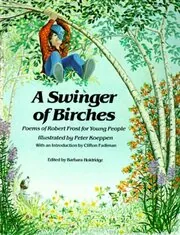
Swinger of Birches
by Robert Frost
1961
This selection gathers Frost poems for younger readers, with nature, seasons, animals, and country life at the center. It offers a gentle way into his work while keeping the wit, music, and quiet thoughtfulness that make the poems last.
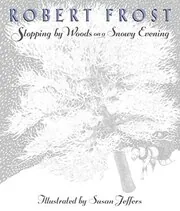
Stopping by Woods on a Snowy Evening
by Robert Frost
1969
A traveler pauses in the hush of falling snow, torn between the beauty of the dark woods and the pull of promises still to keep. This picture-book edition makes Frost's most haunting short poem especially inviting.
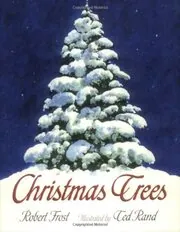
Christmas Trees
by Robert Frost
1990
A city buyer offers to purchase a Vermont farmer's young trees, turning a friendly visit into a sly exchange about money, land, and value. Frost keeps the scene light, but the poem knows exactly what is at stake.

Robert Frost
by Robert Frost
1994
This Poetry for Young People edition introduces Frost through a carefully chosen group of poems about the seasons and the natural world. Notes and illustrations help younger readers hear the clarity, surprise, and deeper feeling in his work.

Collected Poems, Prose, and Plays
by Robert Frost
1995
This volume goes well beyond the familiar poems, adding uncollected verse, plays, essays, lectures, stories, and letters. It is the broadest single-book view of Frost as poet, thinker, performer, and prose writer.
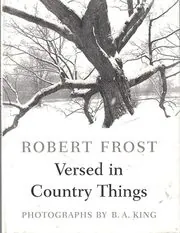
Versed in Country Things
by Robert Frost
1996
This photo-illustrated selection pairs Frost's rural poems with stark images of fields, barns, and weathered country life. It shows how closely his work listens to labor, loneliness, beauty, and the hard knowledge that comes with living on the land.

Frost: Poems
by Robert Frost
1997
This pocket anthology offers a small but strong Frost sampler for dipping in and out of. It captures the range of his voice, from quiet rural observation to poems that turn suddenly toward doubt, isolation, or hard-earned wisdom.
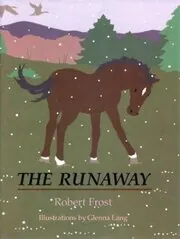
The Runaway
by Robert Frost
1998
A small colt stands frightened in the first snow, while the speaker imagines what the little animal feels out in the open field. Frost turns a simple scene into a tender poem about fear, distance, and care.

Come in and Other Poems
by Robert Frost
2000
This selected edition, prepared with biographical introduction and commentary, offers a guided way into Frost's poems. It works well for readers who want approachable favorites with a little context beside them.

The Notebooks of Robert Frost
by Robert Frost
2007
These notebooks gather Frost's private jottings on poetry, teaching, politics, religion, and daily life. Less polished than the finished poems, they show his mind at work, testing ideas, phrases, arguments, and sharp little observations.

The Collected Prose
by Robert Frost
2008
Frost resisted gathering his prose during his lifetime, which makes this edition especially useful. It brings together essays, talks, early journalism, and other pieces that show how directly he could think and argue outside verse.
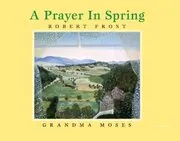
A Prayer in Spring
by Robert Frost
2011
Instead of asking for future rewards, this poem asks only for the grace to enjoy blossom, bird song, and the happiness of the present season. It is one of Frost's warmest and most openly grateful lyrics.

The Robert Frost Collection
by Robert Frost
2011
This compact anthology gathers more than seventy-five of Frost's best-known poems in one portable volume. It is a straightforward choice if you want the classics together, from country scenes and winter woods to questions of choice and duty.
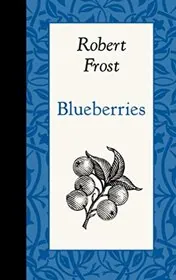
Blueberries
by Robert Frost
2014
What starts as a happy day of berry picking opens into a sharp look at land, ownership, and the uneasy line between delight and taking. Frost keeps the talk conversational, but the poem has real bite.
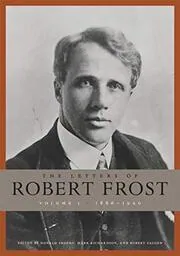
The Letters of Robert Frost, Volume 1
by Robert Frost
2014
The first volume traces Frost from adolescence through the years of struggle, farming, and early recognition. These letters show a young writer building his life and voice, long before he became a public literary figure.
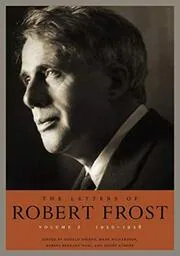
The Letters of Robert Frost, Volume 2
by Robert Frost
2016
Volume 2 follows Frost through the 1920s as fame, teaching, and public demands grow around him. The letters mix family life, literary friendships, practical business, and serious thinking about poetry and the poet's place in American life.

Poetry for Kids: Robert Frost
by Robert Frost
2017
This children's edition selects thirty-five Frost poems and surrounds them with art, brief notes, and help with unfamiliar words. It is designed to make his New England seasons, animals, and big questions readable for younger audiences.

Robert Frost: Sixteen Poems to Learn by Heart
by Robert Frost
2024
This keepsake selection chooses sixteen Frost poems for memorization and close reading, with short commentaries alongside them. It is less a complete introduction than an invitation to slow down and hear how his language works.
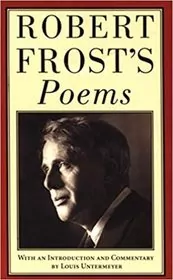
Robert Frost's Poems
by Robert Frost
Where to start with Robert Frost
If you want the classic early run: A Boy's Will → North of Boston → Mountain Interval
If you want the best-known poems fast: The Road Not Taken and Other Poems → The Poetry of Robert Frost
If you want a manageable one-volume sampler: Selected Poems → The Poetry of Robert Frost
If you're reading with younger readers: You Come Too → Poetry for Kids: Robert Frost → Robert Frost
If you want the writer behind the poems: The Letters of Robert Frost, Volume 1 → The Letters of Robert Frost, Volume 2
Robert Frost sub-series and character series
The Letters of Robert Frost books in order
Explore this seriesThe Letters of Robert Frost books in chronological order
Robert Frost collections, short stories, and related book types
Plays
Collections
Standalone Robert Frost books
Author bio
Robert Frost was born in San Francisco on March 26, 1874. When his father died in 1885, his mother moved Robert and his sister east to Lawrence, Massachusetts. That shift from California to New England stayed with him for the rest of his life, because the farms, villages, winters, and working people of the Northeast became the ground tone of his poetry.
He was a strong student and shared valedictorian honors at Lawrence High School with Elinor White, who later became his wife. Frost tried college twice, first at Dartmouth and later at Harvard, but he did not stay long enough to take a degree. For years he supported himself with teaching, newspaper work, and odd jobs, writing whenever he could.
He came to poetry slowly, and with a lot of refusal along the way.
In 1900, Frost and Elinor moved to a farm in Derry, New Hampshire, a place that mattered enormously to his writing. He worked the farm for years, often rising early to write before the day's labor began. Many of the scenes and tensions that readers now connect with him, stone walls, orchards, woods, chores, weather, neighbors, and the hard talk between husbands and wives, were sharpened there.
The big break came only after a gamble. In 1912, frustrated by years of magazine rejection in the United States, Frost moved with his family to England. There he published A Boy's Will in 1913 and North of Boston in 1914. Those books announced him quickly, and when he returned to America in 1915 he came back not as an unknown farm poet, but as a writer people were suddenly paying attention to.
That early run still explains a lot of his appeal. A Boy's Will is quieter and more inward. North of Boston shows how well he could turn everyday speech into drama. Mountain Interval gave readers poems such as The Road Not Taken and Birches. Later books like New Hampshire and A Further Range widened his reach without losing the plainspoken surface that makes Frost sound easy until you notice how much unease, wit, and argument sits underneath.
He made poems that sound like conversation, but they never feel casual for long.
Readers often first meet Frost through Stopping by Woods on a Snowy Evening or The Road Not Taken, yet his work holds together because the same concerns keep returning in different forms. He wrote about borders and neighbors, freedom and obligation, loneliness, marriage, work, weather, choice, and the stubborn fact that nature is beautiful without necessarily being kind. He liked rural settings, but he was never simply writing pretty landscape verse. The poems keep asking what people owe each other, and what they can never quite say out loud.
Frost spent much of his later life teaching, lecturing, and giving public readings. Amherst College and the Bread Loaf School of English were especially important parts of that public life, and he helped shape the idea of the poet as a working presence on American campuses. He won four Pulitzer Prizes for poetry, more than any other poet, and in 1961 he became the first poet to take part in a presidential inauguration. Bright sunlight kept him from reading the new poem he had prepared, so he recited The Gift Outright from memory instead.
His private life, though, was marked by grief, illness, and repeated family losses, and that shadow helps explain why even his calmest poems can feel edged with strain. Frost did not usually write by direct confession. He preferred scenes, voices, arguments, and masks. Feeling arrives sideways in his work, which is one reason people return to it at different ages and find a different poem waiting for them each time.
His last book published during his lifetime was In the Clearing in 1962. He died in Boston on January 29, 1963. But Frost never became only a classroom poet or a line on a greeting card. He remains unusually alive on the page, partly because he understood that ordinary speech can carry doubt, humor, sorrow, pride, and mystery all at once. That balance, between the familiar and the hard to pin down, is what keeps readers coming back.





Edited by
Software engineer whose passion for tracking book recommendations from podcasts inspired the creation of MRB.
Lead investor at 3one4 Capital whose startup expertise and love for books helped shape MRB and its growth.
Comments
Did we miss something? Have feedback?
Help us improve this page by sharing your thoughts