
RFC Books in Order
Part ofDerek Robinson Books in OrderThis page shows the RFC books by Derek Robinson in order, with summaries, series background, and help choosing where to start with his First World War flyers.
Last updated:
As an Amazon Associate, we earn from qualifying purchases (at no extra cost to you).
RFC books in publication order
3 books
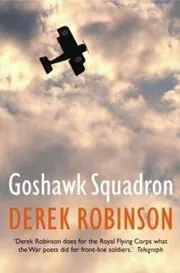
Goshawk Squadron
by Derek Robinson
1971
On the Western Front in 1918, Major Stanley Woolley drives his pilots hard because he expects most of them to die. It is savage, funny, and merciless about the gap between air-war legend and daily survival.
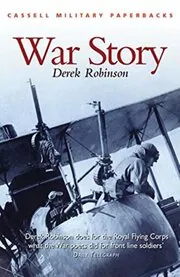
War Story
by Derek Robinson
1987
Fresh from school in 1916, Oliver Paxton reaches Hornet Squadron and finds fear, drink, bravado, and sudden death waiting in France. Robinson turns his arrival into a brutal coming-of-age story inside the Royal Flying Corps.
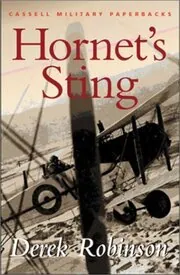
Hornet's Sting
by Derek Robinson
1999
Hornet Squadron fights on through 1917 as new machines arrive and losses keep coming. Robinson follows the pilots through another grinding year of patrols, accidents, and combat, where experience helps, but never guarantees survival.
RFC books in chronological order
Series background & context
The RFC books are Derek Robinson's First World War flying novels, and they are miles away from the old knights-of-the-air picture. These stories take place over the Western Front, where the aircraft are fragile, the life expectancy is grim, and the line between courage and foolishness can be very thin. Robinson keeps the flying vivid, but he never lets it drift into romance.
War Story is the best entry point if you want the sequence in story order. It begins in 1916 with Oliver Paxton, fresh from school and absurdly young for the world he is entering. Through him, Hornet Squadron comes into focus as a working unit, full of strain, drink, bravado, routine, and sudden loss. The book makes clear very quickly that the squadron, not one tidy hero, is the real center of gravity.
People do not survive here just because they seem important.
Hornet's Sting carries that world into 1917. Aircraft improve, pilots gain experience, and the war keeps swallowing both. Robinson uses the changing machines and changing tactics to show that progress does not make the air war clean or safe. The pressure remains relentless, and the books never pretend that training, skill, or intelligence can fully tame chance.
Goshawk Squadron, Robinson's first novel, moves to 1918 and to one of his harshest commanders, Major Stanley Woolley. Woolley has no patience for the noble nonsense people attach to air combat. He expects his pilots to kill first, survive if possible, and drop any illusion that war in the sky is somehow more gentlemanly than war in the mud below. That cold outlook gives the book its edge, but also its strange honesty.
What makes the RFC books work so well is that they balance movement and atmosphere. You get patrols, crashes, dogfights, bad weather, bad engines, and worse orders. But you also get the shabby airfields, the waiting, the rough humor, the clumsy friendships, and the sense that everyone is learning too late. Robinson is excellent on how young men adapt to madness by joking, drinking, showing off, or pretending not to care.
If you come to this series hoping for polished heroics, you may be startled. If you come wanting World War One fiction that treats flying as work, danger, and organized confusion, you are in exactly the right place. These books are brutal, funny, and deeply alert to the gap between legend and lived experience.





Edited by
Software engineer whose passion for tracking book recommendations from podcasts inspired the creation of MRB.
Lead investor at 3one4 Capital whose startup expertise and love for books helped shape MRB and its growth.
Comments
Did we miss something? Have feedback?
Help us improve this page by sharing your thoughts