
Philip Roth Books in Order
The complete reading order for Philip Roth's books, including the Nathan Zuckerman and David Kepesh series, with summaries and starting points.
Last updated:
As an Amazon Associate, we earn from qualifying purchases (at no extra cost to you).
Philip Roth books in publication order
46 books
The Conversion of the Jews
by Philip Roth
1958
A short story in which Ozzie Freedman, a curious young student, clashes with his rabbi over religious doctrine. The conflict escalates until Ozzie flees to the synagogue roof, forcing the community below to confront his challenge.
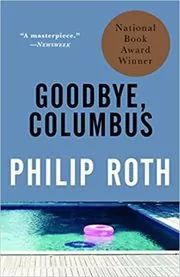
Goodbye, Columbus
by Philip Roth
1959
A novella and short stories that examine the tensions between different social classes of Jewish Americans. The title story follows a summer romance between a working-class librarian from Newark and a wealthy suburban college student.
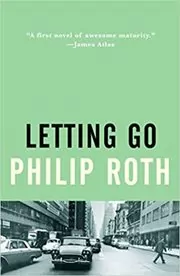
Letting Go
by Philip Roth
1961
Roth’s first full-length novel portrays Gabe Wallach, a young academic in the 1950s struggling with questions of duty and desire. He becomes entangled in the chaotic lives of his friends, Paul and Libby Herz, as they navigate a difficult marriage.
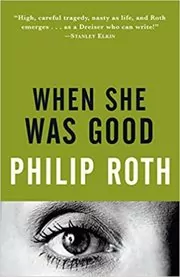
When She Was Good
by Philip Roth & Tanya Eby
1966
Set in the Midwest, this novel focuses on Lucy Nelson, a young woman fiercely dedicated to moral righteousness. Her refusal to accept the imperfections of her father and husband leads to a tragic unraveling of her own life.
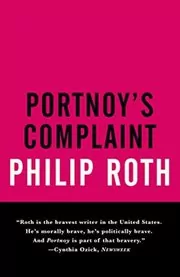
Portnoy's Complaint
by Philip Roth
1969
A monologue delivered from a psychoanalyst's couch, this novel is a frantic, hilarious confession of lust, guilt, and mother-obsession. Alexander Portnoy tries to make sense of his life as a Jewish son torn between his desires and his upbringing.
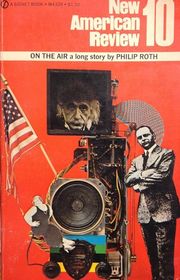
New American Review 10
by Penguin Books Staff & Philip Roth
1970
The tenth issue of New American Review, published in 1970. This volume includes Philip Roth’s “On the Air,” a long story appearing on pages 7 through 49.
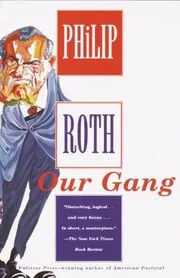
Our Gang
by Philip Roth
1971
A sharp political satire taking aim at the Nixon administration. The book features a character named Trick E. Dixon and mocks the double-speak and moral corruption of American politics during the era.
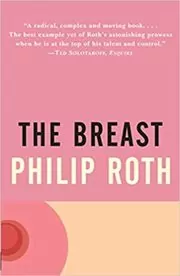
The Breast
by Philip Roth & David Colacci
1972
In this surreal novella, literature professor David Kepesh wakes up to find he has transformed into a massive female breast. The story explores themes of sexual identity and isolation through a bizarre, Kafkaesque premise.
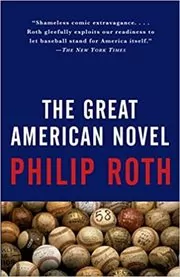
The Great American Novel
by Philip Roth
1973
A broad, comic satire about a fictional third major baseball league, the Patriot League, which has been erased from history. The story follows the homeless Ruppert Mundys, a team of misfits playing their games entirely on the road.
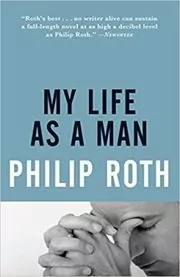
My Life as a Man
by Philip Roth
1974
This novel introduces the character of Nathan Zuckerman within the fiction of another writer, Peter Tarnopol. It explores the disastrous marriage of a young novelist and his attempts to transform his personal suffering into art.
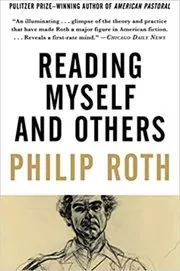
Reading Myself and Others
by Philip Roth
1975
A collection of interviews and essays where Roth discusses his own work and the books that influenced him. It provides insight into the controversies surrounding his early novels and his views on the role of the writer.
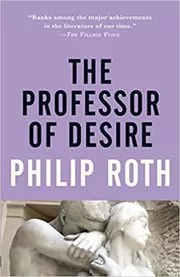
The Professor of Desire
by Philip Roth
1977
Following David Kepesh from his youth to his academic career, this novel examines the conflict between intellectual discipline and carnal lust. Kepesh searches for a balance between the orderly world of literature and the chaotic demands of his body.
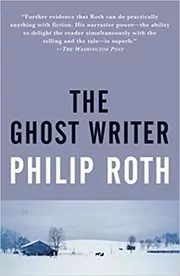
The Ghost Writer
by Philip Roth
1979
Young Nathan Zuckerman visits the home of his literary idol, E.I. Lonoff, and meets a mysterious young woman he imagines to be Anne Frank. The novel explores the burden of Jewish history and the sacrifices required for an artistic life.
A Philip Roth Reader
by Philip Roth
1980
A curated selection of Roth’s fiction and non-fiction, offering an overview of his major themes and stylistic evolution. It includes excerpts from key novels and essays that define his career.
Zuckerman Unbound
by Philip Roth
1981
Nathan Zuckerman deals with the chaotic aftermath of publishing a scandalous bestseller. He faces death threats, fans, and the disapproval of his family, struggling to handle the sudden intrusion of the public into his private life.
The Anatomy Lesson
by Philip Roth
1983
Suffering from undiagnosed chronic pain and a creative block, a middle-aged Nathan Zuckerman looks for a way out of his writing career. His physical agony drives him toward a medical profession, even as his past continues to haunt him.
The Prague Orgy
by Philip Roth
1985
A novella in which Nathan Zuckerman travels to Soviet-occupied Prague to recover the manuscript of a martyred Yiddish writer. He encounters a surreal world of oppressed artists and state surveillance.
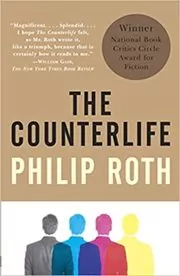
The Counterlife
by Philip Roth
1986
A complex, meta-fictional novel that presents conflicting versions of Nathan Zuckerman’s life and death. The story moves between New Jersey, London, and Israel, exploring the possibility of reinventing oneself and the fickle nature of destiny.
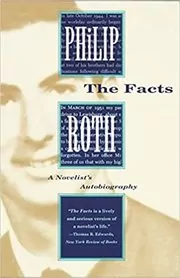
The Facts
by Philip Roth
1988
An autobiography in which Roth recounts his upbringing in Newark and his early career. The narrative is framed by a letter to his fictional creation, Nathan Zuckerman, who then provides a critical response to the memoir.
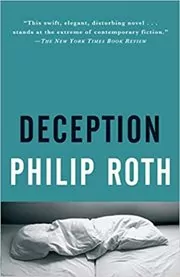
Deception
by Philip Roth
1990
Composed entirely of dialogue, this novel depicts the intimate conversations between an American writer named Philip and his English mistress in London. It is a study of infidelity, intimacy, and the stories lovers tell each other.
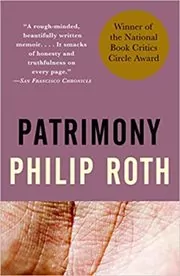
Patrimony
by Philip Roth
1991
A true story about Roth watching his tough, eighty-six-year-old father battle a brain tumor. It is a moving memoir about the bond between father and son, the indignities of illness, and the legacy of a difficult man.
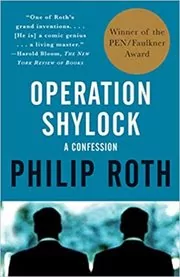
Operation Shylock
by Philip Roth
1993
Roth travels to Israel and discovers an impostor is using his name to promote a bizarre political movement. The novel blurs fact and fiction as the narrator confronts his double during the trial of an accused war criminal.
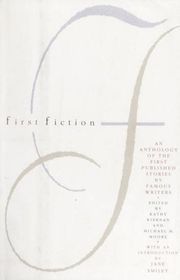
First Fiction: An Anthology of the First Published Stories by Famous Writers
by Kathy Kiernan, Margaret Atwood & Philip Roth
1994
An anthology gathering the first professionally published stories of 41 prominent American, British, and Canadian writers. Edited by Kathy Kiernan and Michael M. Moore, it pairs the selections with biographical notes that trace how each author reached publication.
His Mistress's Voice
by Philip Roth
1995
A limited edition volume containing a short story originally published in the Partisan Review. The narrative delves into themes of psychoanalysis and the complexities of intimate relationships.
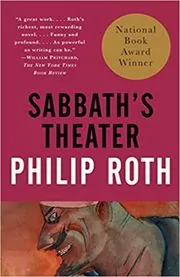
Sabbath's Theater
by Philip Roth
1995
Mickey Sabbath, a disgraced puppeteer and unrepentant lecher, faces the death of his long-time mistress. This dark, comic novel explores grief, sexual obsession, and the refusal to go gently into old age.
Tales for Travellers: Short Stories: Collection 1
by Penton Overseas Inc & Philip Roth
1996
A travel-friendly set of 12 unabridged short stories presented as individual booklets. This first collection includes Philip Roth’s “The Conversion of the Jews,” alongside stories by Dylan Thomas and other noted writers.
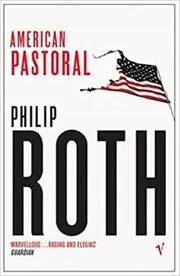
American Pastoral
by Philip Roth
1997
Seymour "Swede" Levov, a legendary high school athlete and successful businessman, sees his perfect American life destroyed when his daughter becomes a political terrorist. A tragic look at how the chaos of the 1960s upended post-war stability.
Recommended by
1 person- Michiko Kakutani recommended this book
Michiko Kakutani
"Our favorite Roth book." - Michiko Kakutani
Michiko Kakutani's recommendation of this book
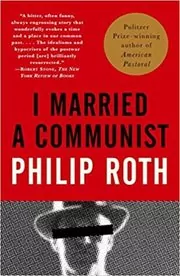
I Married a Communist
by Philip Roth
1998
The story of Ira Ringold, a rough-hewn radio star brought down by the anti-Communist witch hunts of the 1950s. Nathan Zuckerman narrates this tale of betrayal, exploring how political hysteria can ruin personal lives.
The Best American Short Stories of the Century
by John Updike, Cynthia Ozick, George Plimpton, Rosellen Brown & Philip Roth
2000
John Updike and Katrina Kenison select 55 stories published between 1915 and 1998 for this sweeping twentieth-century anthology. Arranged chronologically, it brings together canonical and less familiar American short fiction, including Philip Roth’s “Defender of the Faith.”
The Good Parts
by J. H. Blair & Philip Roth
2000
Edited by J. H. Blair, this anthology collects erotic fiction by contemporary American writers. Its selections explore love, desire, sex, fantasy, and seduction through work by Philip Roth, Toni Morrison, Don DeLillo, Joyce Carol Oates, and many others.
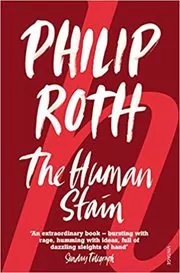
The Human Stain
by Philip Roth
2000
A distinguished classics professor is forced to retire after a minor verbal slip is branded as racist. As Nathan Zuckerman uncovers the man's secret history, the novel exposes the hypocrisy and moral judgment of the late 1990s.
Wonderful Town
by David Remnick, Susan Choi & Philip Roth
2000
Edited by David Remnick and Susan Choi for The New Yorker’s seventy-fifth anniversary, this anthology gathers stories of and about New York City. The selections span the magazine’s history and portray the city through a wide range of writers and neighborhoods.
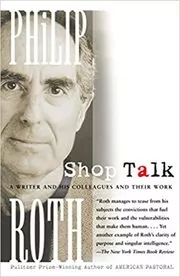
Shop Talk
by Philip Roth
2001
A collection of conversations between Roth and other prominent writers, including Primo Levi, Milan Kundera, and Isaac Bashevis Singer. They discuss the craft of writing and the role of the author in different cultural contexts.
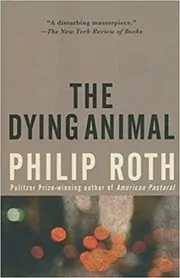
The Dying Animal
by Philip Roth
2001
An aging David Kepesh begins a passionate affair with a young student, Consuela. The novel is a stark meditation on the jealousy, vulnerability, and fear that accompany sexual desire in the face of approaching death.
Baseball As America Seeing Ourselves Through Our National Game
by National Geographic & Philip Roth
2002
The companion volume to the National Baseball Hall of Fame and Museum’s traveling exhibition examines baseball’s place in American life. Illustrated with more than 200 archival and original photographs, it considers the game’s ties to culture, language, entertainment, food, and national identity.
Baseball: a Literary Anthology
by Nicholas Dawidoff & Philip Roth
2002
Edited by Nicholas Dawidoff, this wide-ranging collection traces baseball writing from the nineteenth century to the modern game. Fiction, memoir, poetry, journalism, oral history, and insider accounts illuminate players, fans, teams, broadcasters, and the sport’s enduring cultural presence.
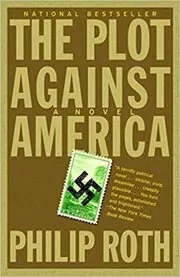
The Plot Against America
by Philip Roth
2004
In an alternate history, aviation hero and isolationist Charles Lindbergh defeats Franklin Roosevelt in the 1940 presidential election. The novel follows a Jewish family in Newark as they watch their secure American lives threatened by the new administration’s anti-Semitic policies.
Recommended by
1 person Daniel Pink recommended this book
Daniel Pink
Daniel Pink mentioned this book on "The Tim Ferriss Show" podcast.
Daniel Pink's recommendation of this book
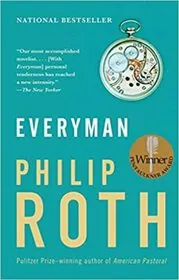
Everyman
by Philip Roth
2006
A short, somber novel charting the medical history and declining health of an unnamed protagonist. It focuses on the physical realities of aging, illness, and the inevitable approach of death.
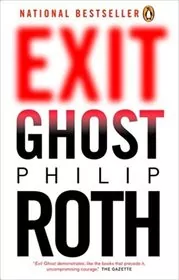
Exit Ghost
by Philip Roth
2007
After years of seclusion, Nathan Zuckerman returns to New York City and finds himself drawn into one final literary conflict. The novel serves as a farewell to Roth’s long-running alter ego as he confronts his own diminishing powers.
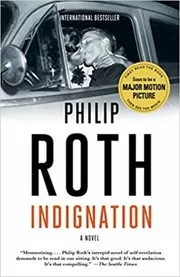
Indignation
by Philip Roth
2008
In 1951, a Jewish student from Newark attends a conservative college in Ohio to escape the Korean War draft. A small mistake and a clash with the dean lead to consequences that alter his fate forever.
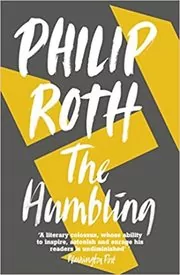
The Humbling
by Philip Roth
2009
A famous stage actor suddenly loses his talent and confidence, plunging him into a crisis. He attempts to find renewal through an affair with a much younger woman, but struggles to escape his own despair.
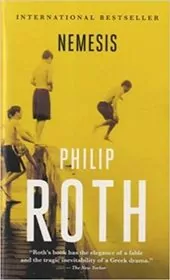
Nemesis
by Philip Roth
2010
Set in Newark during the polio epidemic of 1944, a playground director struggles with guilt as the disease ravages his community. The novel examines the randomness of tragedy and the heavy burden of responsibility.
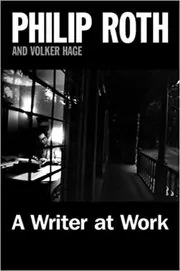
A Writer at Work
by Philip Roth & Volker Hage
2011
A collection of conversations and interviews with the German journalist Volker Hage. The book offers a behind-the-scenes look at Roth's daily routines, his creative process, and the development of his later novels.
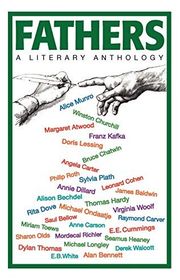
Fathers: A Literary Anthology
by André Gérard & Philip Roth
2011
Edited by André Gérard, this anthology brings together 49 personal essays and poems about fathers by American, British, and Canadian writers. The selections consider fatherhood, memory, distance, loss, and inheritance, with Philip Roth among the contributors.

Notes For My Biographer
by Philip Roth
2012
A book-length manuscript, intended as a rebuttal to a memoir by his former wife, which Roth ultimately withdrew from publication. It remains an unpublished but cataloged entry in his bibliography.
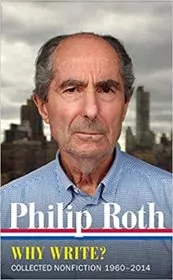
Why Write?
by Philip Roth
2017
The definitive collection of Roth’s non-fiction, gathering essays, cultural criticism, and interviews from over fifty years. It tracks his evolution as a public intellectual and his defense of artistic freedom.
Where to start with Philip Roth
If you want the breakout hit that made him famous:
Portnoy's Complaint
If you want his highly regarded American masterpiece:
American Pastoral → I Married a Communist → The Human Stain
If you prefer a gripping alternate history:
The Plot Against America
If you want to meet his famous alter ego, Nathan Zuckerman:
The Ghost Writer → Zuckerman Unbound → The Anatomy Lesson
Philip Roth sub-series and character series
Philip Roth collections, short stories, and related book types
Short Stories/Novellas
Short Story Collections
Non-Fiction
Anthologies
First Fiction: An Anthology of the First Published Stories by Famous Writers
by Kathy Kiernan, Margaret Atwood & Philip Roth
1994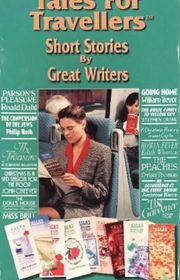
The Best American Short Stories of the Century
by John Updike, Cynthia Ozick, George Plimpton, Rosellen Brown & Philip Roth
2000
Baseball As America Seeing Ourselves Through Our National Game
by National Geographic & Philip Roth
2002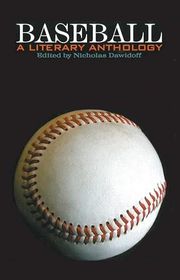
Standalone Philip Roth books
Author bio
Philip Roth was born in Newark, New Jersey, in 1933, growing up in the Weequahic neighborhood that would later become the vivid setting for much of his fiction. He attended Bucknell University and the University of Chicago, where he began a career in academia before his writing took center stage. His early work quickly drew attention, but it was his ability to mix high intelligence with raw, sometimes shocking humor that defined his voice.
He first made a name for himself with Goodbye, Columbus, a novella that won the National Book Award when he was only twenty-six. It captured the tensions of Jewish assimilation in post-war America, a theme he would return to often. But it was Portnoy’s Complaint in 1969 that turned him into a celebrity. The novel’s explicit, monologue-style confession of a lust-ridden young man was a scandal and a sensation, cementing Roth’s reputation as a fearless chronicler of male neurosis.
Over the decades, Roth developed several literary alter egos to explore the boundaries between life and art. The most famous, Nathan Zuckerman, appeared in numerous novels, evolving from a young apprentice to an aging observer of American history. Through Zuckerman, Roth investigated everything from the McCarthy era to the Clinton impeachment, often blurring the lines of his own biography in the process.
Another recurring character, David Kepesh, allowed Roth to dive deeper into questions of desire and the body. Whether turning into a breast or facing the indignities of old age, Kepesh gave Roth a vehicle for some of his most philosophical and erotic inquiries. These series weren’t just character studies; they were canvases for Roth to argue with himself and his readers about what it means to be an American.
In the 1990s, Roth entered a prolific phase that produced some of his most significant work, often called the American Trilogy. Books like American Pastoral moved beyond internal obsession to tackle the sweeping social forces of the 20th century. He won the Pulitzer Prize for this shift outward, examining how the radicalism of the 1960s upended the lives of ordinary families.
Toward the end of his life, his focus turned sharply toward mortality. His final books, sometimes grouped as "Nemeses," stripped away the complex meta-fictional games to look directly at illness, decline, and death. He announced his retirement from writing in 2012, a rare move for an author of his stature, and spent his final years quietly before passing away in 2018.
Readers tend to value Roth for his energetic, rhythmic prose and his refusal to look away from uncomfortable truths. Whether writing broad satire or tragic realism, he remained obsessed with the human capacity for self-delusion and the specific, chaotic energy of American life.




Edited by
Software engineer whose passion for tracking book recommendations from podcasts inspired the creation of MRB.
Lead investor at 3one4 Capital whose startup expertise and love for books helped shape MRB and its growth.
Comments
Did we miss something? Have feedback?
Help us improve this page by sharing your thoughts