
David Kepesh Books in Order
Part ofPhilip Roth Books in OrderThe David Kepesh books by Philip Roth, following the intellectual and erotic life of a literature professor from his youth to his final years.
Last updated:
As an Amazon Associate, we earn from qualifying purchases (at no extra cost to you).
David Kepesh books in publication order
3 books
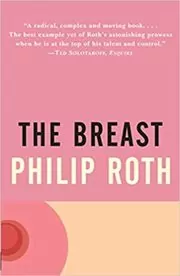
The Breast
by Philip Roth & David Colacci
1972
In this surreal novella, literature professor David Kepesh wakes up to find he has transformed into a massive female breast. The story explores themes of sexual identity and isolation through a bizarre, Kafkaesque premise.
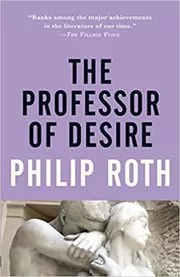
The Professor of Desire
by Philip Roth
1977
Following David Kepesh from his youth to his academic career, this novel examines the conflict between intellectual discipline and carnal lust. Kepesh searches for a balance between the orderly world of literature and the chaotic demands of his body.
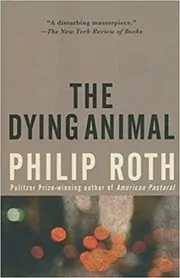
The Dying Animal
by Philip Roth
2001
An aging David Kepesh begins a passionate affair with a young student, Consuela. The novel is a stark meditation on the jealousy, vulnerability, and fear that accompany sexual desire in the face of approaching death.
David Kepesh books in chronological order
Series background & context
While Nathan Zuckerman is undoubtedly Philip Roth’s most famous literary stand-in, David Kepesh serves as a darker, more introspective counterpart. If Zuckerman is the vehicle for exploring the chaotic sweep of American history, Kepesh is the tool Roth uses to dig into the private, often embarrassing tyranny of the human body. He is a man defined by a lifelong struggle to balance his immense intellect with a libido that simply refuses to settle down.
The introduction to this character is jarring, to say the least.
In The Breast, published in 1972, Roth throws realism out the window. The novella sees Kepesh transformed overnight into a massive, conscious mammary gland. It is a surreal, Kafkaesque nightmare where the protagonist is stripped of his agency and reduced entirely to flesh. While it functions as a dark comedy, it establishes the central theme that haunts Kepesh forever: he is a prisoner of his own anatomy, endlessly at the mercy of physical forces he cannot control.
Things settle into a more recognizable reality with The Professor of Desire, which functions as a prequel of sorts. Here, we meet Kepesh as a young academic and literary critic. He is charming, articulate, and deeply devoted to the works of Chekhov and Kafka, yet he finds himself bored by stability. The novel traces his education and his travels to Europe, filling in the human contours of the character. We see a man who desperately wants to be a "good" person—a civilized scholar—but is constantly derailed by his hunger for erotic adventure.
He is a man who can quote the great moralists of Western civilization while making a wreck of his personal life.
The series concludes decades later with The Dying Animal. Kepesh is now an aging cultural critic, still teaching but acutely aware of his diminishing time. The plot centers on his intense, jealous affair with a much younger student, a relationship that exposes his vulnerability. The playfulness of the earlier books evaporates, replaced by a stark look at what happens when a hedonist faces the inevitable decay of the body.
Unlike the sprawling social commentary found in Roth’s other trilogies, the Kepesh books feel claustrophobic and intimate. They take place in bedrooms and lecture halls, focusing on the isolation of the self. Kepesh is often alone, even when he is with others, analyzing his sensations and fears with ruthless precision.
Ultimately, the Kepesh series is a study in decline. It moves from the farcical energy of youth to the somber realizations of old age. It offers a portrait of a man who lived for pleasure, only to find that the vessel for that pleasure—the body itself—was never built to last.












Edited by
Software engineer whose passion for tracking book recommendations from podcasts inspired the creation of MRB.
Lead investor at 3one4 Capital whose startup expertise and love for books helped shape MRB and its growth.
Comments
Did we miss something? Have feedback?
Help us improve this page by sharing your thoughts