
20 Best Philip Roth Books
The best Philip Roth books, ranked by how many expert sources recommend each one, with notes on who each novel suits and where new readers can start.
Our take
Philip Roth’s books move between sexual comedy, family conflict, literary self-invention and the pressure of American history. Jewish identity and life in Newark recur, but his range extends from intimate accounts of illness to alternate history and novels that contradict their own stories. Some books welcome a first encounter; others become more rewarding once you recognize his fictional writers and recurring arguments.
Goodbye, Columbus offers a novella and stories, while Portnoy's Complaint delivers an explicit comic monologue. Nathan Zuckerman’s literary life begins in The Ghost Writer and continues through novels of fame, pain and aging. The American Trilogy, beginning with American Pastoral, uses private lives to examine public upheaval. The Plot Against America supplies an accessible historical premise; The Counterlife takes a more experimental route. The memoir Patrimony and short novels such as Everyman and Nemesis concentrate on vulnerability and responsibility.
Start with Goodbye, Columbus for shorter fiction, or American Pastoral if you want Roth’s family drama on a larger historical canvas.
20 books · 8 sources · Last updated
As an Amazon Associate, we earn from qualifying purchases (at no extra cost to you).
Reading Philip Roth in order? See all Philip Roth books in order
How to choose from this list
Skip to the full rankingIf you want a shorter introduction: Goodbye, Columbus → The Ghost Writer
If you want the American Trilogy: American Pastoral → I Married a Communist → The Human Stain
If you want his most confrontational comedy: Portnoy's Complaint → Sabbath's Theater
If you want experimental fiction: The Counterlife → Operation Shylock
If you want family, illness and responsibility: Patrimony → Everyman → Nemesis
If you want alternate history: The Plot Against America
The 20 books, ranked
Ranked by how many expert sources name each book. Ties go to the book more people recommend.
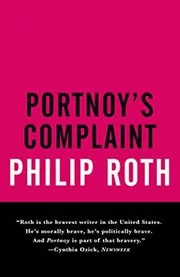
Portnoy's Complaint
For readers who want Roth at his most frantic and sexually explicit. The confessional monologue turns family guilt into sustained comic performance, but its relentless voice and treatment of women can make it an abrasive introduction.
What it's about
A monologue delivered from a psychoanalyst's couch, this novel is a frantic, hilarious confession of lust, guilt, and mother-obsession. Alexander Portnoy tries to make sense of his life as a Jewish son torn between his desires and his upbringing.
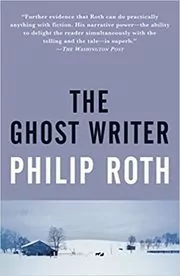
For readers drawn to writers, ambition and the obligations of Jewish memory. Its compact structure introduces Nathan Zuckerman through a charged literary visit, but the shifts between observation and imagination invite close reading.
What it's about
Young Nathan Zuckerman visits the home of his literary idol, E.I. Lonoff, and meets a mysterious young woman he imagines to be Anne Frank. The novel explores the burden of Jewish history and the sacrifices required for an artistic life.
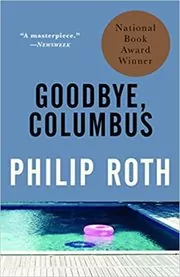
For newcomers who want Roth in a shorter, varied form. The novella and stories introduce class, Jewish identity and family tensions with youthful immediacy, though they offer less of the historical scope found in his later novels.
What it's about
A novella and short stories that examine the tensions between different social classes of Jewish Americans. The title story follows a summer romance between a working-class librarian from Newark and a wealthy suburban college student.
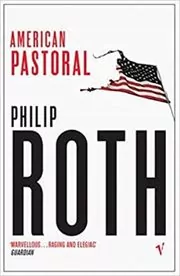
For readers who want a family story opened out into American history. Its patient reconstruction connects private expectations with public upheaval, but the extended reflection and descriptive passages demand more patience than Roth’s shorter novels.
What it's about
Seymour "Swede" Levov, a legendary high school athlete and successful businessman, sees his perfect American life destroyed when his daughter becomes a political terrorist. A tragic look at how the chaos of the 1960s upended post-war stability.
Also recommended by
1 person- Michiko Kakutani recommended this book
Michiko Kakutani
"Our favorite Roth book." - Michiko Kakutani
Michiko Kakutani's recommendation of this book
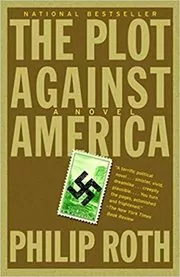
The Plot Against America
For readers who prefer a clear historical premise and the intimate perspective of a family. Its alternate America makes political fear concrete, but the documentary passages can interrupt the domestic story’s momentum.
What it's about
In an alternate history, aviation hero and isolationist Charles Lindbergh defeats Franklin Roosevelt in the 1940 presidential election. The novel follows a Jewish family in Newark as they watch their secure American lives threatened by the new administration’s anti-Semitic policies.
Also recommended by
1 person Daniel Pink recommended this book
Daniel Pink
Daniel Pink mentioned this book on "The Tim Ferriss Show" podcast.
Daniel Pink's recommendation of this book
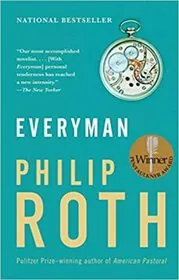
Everyman
For readers who want a short, direct encounter with Roth’s writing about mortality. Its bodily detail strips aging of comforting abstraction, but the sustained attention to illness and regret makes it a bleak starting point.
What it's about
A short, somber novel charting the medical history and declining health of an unnamed protagonist. It focuses on the physical realities of aging, illness, and the inevitable approach of death.
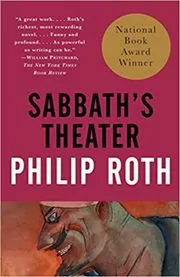
Sabbath's Theater
For readers willing to follow a repellent character through desire, grief and self-destruction. Its unruly comic voice gives Roth unusual freedom, but the sexual explicitness and sustained cruelty make it one of his more demanding choices.
What it's about
Mickey Sabbath, a disgraced puppeteer and unrepentant lecher, faces the death of his long-time mistress. This dark, comic novel explores grief, sexual obsession, and the refusal to go gently into old age.
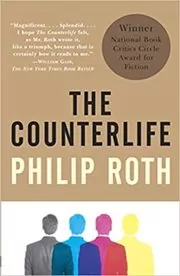
The Counterlife
For readers who enjoy novels that test their own possibilities. Its competing versions of events turn identity and storytelling into the action itself, but the contradictions make it a less straightforward starting point than Roth’s historical fiction.
What it's about
A complex, meta-fictional novel that presents conflicting versions of Nathan Zuckerman’s life and death. The story moves between New Jersey, London, and Israel, exploring the possibility of reinventing oneself and the fickle nature of destiny.
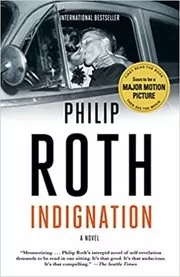
Indignation
For readers seeking a compact novel about conformity, conviction and unintended consequences. The college setting concentrates Roth’s conflicts into a focused story, but its bitterness and fatalistic atmosphere leave little room for relief.
What it's about
In 1951, a Jewish student from Newark attends a conservative college in Ohio to escape the Korean War draft. A small mistake and a clash with the dean lead to consequences that alter his fate forever.
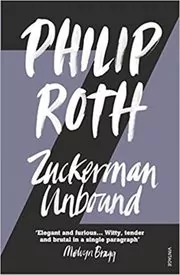
For readers who want to continue Nathan Zuckerman’s story after The Ghost Writer. Its comic scrutiny of literary celebrity reveals the costs of public success, but familiarity with the earlier novel makes the personal tensions richer.
What it's about
Nathan Zuckerman deals with the chaotic aftermath of publishing a scandalous bestseller. He faces death threats, fans, and the disapproval of his family, struggling to handle the sudden intrusion of the public into his private life.
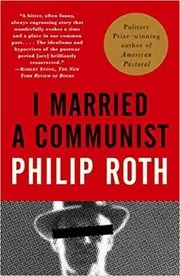
For readers interested in how political loyalty collides with friendship and marriage. Its remembered testimony gives betrayal a personal texture within the American Trilogy, but the layered narration and political arguments can slow the story.
What it's about
The story of Ira Ringold, a rough-hewn radio star brought down by the anti-Communist witch hunts of the 1950s. Nathan Zuckerman narrates this tale of betrayal, exploring how political hysteria can ruin personal lives.
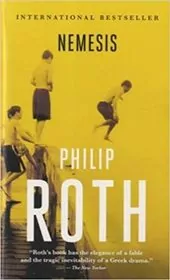
Nemesis
For readers who want a concise story about responsibility when events resist explanation. Its epidemic setting gives guilt a concrete moral pressure, but the restrained tragedy offers less comic relief than Roth’s earlier fiction.
What it's about
Set in Newark during the polio epidemic of 1944, a playground director struggles with guilt as the disease ravages his community. The novel examines the randomness of tragedy and the heavy burden of responsibility.
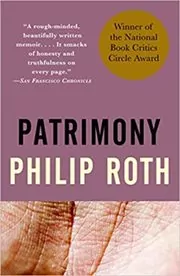
For readers who want Roth’s direct account of family responsibility rather than a fictional alter ego. Its attention to his father’s illness combines intimacy with unsentimental observation, but the medical detail can be emotionally difficult.
What it's about
A true story about Roth watching his tough, eighty-six-year-old father battle a brain tumor. It is a moving memoir about the bond between father and son, the indignities of illness, and the legacy of a difficult man.
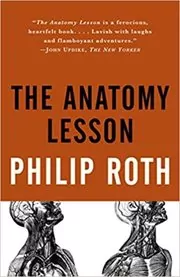
For readers following Zuckerman who want Roth’s comedy of bodily and artistic crisis. Its collisions between pain, ambition and self-doubt extend the earlier novels, but the narrator’s obsessive distress can feel deliberately exhausting.
What it's about
Suffering from undiagnosed chronic pain and a creative block, a middle-aged Nathan Zuckerman looks for a way out of his writing career. His physical agony drives him toward a medical profession, even as his past continues to haunt him.
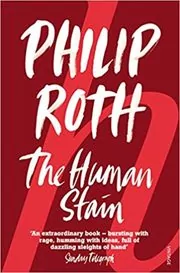
For readers drawn to identity, reputation and the damage of public judgment. Its layered reconstruction complicates easy moral verdicts, but the changes in perspective and the narrator’s speculations require attention rather than passive reading.
What it's about
A distinguished classics professor is forced to retire after a minor verbal slip is branded as racist. As Nathan Zuckerman uncovers the man's secret history, the novel exposes the hypocrisy and moral judgment of the late 1990s.
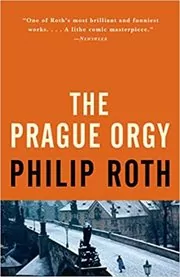
For readers completing the early Zuckerman sequence who want its political coda. Its compressed encounter with writers under censorship changes the scale of his literary concerns, but it gains context from the preceding novels.
What it's about
A novella in which Nathan Zuckerman travels to Soviet-occupied Prague to recover the manuscript of a martyred Yiddish writer. He encounters a surreal world of oppressed artists and state surveillance.
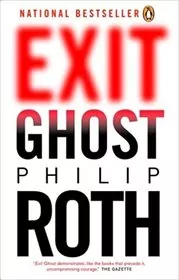
For readers who want to return to an older Nathan Zuckerman and the world of The Ghost Writer. Its attention to memory and decline gives the literary relationships added weight, but earlier familiarity strengthens its emotional force.
What it's about
After years of seclusion, Nathan Zuckerman returns to New York City and finds himself drawn into one final literary conflict. The novel serves as a farewell to Roth’s long-running alter ego as he confronts his own diminishing powers.
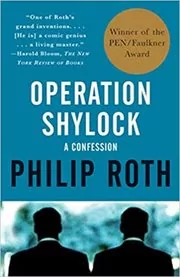
For readers comfortable with unstable identities and arguments that turn into comic performance. Its author-named protagonist and double push Roth’s self-invention further, but the dense political discussion and shifting reality demand concentration.
What it's about
Roth travels to Israel and discovers an impostor is using his name to promote a bizarre political movement. The novel blurs fact and fiction as the narrator confronts his double during the trial of an accused war criminal.
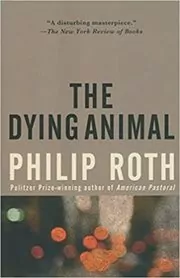
For readers interested in desire as a challenge to control and self-image. Its brief, intimate monologue exposes the narrator’s vulnerability, but his sexual fixation and unequal relationship with a student may be alienating.
What it's about
An aging David Kepesh begins a passionate affair with a young student, Consuela. The novel is a stark meditation on the jealousy, vulnerability, and fear that accompany sexual desire in the face of approaching death.
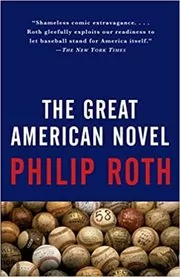
The Great American Novel
For readers who want Roth’s exuberant parody rather than intimate psychological realism. Its invented baseball world turns national mythology into sprawling farce, but the broad cast and extravagant wordplay can overwhelm a reader seeking restraint.
What it's about
A broad, comic satire about a fictional third major baseball league, the Patriot League, which has been erased from history. The story follows the homeless Ruppert Mundys, a team of misfits playing their games entirely on the road.
Sources
- 1
The Best Philip Roth Books, Ranked
penguinrandomhouse.com
- 2
5 Books by Philip Roth That Everyone Should Read
kirkusreviews.com
- 3
The Best Philip Roth Books
fivebooks.com
- 4
Seven Essential Philip Roth Books
esquire.com
- 5
10 Best Philip Roth Books (2025)
ereads.com
- 6
Best Philip Roth Books
goodreads.com
- 7
what is everyone’s favorite philip roth book
reddit.com
- 8
What was Philip Roth’s masterpiece?
reddit.com






Edited by
Software engineer whose passion for tracking book recommendations from podcasts inspired the creation of MRB.
Lead investor at 3one4 Capital whose startup expertise and love for books helped shape MRB and its growth.
Comments
Spotted a missing book, a wrong order or a mistake? Tell us and we'll fix this page.
We're a reading guide, not the author or publisher, so we can't send books or pass on messages.