
Our Vietnam Wars Books in Order
Part ofWilliam F Brown Books in OrderFind the Our Vietnam Wars books by William F Brown in order, with volume summaries, series background, and help picking the right place to begin.
Last updated:
As an Amazon Associate, we earn from qualifying purchases (at no extra cost to you).
Our Vietnam Wars books in publication order
4 books
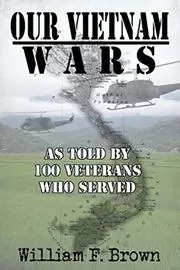
Our Vietnam Wars
by William F Brown
2018
The first volume gathers personal accounts from 100 veterans who served in Vietnam. Men and women across branches and roles describe what they did, what they saw, and how the war stayed with them afterward.
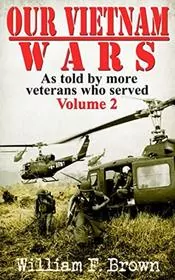
Our Vietnam Wars, Vol 2
by William F Brown
2018
Volume 2 expands the project with more first-person stories from Vietnam veterans. The result is a broader, more varied picture of service, survival, memory, and life after the war.
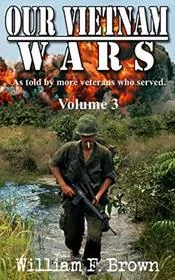
Our Vietnam Wars, Vol 3
by William F Brown
2019
The third volume adds still more veteran voices, showing again how many different wars Vietnam contained. Combat troops, support personnel, and others reflect on duty, danger, and what came after homecoming.
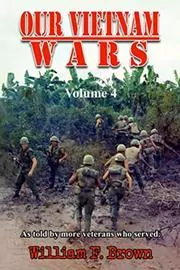
Our Vietnam Wars, Vol 4
by William F Brown
2020
The fourth volume continues Brown's oral history with more stories from American and allied veterans. Its range of roles and experiences gives the series an even wider, more personal sense of the war.
Our Vietnam Wars books in chronological order
Series background & context
Our Vietnam Wars is William F. Brown's nonfiction series, and it is very different from his thrillers in form, even if some of the same interests carry across. These books are built around first-person accounts from veterans who served in and around Vietnam, and Brown's goal is not to give readers one grand theory of the war. It is to let many people speak, in their own ways, about what they saw, what they did, and what followed them home.
That plural in the title matters.
Brown makes the point again and again that there was no single Vietnam experience. The people in these volumes came from different branches, different years, different units, different ranks, and different jobs. Some were infantrymen. Others were pilots, medics, nurses, engineers, artillerymen, truck drivers, sailors, mechanics, or clerks. Some were drafted. Some enlisted. Some saw constant combat. Others served in roles that are often left out when popular culture reduces the war to one kind of story.
That breadth is the series' real strength. Across four volumes, Brown builds a wide oral history that stretches from the Delta to the DMZ and from the years before full escalation into the long afterlife of service and memory. The books are not just about firefights. They are also about waiting, routine, fear, luck, boredom, friendship, loss, confusion, and the many ways veterans tried to make sense of what had happened once they were back in civilian life.
Brown's own Vietnam service gives the project some personal grounding, but he keeps the focus on the contributors. The tone is direct and accessible, not academic. Readers do not need a background in military history to get something from these books. In fact, part of the appeal is how quickly the stories turn large historical events back into individual voices.
This is history from the ground up.
The later volumes continue widening the picture rather than simply repeating it. Brown brings in more veterans and more roles, and the fourth book extends the frame to include allied voices as well, including Australians and New Zealanders. Photographs also play a part across the series, helping tie names and memories to faces, places, and moments that might otherwise feel abstract to later generations.
What you should expect, then, is not a single narrative arc, but a mosaic. One story may be tense and funny. The next may be painful. Another may focus less on combat than on what it felt like to come home. Taken together, they show why the war cannot be reduced to one movie, one campaign, one unit, or one stereotype.
If you are coming to Brown for the first time and want something personal, reflective, and rooted in lived experience, this is a strong place to begin. Our Vietnam Wars is less about argument than witness, and that is exactly why the series works.






Edited by
Software engineer whose passion for tracking book recommendations from podcasts inspired the creation of MRB.
Lead investor at 3one4 Capital whose startup expertise and love for books helped shape MRB and its growth.
Comments
Did we miss something? Have feedback?
Help us improve this page by sharing your thoughts