
Sumuru Books in Order
Part ofSax Rohmer Books in OrderBrowse the Sumuru series by Sax Rohmer in order, with brief summaries, series background, reading order, and advice on where to start.
Last updated:
As an Amazon Associate, we earn from qualifying purchases (at no extra cost to you).
Sumuru books in publication order
5 books
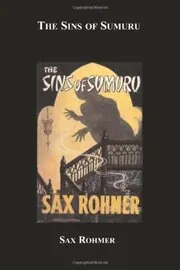
The Sins of Sumuru / Nude in Mink
by Sax Rohmer
1950
Sumuru makes her first full entrance, launching a sleek and dangerous conspiracy run through beauty, discipline, and fear. The book reads like postwar pulp espionage with a supervillain at the center.
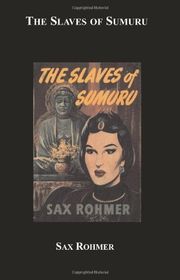
Sumuru / The Slaves of Sumuru
by Sax Rohmer
1951
Sumuru's network grows wider as she recruits, manipulates, and punishes in pursuit of power. The story doubles down on secret orders, psychological control, and elegant menace.
Virgin in Flames / The Fire Goddess
by Sax Rohmer
1953
The Sumuru saga stretches into the Caribbean, where ritual, fire, and brainwashing become part of her expanding design. Rohmer keeps the tone lurid, fast, and just a little feverish.
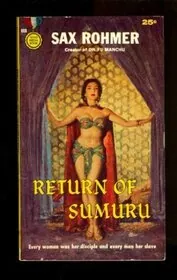
Return Of Sumuru / Sand and Satin
by Sax Rohmer
1954
Sumuru returns with another polished and ruthless scheme, forcing her pursuers back into a deadly cat-and-mouse game. The glamour is still there, but so is the cruelty.

Sinister Madonna
by Sax Rohmer
2020
Inspector Gilligan closes in on Sumuru as stolen relics, missing patients, and the hunt for the Seal of Solomon begin to overlap. It is a late Rohmer thriller with real bite.
Sumuru books in chronological order
Series background & context
Sumuru is often described as a female counterpart to Fu Manchu, and that is a useful starting point, but it does not tell the whole story. Like Fu Manchu, she is a master schemer with an international reach, a talent for psychological control, and a gift for staying several steps ahead of the law. Unlike Fu Manchu, she works through glamour, seduction, recruitment, and a carefully built female order that aims to reshape power itself.
These books belong to Rohmer's late career, and they feel different from the Edwardian Fu Manchu novels. They are leaner, more openly sensational, and closer to postwar paperback thrillers. The settings move through hotels, villas, private clinics, islands, hidden compounds, and cosmopolitan cities. The mood is sleek, restless, and a little dangerous in a new way.
Sumuru leads the Order of Our Lady, a secret network of women who are trained, disciplined, and often terrifyingly loyal. Her stated ideal is a world remade on her terms, with beauty, control, and female rule replacing the violence and chaos she sees in male power. That gives the series a strange mix of camp, menace, and ideological obsession. She is not just stealing jewels or arranging one murder. She is trying to reorder the world.
That is the hook.
The people chasing her vary from book to book, but the recurring pressure often comes from police investigators and unlucky men who get too close to her designs. In the later books, Inspector Gilligan becomes an important pursuer. Rohmer is less interested here in fair-play detection than in the cat-and-mouse game itself. Sumuru builds a web, someone stumbles into it, and the story becomes a test of whether anyone can get back out.
The novels, The Sins of Sumuru, Sumuru, Virgin in Flames, Return Of Sumuru, and Sinister Madonna, also show Rohmer adapting to a new reading world. There is still mystery, but there is more espionage flavor, more sexual threat, and more fascination with organized manipulation than in many of his earlier books. Film adaptations followed, which makes sense. The series is visual, pulpy, and built around a villain who dominates every scene she enters.
If you want late Rohmer at his most extravagant, Sumuru is the place to look. These books are strange, fast, and often outrageous, but they never forget that the center of the show is one woman with a vision, a network, and absolutely no intention of playing fair.











Edited by
Software engineer whose passion for tracking book recommendations from podcasts inspired the creation of MRB.
Lead investor at 3one4 Capital whose startup expertise and love for books helped shape MRB and its growth.
Comments
Did we miss something? Have feedback?
Help us improve this page by sharing your thoughts