
Norman Quartet Books in Order
Part ofValerie Anand Books in OrderDiscover the Norman Quartet by Valerie Anand in order, with summaries, Norman Conquest background, and an easy recommendation for where to start.
Last updated:
As an Amazon Associate, we earn from qualifying purchases (at no extra cost to you).
Norman Quartet books in publication order
4 books

Gildenford
by Valerie Anand
1977
Before the Norman Conquest, Brand Woodcutter serves Earl Godwin and learns secrets surrounding a royal betrayal at Gildenford. As England's succession crisis deepens, Brand must choose between his lord, his conscience, and his king.

The Norman Pretender
by Valerie Anand
1979
England moves toward 1066 as Harold Godwinson struggles to protect a fragile kingdom and Duke William presses his claim. Oaths, family conflict, and political ambition push the country toward the Battle of Hastings.
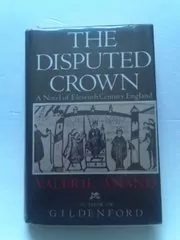
The Disputed Crown
by Valerie Anand
1982
William the Conqueror holds England, but rebellion survives in the fens and north. Through divided families, strategic marriages, and bitter resistance, the novel follows those forced to choose between accommodation and defiance.

King of the Wood
by Valerie Anand
1988
Young Norman Ralph de Aix seeks a future in England and catches the attention of King William Rufus. Court favor, the New Forest, and dangerous secrets draw him into a conflict where ambition carries a brutal price.
Norman Quartet books in chronological order
Series background & context
Valerie Anand's Norman Quartet explores England before, during, and after the Norman Conquest. The sequence begins with Gildenford, continues through The Norman Pretender and The Disputed Crown, and concludes with King of the Wood. Together, the books cover decades when a change of ruler transformed landholding, loyalty, language, and everyday life across England.
The opening novel starts in the years before 1066. Gildenford follows Brand Woodcutter, a man close enough to the household of Earl Godwin to witness secrets that could affect the kingdom. As royal succession becomes increasingly uncertain, Brand has to weigh personal loyalty against conscience. The story brings major figures such as Edward the Confessor and the Godwin family into view without losing sight of people caught beneath them.
Nobody knows the future is coming.
The Norman Pretender moves toward the crisis of 1066, as Harold Godwinson, Duke William of Normandy, and others circle the English crown. The book looks at ambition, broken promises, family division, and the hard choices that lead toward Hastings. It treats conquest as something made by individual decisions as well as armies.
In The Disputed Crown, William has taken England, but his rule is far from secure. Resistance continues, English and Norman families are forced into uneasy arrangements, and marriages become tools of survival or control. The novel follows the conflict from several sides, including people who want peace and people who cannot accept the new order.
King of the Wood takes place during the reign of William Rufus. Ralph de Aix arrives from Normandy hoping to make a life in England, then finds himself drawn into the king's court and the dangerous politics around the New Forest. The story brings the sequence's central questions into a later generation: who benefits from power, who pays for it, and what happens when private desire collides with royal ambition?
These are historical novels with a large cast and real political stakes, but they are not only about famous rulers. Anand makes room for servants, farmers, wives, children, and minor landholders, people whose safety depends on decisions made by nobles. The result is a broad view of conquest as a lived experience.
Start with Gildenford. The first three books form the core arc around the Conquest, while King of the Wood works as a later continuation in the same historical world.











Edited by
Software engineer whose passion for tracking book recommendations from podcasts inspired the creation of MRB.
Lead investor at 3one4 Capital whose startup expertise and love for books helped shape MRB and its growth.
Comments
Did we miss something? Have feedback?
Help us improve this page by sharing your thoughts