
Joyce Carol Oates Books in Order
Explore the Joyce Carol Oates books in order, with quick summaries, recurring themes, and simple starting points for Joyce Carol Oates's sprawling body of work.
Last updated: 8 new books added
As an Amazon Associate, we earn from qualifying purchases (at no extra cost to you).
Joyce Carol Oates books in publication order
180 books
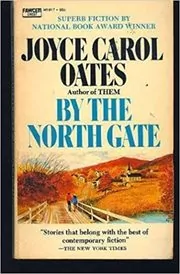
By the North Gate
by Joyce Carol Oates
1963
These early stories follow people confronting poverty, cruelty and the tension between youthful hope and adult disillusionment. Set within recognisable communities, they explore how violence and injustice can emerge from ordinary relationships as well as encounters with strangers.
With Shuddering Fall
by Joyce Carol Oates
1964
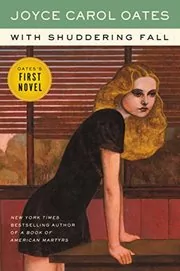
Seventeen-year-old Karen leaves the authority of her father for an obsessive relationship with racing driver Shar. Their attraction becomes a struggle for power, drawing family tensions, emotional loss and violence into a love neither can easily control.
The Goddess and Other Women
by Joyce Carol Oates
1966
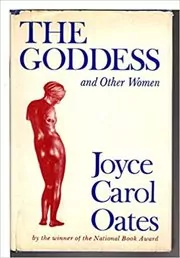
Women and girls face crises of identity, desire and dependence in these twenty-five stories. From a child caught in adults’ troubling games to young women seeking love, the collection examines the roles others expect them to inhabit.
Upon the Sweeping Flood
by Joyce Carol Oates
1966
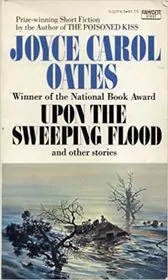
These stories place ordinary people under pressures that expose cruelty, fear and unstable ideas of order. In the title story, a man caught in rising floodwater finds his confidence in discipline tested by an encounter with two young strangers.
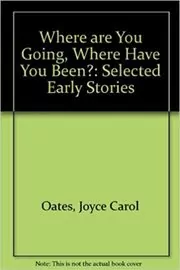
Where Are You Going, Where Have You Been?
by Joyce Carol Oates
1966
This selection gathers stories from Oates’s early career, including the encounter between adolescent Connie and the unsettling Arnold Friend. Across the collection, family tensions, desire and violence disturb the boundaries between ordinary life and experiences that change it.
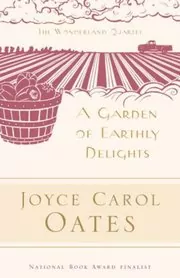
A Garden of Earthly Delights
by Joyce Carol Oates
1967
Clara Walpole grows up among migrant farmworkers and longs to escape the poverty shaping her childhood. As relationships offer possible routes toward security, her pursuit of a different life becomes tangled with dependence, ambition and the demands of family.
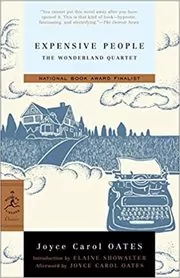
Expensive People
by Joyce Carol Oates
1968
Precocious Richard Everett recounts his childhood in an affluent suburb, studying parents whose successful lives leave him alienated. His account exposes the insecurity beneath private schooling and comfortable homes, as resentment strains the family’s carefully maintained image.
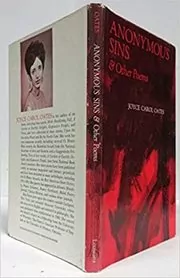
Anonymous Sins and Other Poems
by Joyce Carol Oates
1969
Oates’s early poems explore shifting states of feeling and perception, returning to love, pain, dreams and death. Rather than following a single narrative, the collection traces inward disturbances and the uneasy ways people experience themselves and others.
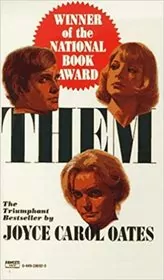
Them
by Joyce Carol Oates
1969
Loretta Wendall and her children, Maureen and Jules, struggle for love and security amid poverty and violence in Detroit. Their intertwined lives trace the pressures of class and race as each searches for a future beyond the family’s hardships.
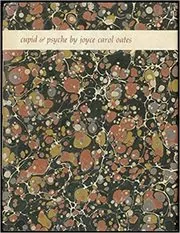
Cupid & Psyche
by Joyce Carol Oates
1970
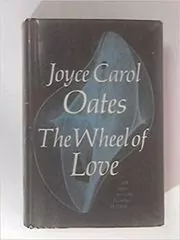
The Wheel of Love and Other Stories
by Joyce Carol Oates
1970
These stories explore desire, isolation and the uncertain connections between people. A troubled adolescent faces a disturbing visitor, while other characters confront relationships and private fears that make familiar lives difficult to understand or control.
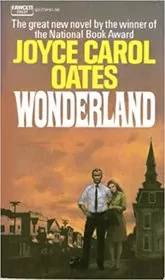
Wonderland
by Joyce Carol Oates
1971
After surviving a devastating family tragedy, Jesse Vogel moves through foster care, education and a career in medicine. His pursuit of stability and achievement unfolds across decades, with the losses of childhood continuing to shape his ambitions and relationships.
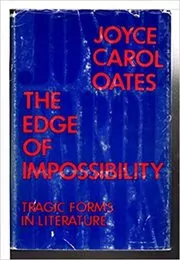
The Edge Of Impossibility
by Joyce Carol Oates
1972
Oates examines tragic forms in literature through essays on writers including Shakespeare, Chekhov and Yeats. Her readings consider how imaginative works confront reality, death and the limits of human experience, and how tragedy expresses those difficult encounters.
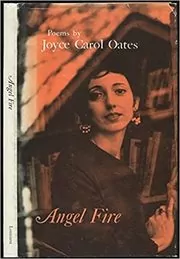
Angel Fire
by Joyce Carol Oates
1973
Nightmares, city graveyards, family life, and small domestic revelations shape this poetry collection. Its poems follow a mind through emotional and spiritual uncertainty, linking private experiences to the wider struggle to understand suffering and human connection.
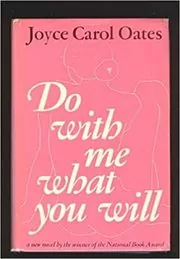
Do With Me What You Will
by Joyce Carol Oates
1973
Elena Howe carries the effects of a traumatic childhood into adulthood, marriage and an affair with lawyer Jack Morrissey. Their relationship connects private desire with questions of power, criminal justice and the uncertain boundary between protection and possession.
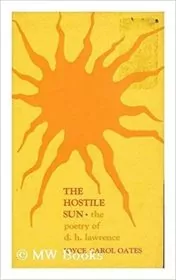
Hostile Sun
by Joyce Carol Oates
1973
This critical study examines D. H. Lawrence’s poetry and its attention to living creatures, desire and the self. Oates considers how his encounters with the natural world become moments of revelation, conflict and resistance to human self-importance.
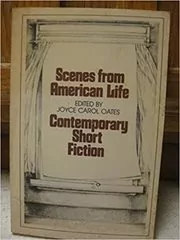
Scenes From American Life
by Joyce Carol Oates
1973
Edited by Joyce Carol Oates, this anthology brings together contemporary American stories by writers including John Updike, Flannery O’Connor, Bernard Malamud and Eudora Welty. Varied voices and narrative approaches offer different views of American lives and relationships.
Love and Its Derangements and Other Poems
by Joyce Carol Oates
1974
This volume brings together Anonymous Sins and Other Poems, Love and Its Derangements, and Angel Fire. The poems move through intimate feeling and emotional disorder, exploring the uncertainty of love alongside inward experiences of pain, fear and selfhood.
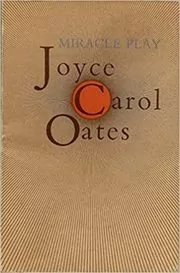
Miracle Play
by Joyce Carol Oates
1974
A dispute over stolen heroin pits Titus Skinner against teenage Beattie Roscoe and draws their relatives into retaliation. This urban crime drama follows people caught in a cycle of intimidation and violence that threatens to escalate.
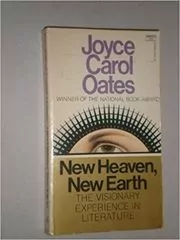
New Heaven New Earth
by Joyce Carol Oates
1974
These literary essays examine visionary experience in writers including Virginia Woolf, Flannery O’Connor and Franz Kafka. Oates explores how fiction transforms ordinary perception, approaching the altered awareness and imagined worlds that give each writer’s work its distinctive force.
The Hungry Ghosts
by Joyce Carol Oates
1974
Seven stories use comedy and literary allusion to expose frustrated desire and the fragile defences people build around themselves. Academic lives and relationships become sites of malice, pretension and uncertainty as carefully maintained identities encounter unwelcome pressures.
The Assassins
by Joyce Carol Oates
1975
After political figure Andrew Petrie’s death, his widow Yvonne and brothers Hugh and Stephen confront the feelings he dominated while alive. Their separate accounts explore love, hatred, guilt and the isolation left behind when a family’s central figure disappears.
The Fabulous Beasts
by Joyce Carol Oates
1975
These poems examine the individual self in relation to history, nature and a wider human consciousness. Moving between verse and prose poems, Oates explores the struggle to live within time and the unsettling possibility of identity extending beyond personal experience.
The Poisoned Kiss
by Joyce Carol Oates
1975
Presented through an imaginary Portuguese writer, these short fables and parables explore desire, faith and unsettling moral questions. Oates uses the fictional translation frame to enter a different narrative voice, creating stories whose strangeness unsettles familiar expectations.
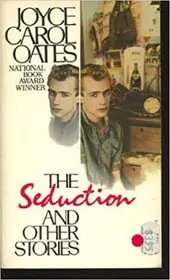
The Seduction
by Joyce Carol Oates
1975
This collection brings together sixteen stories, including The Dreaming Woman, The Seduction and An American Adventure. Encounters and private longings unsettle everyday experience, as people navigate desire, uncertainty and the different stories they tell about themselves.
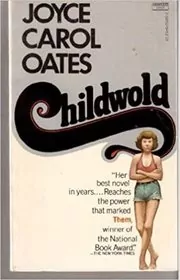
Childwold
by Joyce Carol Oates
1976
Writer Kasch becomes fascinated by fourteen-year-old Laney Bartlett and drawn into her mother Arlene’s life. Their uneasy relationships unfold within a rural community, where the need for affection and belonging is complicated by obsession, jealousy and conflicting desires.
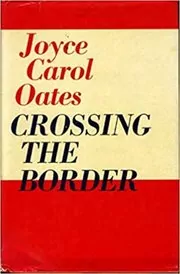
Crossing the Border
by Joyce Carol Oates
1976
Americans Renée and Evan Maynard move to Canada, but crossing a national border does little to settle tensions within their marriage. Their linked stories sit among other tales exploring boundaries between people, places and the lives they hope to build.
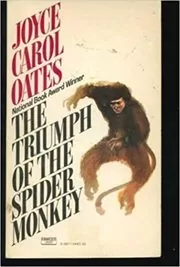
The Triumph of the Spider Monkey
by Joyce Carol Oates
1976
Abandoned in infancy and raised through abusive homes and detention centres, Bobbie Gotteson heads to Hollywood hoping to become a musician. His account exposes the rage, delusions and hunger for recognition that accompany his capacity for violence.
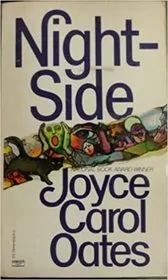
Night-Side
by Joyce Carol Oates
1977
Eighteen stories enter lives disturbed by fear, alienation and uncertain realities. The title tale follows investigators of psychic phenomena, while the surrounding stories turn familiar encounters and private troubles toward the unsettling territory between reason and dread.
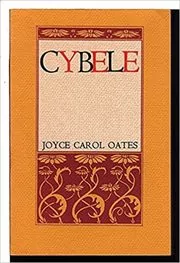
Cybele
by Joyce Carol Oates
1978
Forty-year-old Edwin Locke begins an extramarital affair in the hope of finding passion and a clearer sense of himself. When the novelty fades, his pursuit of further encounters becomes an increasingly troubling exploration of desire, obsession and self-deception.
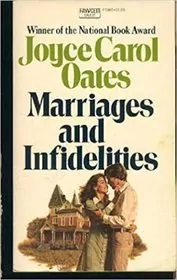
Marriages and Infidelities
by Joyce Carol Oates
1978
These stories examine love, loyalty and betrayal through relationships that rarely fit their participants’ expectations. Some echo earlier literary works, using familiar narrative shapes to explore the unstable arrangements people make around marriage, desire and private need.
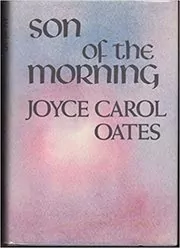
Son of the Morning
by Joyce Carol Oates
1978
Nathan Vickery grows up between his grandmother’s devout Christianity and his grandfather’s disbelief, then begins experiencing religious visions. His developing identity as a preacher draws family trauma, faith and the demands of public devotion into conflict.
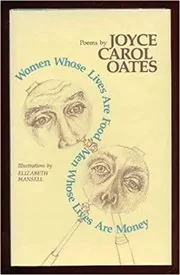
Women Whose Lives Are Food, Men Whose Lives Are Money
by Joyce Carol Oates
1978
These poems examine everyday lives shaped by domestic routine, money and desire. Oates considers the changing boundaries of individual identity, using intimate experience and social roles to explore how people connect with others in life and death.
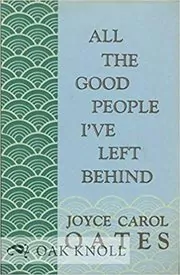
All the Good People I've Left Behind
by Joyce Carol Oates
1979
These stories follow people negotiating relationships, social expectations and private disappointments. Moving through increasingly educated and urban settings, Oates examines the unease beneath ordinary interactions and the emotional consequences of lives that appear settled from outside.
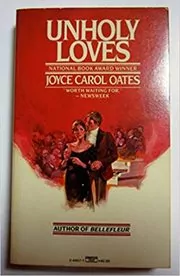
Unholy Loves
by Joyce Carol Oates
1979
At Woodslee University, literary reputations and academic ambitions collide with affairs, insecurity and professional rivalry. Faculty gatherings and a distinguished visiting poet expose the uneasy mixture of admiration, resentment and personal need behind the institution’s cultured public life.
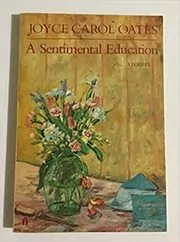
A Sentimental Education
by Joyce Carol Oates
1980
Five stories and a novella explore emotional education through troubled encounters and family histories. In one story, an honoured writer meets the son of a former lover, bringing the lasting consequences of an old affair into an unexpected confrontation.
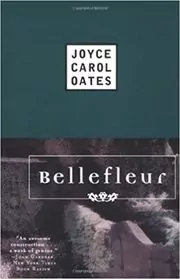
Bellefleur
by Joyce Carol Oates
1980
The wealthy Bellefleur family inhabits a vast estate where generations of ambition, conflict and uncanny events overlap. Gideon and Leah’s household becomes the centre of a Gothic chronicle examining the power, inheritance and strange history behind the family’s position.
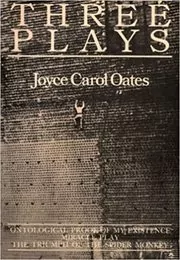
Three Plays
by Joyce Carol Oates
1980
This collection brings together Ontological Proof of My Existence, Miracle Play and a dramatic version of The Triumph of the Spider Monkey. Oates moves her explorations of identity and disturbing human experience into dialogue and performance across three stage works.
Angel of Light
by Joyce Carol Oates
1981
After justice commissioner Maurice Halleck dies in a car accident, his children Owen and Kirsten suspect their mother’s involvement. Their search for justice draws them into a story of family loyalty, political power and the dangerous claims of revenge.
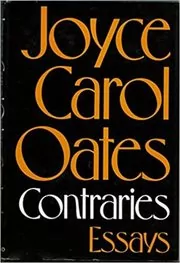
Contraries
by Joyce Carol Oates
1981
Seven essays explore contradictions in literary works by writers including Dostoevsky, Conrad, Wilde, Lawrence and Joyce. Oates reads questions of tragedy, identity and transcendence through specific texts, examining how opposing ideas become part of their imaginative force.
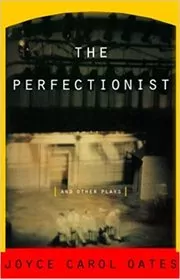
The Perfectionist
by Joyce Carol Oates
1981
These plays examine the demands people place on themselves and one another. The title piece follows Tobias Harte's obsession with perfection, while other dramas expose uneasy relationships, conflicting loyalties, and the damage hidden within apparently ordinary encounters.
A Bloodsmoor Romance
by Joyce Carol Oates
1982
Five sisters in nineteenth-century Pennsylvania face abduction, scandal, and competing expectations about marriage and respectability. An opinionated narrator follows their diverging lives, revealing the tensions between women's desires and the social rules meant to contain them.
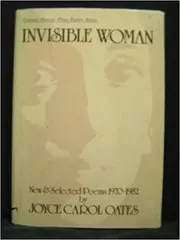
Invisible Woman
by Joyce Carol Oates
1982
This collection brings together new poems and selections from Oates's earlier poetry. Images of love, bereavement, and women's unseen lives connect intimate experience with the difficulty of being recognized and understood by other people.
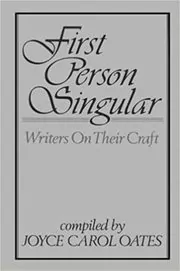
First Person Singular
by Joyce Carol Oates
1984
Edited by Joyce Carol Oates, this anthology gathers writers' reflections on their craft. The contributors examine the experiences and decisions behind their work, offering different accounts of how writing develops and what a writer's life involves.
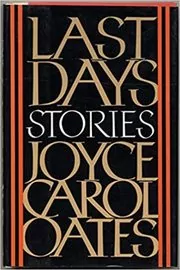
Last Days
by Joyce Carol Oates
1984
Americans traveling abroad encounter unfamiliar political realities and discover how vulnerable their assumptions can be. These stories also turn toward life at home, exploring death, estrangement, and the uneasy distances between people who believe they understand one another.
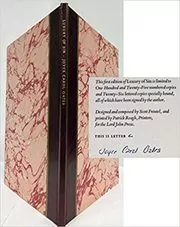
Luxury of Sin
by Joyce Carol Oates
1984
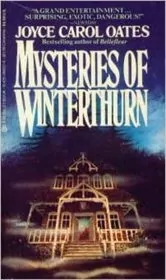
Mysteries of Winterthurn
by Joyce Carol Oates
1984
Detective Xavier Kilgarvan investigates three disturbing mysteries in Winterthurn, a town shadowed by family secrets and social prejudice. His inquiries unsettle familiar explanations, bringing crime, religious fear, and his attachment to his cousin Perdita into uneasy contact.
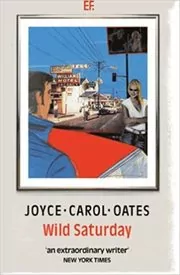
Wild Saturday
by Joyce Carol Oates
1984
These stories explore unsettling encounters and fragile family connections. In the title story, a boy spends Saturday with his divorced father and the father's girlfriend, finding that their promised excitement leaves little room for his own needs.
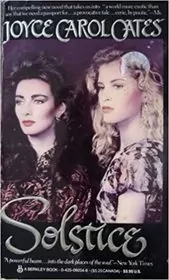
Solstice
by Joyce Carol Oates
1985
Recovering from a failed marriage, teacher Monica Jensen befriends Sheila Trask, a widowed painter whose confidence unsettles and attracts her. Their increasingly intense friendship tests the boundaries between affection, dependence, and each woman's need for an independent life.
The Profane Art
by Joyce Carol Oates
1985
Oates examines fiction, poetry, and the lives of writers in this collection of essays and reviews. Discussions of authors including Faulkner, Lawrence, and Colette consider artistic choices, portrayals of women, and the relationship between literature and experience.
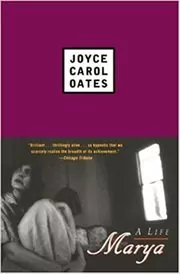
Marya
by Joyce Carol Oates
1986
Abandoned as a child in rural New York, Marya Knauer seeks a different life through education and writing. Relationships with teachers, relatives, and lovers shape her ambitions, while the wounds of childhood continue to complicate her independence.
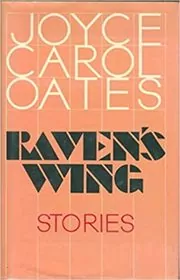
Raven's Wing
by Joyce Carol Oates
1986
These stories find fear, violence, and emotional distance within ordinary lives. In the title story, a pregnant woman drawn toward a horse finds a kind of comfort missing from her marriage, exposing the loneliness beneath domestic routines.
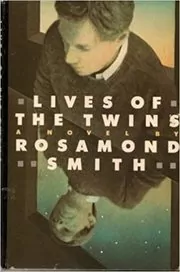
Lives of the Twins
by Joyce Carol Oates
1987
Molly Marks becomes involved with her psychiatrist, Jonathan, whose reluctance to discuss his identical twin fuels her curiosity. When she seeks out the brother, attraction and uncertainty draw her into a dangerous struggle to distinguish the two men.
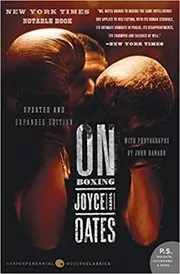
On Boxing
by Joyce Carol Oates
1987
Oates considers boxing as sport, spectacle, and an expression of American violence. Through fighters, bouts, and the culture surrounding them, she explores race, class, masculinity, and the unsettling attraction of watching bodies pushed toward their limits.
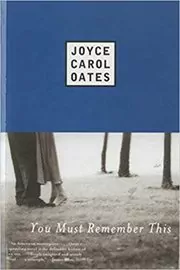
You Must Remember This
by Joyce Carol Oates
1987
In a New York town during the 1950s, the Stevick family's respectable appearance conceals frustrated desires. Teenage Enid's attachment to her uncle Felix, a former boxer, brings forbidden intimacy into conflict with the family's expectations and silences.
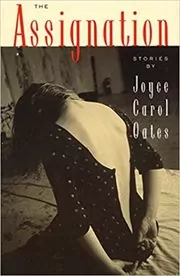
The Assignation
by Joyce Carol Oates
1988
Brief encounters, remembered intimacies, and sudden disruptions shape these miniature stories. A stranger's invitation or a lover's failure to recognize someone can expose the uncertainty beneath everyday life, leaving characters caught between longing, memory, and danger.
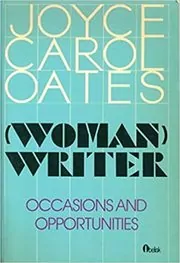
Woman Writer
by Joyce Carol Oates
1988
Oates brings together essays on literature, art, and the experience of being a woman who writes. Reflections on authors and creative work explore identity, artistic freedom, and the expectations that influence how writers are understood.
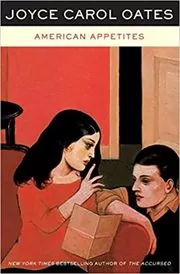
American Appetites
by Joyce Carol Oates
1989
A drunken argument about infidelity turns deadly for Ian and Glynnis McCullough, a successful couple with a long marriage. As Ian faces a trial, their comfortable social world exposes the jealousies and loyalties beneath its cultivated surface.
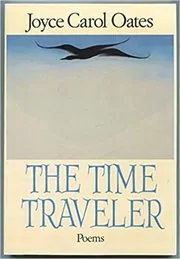
Time Traveler
by Joyce Carol Oates
1989
Travel, political unease, remembered love, and loss run through this poetry collection. Poems set in Eastern Europe sit alongside elegies and responses to art, tracing how journeys and recollections alter the speaker's sense of time and belonging.
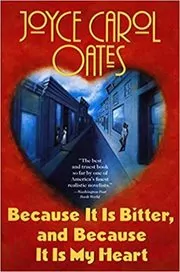
Because It Is Bitter, and Because It Is My Heart
by Joyce Carol Oates
1990
In a racially divided New York town, Iris Courtney witnesses Jinx Fairchild kill a white man while protecting her. Their shared secret binds them through attraction and guilt, even as racial boundaries push their lives in different directions.
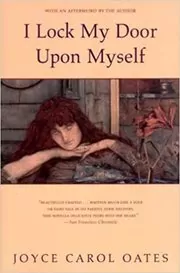
I Lock My Door Upon Myself
by Joyce Carol Oates
1990
In early twentieth-century New York, Calla Honeystone's unhappy marriage is disrupted by her love for a Black water diviner. Her granddaughter reconstructs the story, exploring the desires and community judgments that surround a woman who resists conventional family life.
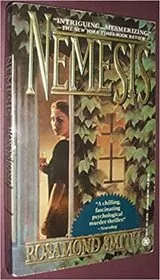
Nemesis
by Joyce Carol Oates
1990
Piano teacher Maggie Blackburn becomes concerned about Brendan Bauer, a young man assaulted by a powerful composer. When the composer is murdered and Brendan falls under suspicion, Maggie's search for the truth draws her into dangerous emotional entanglements.
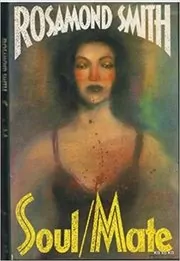
Soul Mate
by Joyce Carol Oates
1990
Widowed museum worker Dorothea Deverell is captivated by the younger Colin Asch. She doesn't know that his devotion conceals a murderous determination to remove anyone who might stand between them, turning the promise of love into a threat.
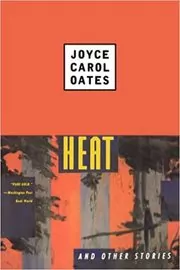
Heat
by Joyce Carol Oates
1991
These stories explore the violence and emotional pressure beneath family relationships and everyday encounters. The title story recalls the killing of twin girls, while other pieces examine damaged attachments, racial tensions, and the vulnerabilities people try to hide.
I Stand Before You Naked
by Joyce Carol Oates
1991
Women's voices form a collage of monologues about desire, fear, relationships, and the strain of being seen. Moving between humor and distress, the play gives its speakers room to reveal experiences that their public lives often conceal.
Oates in Exile
by Joyce Carol Oates
1991
Sixteen stories first published in Exile explore ordinary lives unsettled by hidden impulses and strained relationships. Ranging from brief narratives to more traditional tales, the collection follows people whose apparently familiar worlds hover close to emotional upheaval.
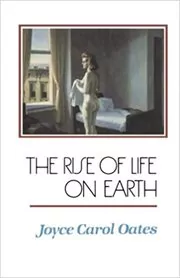
The Rise of Life on Earth
by Joyce Carol Oates
1991
After a violent childhood, Kathleen Hennessy becomes a hospital aide in Detroit. Others mistake her quiet manner for submission, overlooking the anger that grows as poverty, exploitation, and abuse shape her encounters with the people around her.
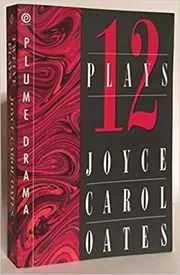
Twelve Plays
by Joyce Carol Oates
1991
These plays bring family conflict, public disasters, illness, and women's private experiences onto the stage. Through monologues and experimental exchanges, Oates explores the voices of people confronting loss, toxic surroundings, and relationships that resist easy explanation.
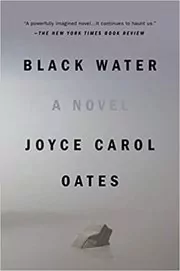
Black Water
by Joyce Carol Oates
1992
A young woman accompanies a senator after a holiday party, only to become trapped when his car plunges into water. As she struggles to survive, memories reveal the hopes and assumptions that led her to trust him.
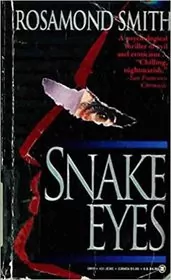
Snake Eyes
by Joyce Carol Oates
1992
Lawyer Michael O'Meara helps a convicted killer escape death row and begin a new life as an artist. When the man enters Michael's affluent community and attracts his wife's interest, Michael's faith in rehabilitation faces an increasingly personal test.
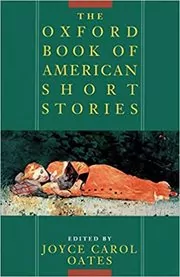
The Oxford Book of American Short Stories
by Joyce Carol Oates
1992
Edited by Joyce Carol Oates, this anthology follows the American short story across changing literary traditions. Familiar classics appear alongside less familiar voices, showing how different writers use brief fiction to explore American lives and experiences.
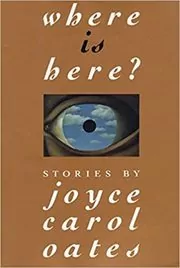
Where is Here?
by Joyce Carol Oates
1992
These short stories turn ordinary situations into moments of uncertainty, fear, and loss. In the title piece, a stranger's visit to his former home unsettles its current occupants, revealing how familiar places can harbor disturbing emotional histories.
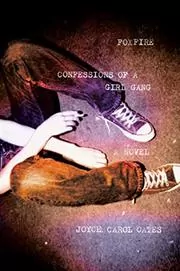
Foxfire
by Joyce Carol Oates
1993
Five teenage girls form the Foxfire gang in a 1950s New York town, pledging loyalty and resistance to male abuse. Led by Legs Sadovsky, their search for freedom turns increasingly confrontational, testing the solidarity that brought them together.
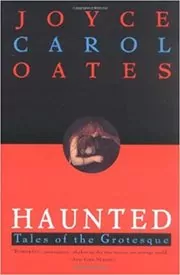
Haunted
by Joyce Carol Oates
1994
Ghost stories and psychological terrors unsettle ordinary homes, memories, and relationships in this collection. Oates draws on Gothic traditions while exploring the fear that familiar people and places may conceal dangers their inhabitants cannot fully understand.
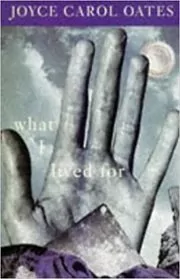
What I Lived For
by Joyce Carol Oates
1994
Wealthy developer and councilman Corky Corcoran believes he can manage business, politics, and women on his own terms. Over a holiday weekend, troubling events expose corruption and buried history, threatening the success on which he has built his identity.
The Life of the Writer, the Life of the Career
by Joyce Carol Oates
1995
You Can't Catch Me
by Joyce Carol Oates
1995
A woman mistakes book collector Tristram Heade for a man with whom she claims to have been involved. His decision to play along draws him into another person's dangerous life, blurring identity, desire, and the consequences of deception.
Zombie
by Joyce Carol Oates
1995
Newly paroled offender Quentin P. records his obsessive plan to create a helpless human companion through amateur brain surgery. His journal reveals the calculations and distorted justifications behind violence that remains largely hidden from the people around him.
Demon
by Joyce Carol Oates
1996
Seven tales bring unsettling mysteries into worlds that otherwise resemble ordinary life. Their characters confront inexplicable experiences that disturb assumptions about reality and identity, turning familiar surroundings into places where certainty and personal safety become difficult to maintain.
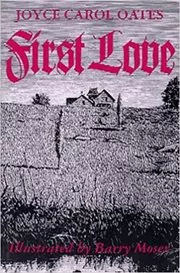
First Love
by Joyce Carol Oates
1996
Young Josie moves with her mother into a relative's house, where her older cousin Jared's religious studies make him an intriguing figure. Seeking affection in a fractured family, she becomes vulnerable to a relationship shaped by manipulation and violated trust.
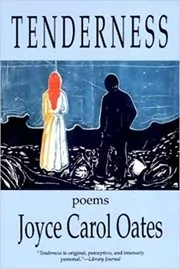
Tenderness
by Joyce Carol Oates
1996
These poems revisit childhood scenes, adolescent encounters, family memories, and America's fixation on money. Moments that appear affectionate often contain an undertow of violence, asking how tenderness survives alongside the disturbing experiences that memory keeps bringing back.
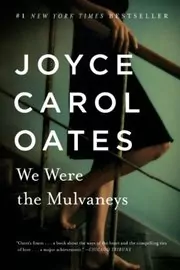
We Were the Mulvaneys
by Joyce Carol Oates
1996
The Mulvaneys seem secure in their family and their upstate New York community until their daughter Marianne is sexually assaulted. Their responses to her trauma expose grief, blame, and anger that threaten the bonds holding the household together.
Recommended by
1 person Oprah Winfrey recommended this book
Oprah Winfrey
"I read this book over a year ago, but this family still haunts me." - Oprah Winfrey
Oprah Winfrey's recommendation of this book
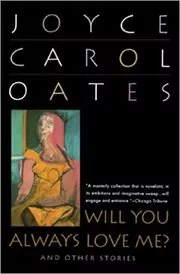
Will You Always Love Me?
by Joyce Carol Oates
1996
Twenty-two stories explore relationships unsettled by betrayal, loss, and sudden violence. A woman remains consumed by her sister's murder, while other characters discover that family intimacy and apparently ordinary domestic lives can conceal impulses they scarcely understand.
Double Delight
by Joyce Carol Oates
1997
Terence Greene's respectable suburban life begins to unravel after he meets Ava-Rose Renfrew while serving on a jury. An affair draws him into her family's manipulations, where emotional obsession threatens his marriage, finances, and carefully maintained public identity.
Man Crazy
by Joyce Carol Oates
1997
Abandoned by her father, Ingrid Boone grows up seeking affection through increasingly destructive relationships with men. A charismatic cult leader exploits that hunger, drawing her into a violent world where the need to be loved becomes a source of danger.
Telling Stories
by Joyce Carol Oates
1997
This anthology gathers varied forms of narrative, from short fiction and poems to memoir excerpts, myths, and dramatic monologues. Introductions, exercises, and workshop advice invite beginning writers to study different approaches, revise their work, and develop a voice.
Come Meet Muffin!
by Joyce Carol Oates
1998
The Smith family adopts Muffin, a kitten with unusual tastes and a protective nature. When he ventures into the woods to help two lost fawns, his kindness takes him far from home and tests his resourcefulness.
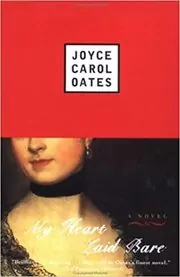
My Heart Laid Bare
by Joyce Carol Oates
1998
A family of confidence artists moves through an America rich with opportunities for deception. Abraham Licht and his children exploit other people's desires, but their schemes also expose them to the greed, rivalry, and weakness they so readily recognize.
New Plays
by Joyce Carol Oates
1998
Three full-length plays and shorter pieces bring family conflict, political tragedy, and Henry David Thoreau's life to the stage. Stories range from teenage sisters confronting their mother's partner to unsettling situations involving murder and an adoption agency.
The Collector of Hearts
by Joyce Carol Oates
1998
Twenty-five gothic stories place erotic obsession, damaged family bonds, and unsettling transformations inside recognizable lives. Tales such as Scars, The Crossing, and Death Mother turn intimate relationships and ordinary fears into encounters with the grotesque and the forbidden.
Broke Heart Blues
by Joyce Carol Oates
1999
John Reddy Heart arrives in Willowsville with his family and becomes an object of fascination to classmates and neighbors. A killing in his mother's bedroom turns that attention into a lasting local legend, told through the community's conflicting voices.
Starr Bright Will Be With You Soon
by Joyce Carol Oates
1999
Sharon Donner, a model and dancer whose alter ego Starr Bright has become murderous, seeks refuge with her estranged twin sister. The reunion brings the danger of her wandering life into a household connected to the self she left behind.
Where I've Been, and Where I'm Going
by Joyce Carol Oates
1999
Essays and reviews range across fairy tales, serial killers, boxing, visual art, and writers including Fitzgerald and Plath. Reflections on Oates's own fiction connect those subjects to questions about the creative process and the artist's place in society.
Blonde
by Joyce Carol Oates
2000
A fictional reimagining of Marilyn Monroe's life follows Norma Jeane through childhood insecurity, reinvention, relationships, and celebrity. The public image of a desired star presses against a vulnerable private self struggling for love, identity, and control of her life.
George Bellows
by Joyce Carol Oates
2000
Oates examines George Bellows's paintings of crowded streets, boxing, seascapes, and urban life, exploring their mix of beauty and brutality. The illustrated essay considers how his approach to American subjects reveals a restless artistic vision beyond simple realism.
Beasts
by Joyce Carol Oates
2001
College student Gillian Brauer becomes fascinated by Professor Andre Harrow and his sculptor wife Dorcas. Drawn toward their bohemian world, she finds that admiration and desire can make her vulnerable to the unsettling practices hidden behind their apparent freedom.
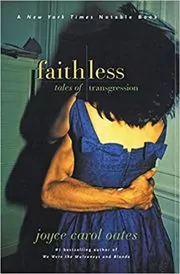
Faithless
by Joyce Carol Oates
2001
Twenty-one stories explore ordinary people crossing moral boundaries through obsession, resentment, and violence. Two sisters revisit their mother's disappearance, a young woman makes ugliness her defense, and another seeks revenge within a consuming love affair, exposing the danger in private lives.
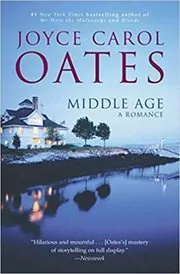
Middle-Age
by Joyce Carol Oates
2001
The sudden death of enigmatic sculptor Adam Berendt shakes the wealthy community of Salthill-on-Hudson. Friends and admirers confront rumors about his life while reassessing their own marriages, ambitions, and attempts to recapture what they believe they have lost.
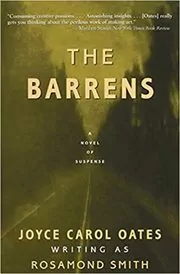
The Barrens
by Joyce Carol Oates
2001
A woman's disappearance revives Matt McBride's guilt over an earlier killing in the New Jersey Pine Barrens. His growing obsession damages his marriage and attracts police suspicion while drawing him toward an artist with a disturbing vision of murder.
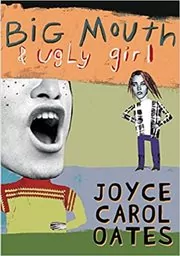
Big Mouth and Ugly Girl
by Joyce Carol Oates
2002
Matt Donaghy's joking remark is reported as a threat to bomb his school, bringing police questioning and social isolation. Ursula Riggs knows what he actually said, but supporting him means challenging the judgments that keep both teenagers apart.
Where to start with Joyce Carol Oates
For the early novels: A Garden of Earthly Delights → Expensive People → Them → Wonderland
For Gothic family history: Bellefleur → A Bloodsmoor Romance
For short fiction: Where Are You Going, Where Have You Been? → The Wheel of Love and Other Stories
For the writing life: The Faith of a Writer → The Lost Landscape
Joyce Carol Oates sub-series and character series
The Gothic Saga books in order
Explore this seriesWonderland Quartet books in order
Explore this seriesStandalone Joyce Carol Oates books
by Joyce Carol Oates
1980Ontological Proof of My Existence, Miracle Play, The Triumph of the Spider Monkey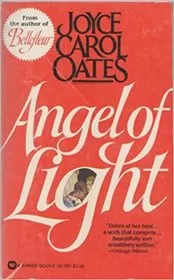
Author bio
Joyce Carol Oates is an American novelist, short story writer, poet and essayist whose work ranges from family chronicles to psychological suspense and Gothic fiction. Born in 1938 in western New York, she grew up in the countryside outside Lockport. Her writing often returns to people struggling with poverty, ambition, violence and the promises made by American society.
As a child, Oates attended a one-room schoolhouse and began telling stories through drawings before she could write. A typewriter given to her at fourteen helped turn that impulse into a regular practice. She continued writing through high school and college, drawing on a rural upbringing that later supplied settings, memories and social tensions for her fiction.
She won the Mademoiselle college fiction contest while studying at Syracuse University on a scholarship. After graduating as valedictorian in 1960, she earned a master's degree in English at the University of Wisconsin, where she met Raymond J. Smith. They married, and she began combining teaching with the writing career that would soon take shape in print.
Her first published book was the story collection By the North Gate in 1963.
With Shuddering Fall, her first novel, followed in 1964. The early Wonderland Quartet moves through migrant labour, affluent suburbs, Detroit streets and professional ambition, examining class from very different positions. Its third novel, Them, won the National Book Award in 1970, bringing wider recognition to her portrayal of a family trying to survive amid social pressure and urban violence.
Teaching has remained an important part of her life. Oates taught at the University of Detroit and then the University of Windsor in Canada before joining Princeton's creative writing programme in 1978. With Smith, she also published The Ontario Review and ran a small press, bringing the work of other writers into a career already crowded with her own novels and stories.
Her books resist a single reading route. Bellefleur opens the Gothic Saga with a family history shaped by wealth, power and strange events, while later works such as Blonde imagine a life behind a public image. Her story collections offer shorter encounters with the same unsettled territory: private desire, the threat of violence, family loyalties and the distance between how a person appears and what that person experiences.
Short fiction has been central to her reputation from the beginning.
The Rea Award for the Short Story and the PEN/Malamud Award recognised that part of her work, alongside broader honours including the National Humanities Medal and the National Book Critics Circle's Ivan Sandrof Lifetime Achievement Award. She also writes criticism, plays, poetry and memoir, with books such as The Faith of a Writer and A Widow's Story offering different views of the life surrounding her fiction.
Oates is Princeton's Roger S. Berlind Professor of the Humanities Emerita and continues to publish across genres. Recent books include Butcher, Flint Kill Creek and Fox. The variety makes her catalogue unusually broad, but a persistent thread connects it: close attention to people whose ordinary surroundings contain pressures they can neither fully understand nor easily escape.


Edited by
Software engineer whose passion for tracking book recommendations from podcasts inspired the creation of MRB.
Lead investor at 3one4 Capital whose startup expertise and love for books helped shape MRB and its growth.
Comments
Did we miss something? Have feedback?
Help us improve this page by sharing your thoughts