
Isaac Asimov Books in Order
Browse the Isaac Asimov collaborations with Martin H Greenberg in order, with anthology summaries, subseries notes, and quick guidance on where to start.
Last updated: 13 new books added
As an Amazon Associate, we earn from qualifying purchases (at no extra cost to you).
Isaac Asimov books in publication order
369 books

The New Hugo Winners, Vol. 1
by Isaac Asimov
1989
This anthology gathers Hugo Award winners from 1983 through 1985, including stories by Joanna Russ, Connie Willis, Greg Bear, and Octavia Butler. Its selections include Souls, Fire Watch, Blood Music, Speech Sounds, and Bloodchild.

How Did We Find Out About Pluto?
by Isaac Asimov
1990
Starting with unexplained features of Uranus's orbit, Asimov traces the search that led Clyde Tombaugh to discover Pluto. The book also examines later efforts to measure the distant world and understand its companion, Charon.

Nightfall
by Isaac Asimov
1990
On Kalgash, six suns keep the world in daylight until a rare alignment threatens darkness for the first time in two thousand years. Scientists and religious believers confront signs of a catastrophe their society scarcely understands.

Norby and the Oldest Dragon
by Isaac Asimov
1990
Jeff Wells and Norby are invited to the Grand Dragon's birthday celebration on planet Jamyn. Their invitation comes with a difficult task: bringing her ancient, formidable mother to the party without provoking either dragon's temper.

Out of the Everywhere
by Isaac Asimov
1990
Asimov brings together science essays about astronomy, human evolution, radiation, magnetism, fuel, and time. The collection connects subjects such as the solar system's formation, energy use, population, and environmental damage through explanations aimed at general readers.

Projects in Astronomy
by Isaac Asimov
1990
This collection offers younger readers ways to explore astronomy through observation, experiments, modelmaking, drawing, and creative writing. The activities encourage children to investigate the sky and express what they learn through both practical and imaginative projects.

Puzzles of the Black Widowers
by Isaac Asimov
1990
The Black Widowers' dinner guests bring mysteries involving missing objects, strange clues, and possible betrayal. In this collection of puzzles, the club debates each problem at the Milano Restaurant, with waiter Henry ready to contribute his own reasoning.

Robot Visions
by Isaac Asimov
1990
This collection combines robot stories with essays about robots, gathering work written across five decades. Asimov explores relationships between people and machines through fictional dilemmas and nonfiction reflections, including a title story that brings robots into time travel.

The Complete Stories, Vol 1
by Isaac Asimov
1990
This collection gathers science fiction stories including The Last Question, The Ugly Little Boy, Sally, and Nightfall. Drawn largely from three earlier collections, the volume brings together Asimov's short fiction about technology, unfamiliar worlds, and human choices.
Recommended by
1 person Max Levchin recommended this book
Max Levchin
"The Last Question is a famous sci-fi short story, and quite possibly one of the best sci-fi stories ever written. [The author]’s degree of forward-thinking is something to behold." - Max Levchin
Max Levchin's recommendation of this book
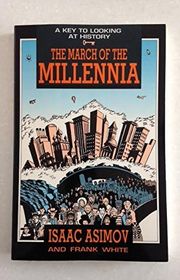
The March of the Millennia
by Isaac Asimov
1990
Asimov and Frank White survey major events, influential people, and long-running trends from 8000 BC to modern times. Their account uses this historical perspective to consider what the next millennium might bring and how past developments shape expectations.

The New Hugo Winners, Vol. 2
by Isaac Asimov
1990
This anthology collects Hugo-winning short stories, novelettes, and novellas from 1986 through 1988. Contributions explore friendship, survival after catastrophe, and encounters with other worlds, including Robert Silverberg's Gilgamesh in the Outback and work by Frederik Pohl.

The World's Space Programs
by Isaac Asimov
1990
Asimov examines how nations have pursued space exploration and developed programs intended to last. This illustrated introduction for younger readers considers past achievements, contemporary efforts, and possible futures for organized exploration beyond the Earth's atmosphere.

Atom
by Isaac Asimov
1991
Beginning with the question of how finely matter can be divided, Asimov traces ideas about atoms from ancient speculation to modern physics. He explains discoveries involving light, electricity, subatomic particles, and the forces that shape the universe.

Child of Time
by Isaac Asimov
1991
A Neanderthal child is brought into the present by scientists whose experiment keeps him confined within a time research facility. Nurse Edith Fellowes develops a protective bond with the boy, challenging the researchers' treatment of him.

Christopher Columbus
by Isaac Asimov
1991
This biography for younger readers follows Columbus's Atlantic voyages and their consequences. Asimov explains the debate about sailing west to Asia, then examines the explorer's ambitions, his difficulties as a governor, and the European settlement that followed.

Ferdinand Magellan
by Isaac Asimov
1991
This biography introduces Ferdinand Magellan, the Portuguese navigator whose expedition crossed the Pacific and circled the globe. Written for younger readers, it follows the voyage and explains how his crew completed the journey after his death.

Henry Hudson
by Isaac Asimov
1991
This biography follows Henry Hudson's search for a northern sea passage from Europe to Asia. Written for younger readers, it describes his Arctic explorations, journeys along North America's eastern coast, and expedition into Hudson Bay.

Our Angry Earth
by Isaac Asimov
1991
Isaac Asimov and Frederik Pohl examine environmental threats including global warming, ozone depletion, nuclear waste, and species extinction. They explain the processes behind these problems and consider political action, social changes, and individual choices that could reduce the damage.

Star Cycles
by Isaac Asimov
1991
This illustrated guide introduces the life cycles of stars, showing how they form, change, and eventually die. Written for younger readers, it uses diagrams and fact boxes to explore the stars and their changing place in the sky.

The Mammoth Book of New World Science Fiction
by Isaac Asimov
1991
Asimov and his fellow editors collect ten science fiction novellas from the 1960s. Selections include Anne McCaffrey's Weyr Search, Gordon R. Dickson's Soldier, Ask Not, and work by Roger Zelazny, Keith Laumer, and Robert Silverberg.

What is a Shooting Star?
by Isaac Asimov
1991
This illustrated introduction explains what meteors are and why people call them shooting stars. Asimov helps young readers distinguish these brief visitors from real stars, turning a familiar sight in the night sky into a science question.

What is an Eclipse?
by Isaac Asimov
1991
Asimov explains how eclipses happen, taking young readers through the process step by step. This illustrated introduction compares solar and lunar eclipses, helping children understand two different events involving the Sun, Earth, and Moon.

Where Does Garbage Go?
by Isaac Asimov
1991
This introduction follows the things people throw away, examining what happens to garbage after disposal. Asimov explains waste management problems and possible solutions for younger readers, connecting everyday rubbish with the wider challenge of protecting the environment.

Why Do Stars Twinkle?
by Isaac Asimov
1991
Asimov explains why distant stars seem to flicker when their light reaches Earth. Written for young readers, this illustrated introduction looks at the apparent twinkling of starlight and the atmosphere's role in changing what we see.

Why Do We Have Different Seasons?
by Isaac Asimov
1991
Asimov explains how seasons work and how they affect Earth's climate, landscapes, and living things. This illustrated introduction for children connects seasonal changes with familiar patterns such as migration, hibernation, and the changing appearance of the natural world.

Why Does The Moon Change Shape?
by Isaac Asimov
1991
Asimov explains the Moon's changing appearance as it moves from crescent to full and back again. Written for young readers, this illustrated introduction follows the repeating cycle of lunar phases over roughly twenty-nine and a half days.

Asimov Laughs Again
by Isaac Asimov
1992
Asimov collects jokes, limericks, and humorous stories alongside advice about telling them well. He discusses timing, accents, and choosing material for an audience, while sharing personal experiences and examples drawn from friends, celebrities, and everyday encounters.

How Do Aeroplanes Fly?
by Isaac Asimov
1992
Asimov explains how lift and thrust allow airplanes to overcome gravity and resistance. Written for younger readers, this illustrated introduction uses the familiar question of how aircraft stay aloft to introduce the physical forces involved in flight.

How Do Big Ships Float?
by Isaac Asimov
1992
This introduction for young readers describes different kinds of ships and explains the forces that keep them afloat. It connects the familiar sight of large vessels on water with the physical reasons ships can float or sink.

How is Paper Made?
by Isaac Asimov
1992
Young readers follow the process of making paper, including the preparation of wood pulp. The book also considers the problems associated with producing and using paper, linking an everyday material with its demands on forests and other resources.

Is Our Planet Warming Up?
by Isaac Asimov
1992
This illustrated introduction explains the greenhouse effect and how it can raise temperatures around the world. Written for younger readers, it uses the question of a warming planet to introduce a growing environmental problem and its underlying science.

The Complete Stories, Vol. 2
by Isaac Asimov
1992
Forty science fiction stories explore scientific puzzles and imagined futures. Among them, Martian colonists face a threat to their water supply in The Martian Way, while a rivalry between scientists drives the mystery of The Billiard Ball.

The Great SF Stories 25 (1963)
by Isaac Asimov
1992
This anthology gathers science fiction first published in 1963, including A Rose for Ecclesiastes, No Truce with Kings and Fortress Ship. The selections bring together encounters with other civilizations, imagined political conflicts and the dangers of space warfare.

The Positronic Man
by Isaac Asimov
1992
Andrew Martin begins as a household robot but develops creativity, affection and an increasingly human identity. His desire to be recognized as a person leads him into struggles with prejudice, legal definitions and the limitations of his mechanical body.

The Secret of the Universe
by Isaac Asimov
1992
Seventeen essays explore questions in astronomy, physics, cosmology and biology. Asimov moves between subjects to explain scientific ideas and their connections, using the workings of the universe as a starting point for discussions of matter and life.

The Super Hugos
by Isaac Asimov
1992
This collection brings together Hugo Award-winning science fiction, including The Bicentennial Man, Enemy Mine and Sandkings. Its stories explore robot identity, encounters between hostile species and the consequences of treating unfamiliar forms of life as objects of entertainment.

The Ugly Little Boy
by Isaac Asimov
1992
Scientists bring a Neanderthal child named Timmie into the present, where nurse Edith Fellowes is assigned to care for him. As she grows attached to the boy, the experiment's priorities threaten the welfare of the child she wants to protect.

What Causes Acid Rain?
by Isaac Asimov
1992
Written for younger readers, this book explains how acid rain forms and why it is harmful. It examines damage to forests, lakes and buildings while introducing ways people can help prevent this form of pollution from developing.

What Happens When I Flush the Toilet?
by Isaac Asimov
1992
Young readers discover what happens after a toilet is flushed, following the plumbing and sewage systems that handle waste. The book explains the technology behind a familiar household action and introduces the larger problem of disposing of sewage.

What's Happening to the Ozone Layer?
by Isaac Asimov
1992
This introduction for young readers explains the ozone layer and the damage occurring within it. It describes the environmental problem of ozone destruction and considers what people can do to help protect this part of Earth's atmosphere.

Why Are Animals Endangered?
by Isaac Asimov
1992
This illustrated book introduces young readers to endangered animals and the reasons their survival is threatened. Habitat destruction is a central concern, alongside an explanation of how people can help prevent species from disappearing from the natural world.

Why Are Some Beaches Oily?
by Isaac Asimov
1992
Young readers learn how transporting oil can lead to spills that pollute beaches and surrounding waters. The book explains the risks of oil pollution and its effects on wildlife, connecting damaged shorelines with the movement of petroleum.

Why Are the Rain Forests Vanishing?
by Isaac Asimov
1992
This introduction explains what rain forests are, why they matter and why they are disappearing. Written for younger readers, it connects the loss of these environments with its causes and considers ways people can help preserve them.

Why Are Whales Vanishing?
by Isaac Asimov
1992
This illustrated introduction describes whales and the threats to their survival, including whaling. Young readers learn why whale populations have declined and how people can help protect these marine animals from further losses in the world's oceans.

Why Does Litter Cause Problems?
by Isaac Asimov
1992
This book explains how discarded rubbish damages the natural environment and why litter creates problems beyond looking untidy. It introduces recycling and practical actions children can take, connecting everyday habits with the protection of the places around them.

Why is the Air Dirty?
by Isaac Asimov
1992
This illustrated introduction helps younger readers understand where air pollution comes from and why it matters. It describes the effects of dirty air and considers ways to prevent pollution, connecting an environmental problem with its causes and possible responses.

Forward the Foundation
by Isaac Asimov
1993
On Trantor, Hari Seldon works to turn psychohistory into a tool for predicting humanity's future as the Galactic Empire weakens. Political upheaval and personal losses complicate his effort to establish the foundations of a plan that could outlast him.
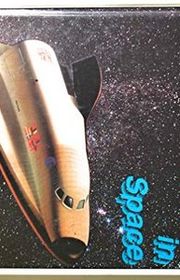
The Future in Space
by Isaac Asimov
1993
Asimov considers possibilities for future astronomy and space travel, including larger telescopes, airplanes operating in space, solar probes, and journeys to Mars. Young readers are invited to think about how new tools might extend exploration beyond Earth.

The Mammoth Book of Modern Science Fiction
by Isaac Asimov
1993
Ten science fiction novellas and novelettes from the 1980s bring together imagined futures, space exploration and conflict. The anthology includes Sailing to Byzantium, Hardfought, The Saturn Game and The Blind Geometer, offering longer stories by several different writers.

Why Do People Come in Different Colors?
by Isaac Asimov
1993
Written for younger readers, this book explains differences in human skin color through heredity and the environment. It introduces the science behind a visible human variation, helping children understand why people can have different coloring while sharing the same species.

Why Do We Need to Brush Our Teeth?
by Isaac Asimov
1993
Young readers learn about the structure of teeth, the jobs they perform and the importance of caring for them. The book connects brushing with the everyday use of teeth, explaining why dental care belongs in a regular routine.

I, Asimov
by Isaac Asimov
1994
Asimov reflects on his writing career, friendships and personal life in a memoir organized around subjects and people. His recollections include marriage, religion, politics and fame, giving readers his own account of the experiences and ideas that shaped him.

Isaac Asimov's The Rocky Planets
by Isaac Asimov
1994
This collection introduces younger readers to Mercury, Venus, Earth and Mars, with an overview of the solar system. It explains the characteristics of the rocky planets, showing how Earth's neighboring worlds differ from the planet people call home.

My First Book of Animals From A to Z
by Isaac Asimov
1994
Illustrations and short text introduce more than 150 animals arranged from A to Z. Designed for young children, the book pairs an alphabet format with an introduction to animals, giving readers a way to explore creatures while learning their names.

Our Planetary System
by Isaac Asimov
1994
This introduction for young readers explains the Sun and the planets within our solar system. It describes their characteristics and places them within a wider discussion of stars and the universe, including questions that astronomy has yet to answer.

Gold
by Isaac Asimov
1995
This collection combines fifteen science fiction stories with essays about the genre and the craft of writing. In the title story, a writer seeks lasting recognition through a visual adaptation, while the nonfiction pieces explore Asimov's approaches to storytelling.

Magic
by Isaac Asimov
1995
Fantasy stories featuring the miniature demon Azazel follow magical favors that produce unexpected complications for the people seeking help. Essays accompany the tales, bringing together Asimov's comic supernatural fiction and his reflections on fantasy and related subjects.
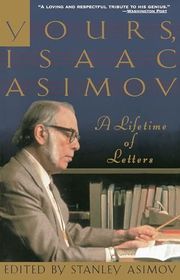
Yours, Isaac Asimov
by Isaac Asimov
1995
Selected from a thousand previously unpublished letters, this collection presents Asimov’s responses to readers, writers, scientists, and public figures. Arranged by subject, the correspondence reveals his opinions, humor, personal concerns, and relationships beyond his published books.

Norby and the Court Jester
by Isaac Asimov
1996
Jeff Wells and Norby travel to Izz for spring break, but a distress call from Princess Rinda and her robot Pera interrupts their visit. Their investigation involves Ing, an exiled court jester whose role in the trouble raises suspicions.

History of I-Botics
by Isaac Asimov
1997
During World War II, American agent Elliot Hecht investigates a Nazi project involving robots with living human brains. Allied counterparts pursue their own plans, and decades later the struggle draws in a new generation facing a threat to civilization.

Norby and the Terrified Taxi
by Isaac Asimov
1997
When Garc the Great captures Norby and interferes with history, humanity's existence is at risk. Jeff Wells turns to Lizzie, a sentient Manhattan taxi, for help rescuing his robot friend and confronting the changes spreading through time.

Facts and Trivia
by Isaac Asimov
1998
Thousands of short facts range across science, history, fashion, entertainment and the universe. The collection places everyday subjects beside unusual people and discoveries, giving readers brief entries to browse rather than a continuous narrative about a single topic.

It's Been a Good Life
by Isaac Asimov
2002
Janet Asimov draws on her husband's autobiographies and letters to tell the story of his life. The account follows his Brooklyn childhood, early interest in science fiction and writing career, while including his personal outlook and her recollections of their life together.

The Moon
by Isaac Asimov
2002
This introduction explains the Moon's phases, eclipses and the discoveries that shaped human knowledge of Earth's companion. It covers lunar exploration, questions about the Moon's origin and possibilities for its future, connecting familiar observations with the history of investigation.

Realm of Measure
by Isaac Asimov
2003
Asimov traces measurement from units based on the human body to standardized and metric systems. He explains ways of measuring length, volume, temperature, time and other quantities, then considers how modern physics changes the understanding of measurement itself.

The Return of the Black Widowers
by Isaac Asimov
2003
At their regular dinners, the Black Widowers invite guests to present puzzling incidents for discussion. Their waiter Henry helps unravel the mysteries through observation and deduction, in a collection that combines additional tales with selected stories and tributes.

Astronomy Projects
by Isaac Asimov
2005
This activity book gives young readers ways to investigate astronomy through sky observation, experiments, drawing, writing and model making. Its projects turn an interest in space into practical exercises, combining creative activities with opportunities to explore astronomical ideas.

Black Holes, Pulsars and Quasars
by Isaac Asimov
2005
Young readers are introduced to black holes, pulsars and quasars, including their formation and distinguishing features. The book explains these unusual astronomical objects within a wider discussion of stars, galaxies and the observations used to learn about them.

Space Junk
by Isaac Asimov
2005
This book introduces young readers to the debris left behind by rockets and other spacecraft. It explains how objects remain in orbit or fall toward Earth, and why even small pieces of space junk can create serious dangers.