
Haruki Murakami Books in Order
The complete guide to Haruki Murakami's books in order, with summaries, series backgrounds, and where to start reading.
Last updated: 1 new book added
As an Amazon Associate, we earn from qualifying purchases (at no extra cost to you).
Haruki Murakami books in publication order
64 books
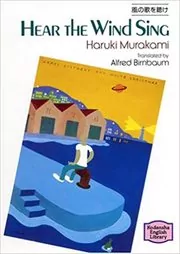
Hear the Wind Sing
by Haruki Murakami
1979
Murakami's debut novella, set during a hot summer in 1970. An unnamed biology student returns to his hometown, drinks beer at J’s Bar with his friend the Rat, and muses on writing and relationships in a series of fragmented, breezy vignettes.
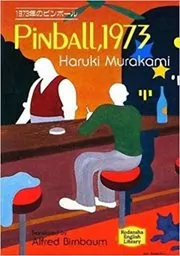
Pinball, 1973
by Haruki Murakami
1980
The sequel to *Hear the Wind Sing* finds the narrator living in Tokyo with nameless twins while obsessively searching for a specific pinball machine he once loved. Meanwhile, the Rat struggles with his own drift and isolation back in their hometown.

On Seeing the 100% Perfect Girl on One Beautiful April Morning
by Haruki Murakami
1981
On a spring morning in Tokyo, a man passes a stranger he instantly believes is his perfect match, yet says nothing. After she disappears into the crowd, his missed opportunity opens into a wistful meditation on chance, memory, and imagined love.
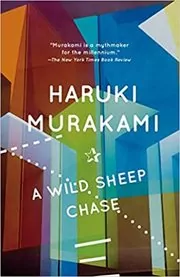
A Wild Sheep Chase
by Haruki Murakami
1982
An advertising executive is forced by a mysterious right-wing organization to track down a specific sheep with a star on its back. His search leads him from Tokyo to the snowy mountains of Hokkaido, where he confronts the ghosts of his friend, the Rat.
Recommended by
1 person Brian Koppelman recommended this book
Brian Koppelman
"If you have always wanted to read [this author], I think this [Covid-19] period of time is perfect for it. He could have conceived of this whole thing." - Brian Koppelman
Brian Koppelman's recommendation of this book

The Vampire Cabbie
by Haruki Murakami
1983
Stranded in a taxi during a rainstorm, the narrator listens as the driver calmly claims to be a vampire. Their unnerving conversation transforms a mundane ride through traffic into a deadpan encounter with the supernatural.
Desire
by Mary Snitow & Haruki Murakami
1984
A compact selection of Murakami's short fiction focused on the theme of desire. These stories explore the hunger for connection, food, and the strange, inexplicable yearnings that drive human behavior.
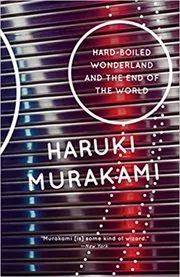
Hard-Boiled Wonderland and the End of the World
by Haruki Murakami
1985
Two parallel narratives unfold: one in a cyberpunk Tokyo where a "Calcutec" scrambles data in his brain, and another in a walled fantasy town where residents have no shadows. The stories slowly converge to reveal the connection between the two worlds.
Recommended by
1 person Matt Mullenweg recommended this book
Matt Mullenweg
"I really liked [this book]." - Matt Mullenweg
Matt Mullenweg's recommendation of this book
Kangaroo Weather
by Haruki Murakami
1986
This Japanese short-story collection gathers eighteen early pieces by Haruki Murakami, including the title story and “On Seeing the 100% Perfect Girl on One Beautiful April Morning.” Its brief, varied works move between slices of everyday urban life and more surreal conceits.
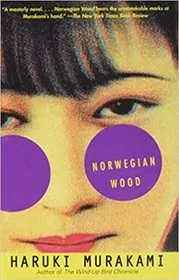
Norwegian Wood
by Haruki Murakami
1987
Set in late 1960s Tokyo, this realistic novel follows Toru Watanabe as he navigates a painful love triangle between the fragile, troubled Naoko and the lively, independent Midori. A nostalgic and heartbreaking story of loss and student life.
Recommended by
4 people PewDiePie recommended this book
PewDiePie
"Another great book I recommend." - PewDiePie
PewDiePie's recommendation of this book  Emma Watson recommended this book
Emma Watson
Emma Watson mentioned this book in a Marie Claire interview.
Emma Watson's recommendation of this book  Harry Styles recommended this book
Harry Styles
Harry Styles sang this author's praises throughout a Rolling Stone interview.
Harry Styles's recommendation of this book  Jack Edwards recommended this book
Jack Edwards
"Will make you want to visit Tokyo." - Jack Edwards
Jack Edwards's recommendation of this book
Sleep
by Haruki Murakami
1987
An unnamed Japanese housewife has gone seventeen days without sleep, though she feels more alert than ill. As her secret wakefulness alters her routine and inner life, the story follows her growing detachment from domestic certainty.
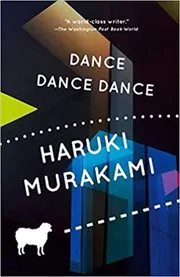
Dance, Dance, Dance
by Haruki Murakami
1988
The narrator of *A Wild Sheep Chase* returns to the Dolphin Hotel, only to find it transformed into a modern high-rise. He teams up with a clairvoyant teenage girl and an old friend to solve a murder mystery that spans the physical and spiritual worlds.
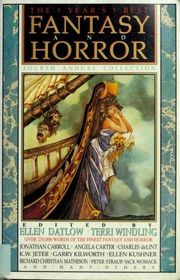
Fourth Annual Collection
by Ellen Datlow & Haruki Murakami
1991
This paperback edition presents the fourth annual gathering of fantasy and horror, edited by Ellen Datlow and Terri Windling. Alongside selected fiction and poetry, it includes genre surveys and reference material looking back at notable work in the field.
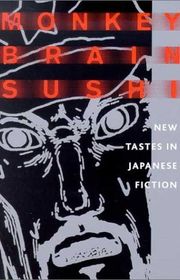
Monkey Brain Sushi: New Tastes in Japanese Fiction
by Alfred Birnbaum & Haruki Murakami
1991
Edited by Alfred Birnbaum, this anthology introduces contemporary Japanese fiction in English through short stories, novel excerpts, and a manga selection. Contributors including Haruki Murakami explore urban life, pop culture, surrealism, and social unease.
The Year's Best Fantasy and Horror Fourth Annual Collection
by Ellen Datlow & Haruki Murakami
1991
This fourth annual gathering, edited by Ellen Datlow and Terri Windling, collects fantasy and horror chosen from the previous year’s publishing. Fiction, poetry, essays, and genre overviews create a wide-angle record of the field’s darker and more imaginative work.
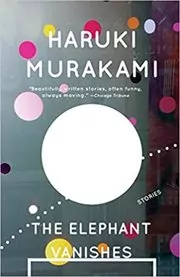
The Elephant Vanishes
by Haruki Murakami
1993
A collection of seventeen short stories that blend the ordinary with the surreal. From a midnight hunger that leads to a bakery robbery to an elephant that disappears from its enclosure, these tales showcase Murakami's mastery of the bizarre.
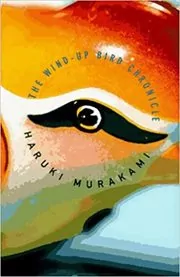
The Wind-Up Bird Chronicle
by Haruki Murakami
1997
When Toru Okada's cat goes missing, followed by his wife, his search pulls him into a netherworld beneath Tokyo. He encounters a psychic prostitute, a corrupt politician, and a veteran of the Nomonhan Incident in this sprawling metaphysical detective story.
Recommended by
2 people- Brian Koppelman recommended this book
Brian Koppelman
"If you have always wanted to read [this author], I think this [Covid-19] period of time is perfect for it. He could have conceived of this whole thing." - Brian Koppelman
Brian Koppelman's recommendation of this book - Harry Styles recommended this book
Harry Styles
For his 25th birthday, [Harry Styles] spent five hours drinking tea and reading [this book] in a cafe in Tokyo.
Harry Styles's recommendation of this book
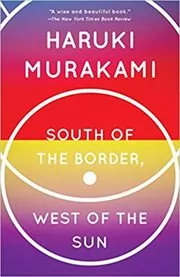
South of the Border, West of the Sun
by Haruki Murakami
1999
Hajime, a successful jazz bar owner with a wife and children, is shaken when his childhood sweetheart reappears during a rainy night. Her arrival forces him to question his choices and the potentially destructive power of his past obsessions.
40 Short Stories: A Portable Anthology
by Beverly Lawn, Amy Tan & Haruki Murakami
2000
Edited by Beverly Lawn, this compact teaching anthology assembles forty classic and contemporary short stories. Arranged to support the study of fiction, it pairs a broad range of authors with biographical notes and reference material; Amy Tan and Haruki Murakami are among the contributors.
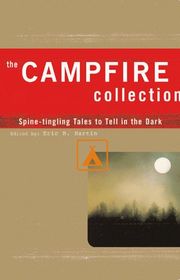
The Campfire Collection: Spine-tingling Tales to Tell in the Dark
by Eric Martin & Haruki Murakami
2000
A collection of twenty-five true and fictional outdoor tales for reading after dark. Drawn from literary fiction, adventure writing, and firsthand accounts, the pieces trace animal attacks, natural disasters, brushes with death, and unsettling encounters in the wilderness.
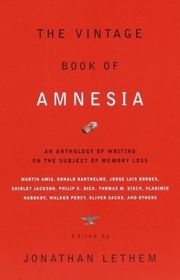
The Vintage Book of Amnesia
by Haruki Murakami
2000
Edited by Jonathan Lethem, this anthology gathers fiction and nonfiction united by memory loss, disorientation, and fractured identity. Haruki Murakami appears among contributors including Julio Cortázar, Philip K. Dick, Shirley Jackson, and Oliver Sacks.
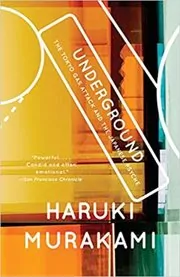
Underground
by Haruki Murakami
2000
A non-fiction work investigating the 1995 Tokyo sarin gas attack. Murakami interviews both the victims of the attack and members of the Aum Shinrikyo cult, attempting to understand the psyche behind the violence and its impact on Japanese society.
Sputnik Sweetheart
by Haruki Murakami
2001
K is in love with Sumire, an aspiring writer who falls for an older woman named Miu. When Sumire vanishes while on vacation in Greece, K investigates her disappearance, uncovering a story about unrequited desire and the possibility of crossing into another world.
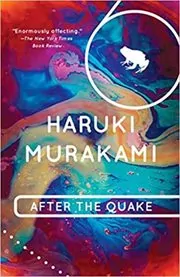
After the Quake
by Haruki Murakami
2002
Six short stories set in the months following the 1995 Kobe earthquake. While the characters are not directly caught in the disaster, the tremors reverberate through their lives, triggering personal upheavals and strange, quiet realizations.
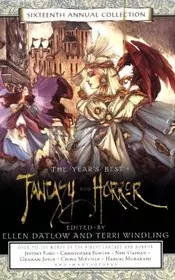
The Year's Best Fantasy and Horror: Sixteenth Annual Collection
by Ellen Datlow, Haruki Murakami & Theodora Goss
2003
This annual anthology gathers nearly four dozen fantasy and horror stories and poems, ranging from reworked fairy-tale material and magical realism to gothic and darker fiction. It also surveys the field through editorial overviews, coverage of comics, anime, and manga, and an honorable-mentions list.
Birthday Stories
by Haruki Murakami
2004
An anthology of short stories about birthdays, selected and introduced by Murakami. The collection features works by authors like Raymond Carver and David Foster Wallace, as well as one original story by Murakami himself.
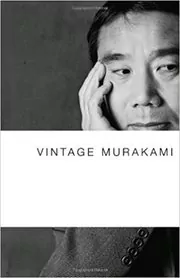
Vintage Murakami
by Haruki Murakami
2004
A selection of excerpts and stories designed to introduce readers to Murakami's work. It includes chapters from novels like *The Wind-Up Bird Chronicle* and *Norwegian Wood*, along with standalone short fiction.
Kafka on the Shore
by Haruki Murakami
2005
A fifteen-year-old boy named Kafka runs away from home to escape an Oedipal curse, while an elderly man who can talk to cats sets off on a parallel journey. Their paths converge in a dreamlike plot involving fish falling from the sky and a magical library.
Recommended by
3 people- Brian Koppelman recommended this book
Brian Koppelman
"If you have always wanted to read [this author], I think this [Covid-19] period of time is perfect for it. He could have conceived of this whole thing." - Brian Koppelman
Brian Koppelman's recommendation of this book  Jenn Im recommended this book
Jenn Im
"Made me feel like I was dreaming." - Jenn Im
Jenn Im's recommendation of this book - PewDiePie recommended this book
PewDiePie
"I still really loved it." - PewDiePie
PewDiePie's recommendation of this book
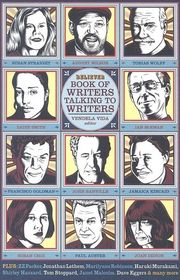
The Believer Book of Writers Talking to Writers
by Vendela Vida, Marilynne Robinson, Haruki Murakami & John Banville
2005
Edited by Vendela Vida, this volume collects writer-to-writer conversations first published in The Believer, supplemented by previously unpublished interviews. The exchanges move beyond craft to subjects such as politics, philosophy, work, and the personal habits that shape a writing life.
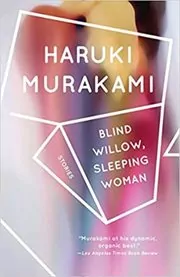
Blind Willow, Sleeping Woman
by Haruki Murakami
2006
A generous collection of twenty-four short stories covering a wide range of Murakami's career. The tales feature everything from a man traveling to Hawaii to a mirror that shows a reflection that refuses to look back.
Tony Takitani
by Haruki Murakami
2006
A short story about a man named Tony Takitani who grows up isolated and later marries a woman obsessed with buying expensive clothes. After she dies, he is left alone with a room full of her designer dresses.
After Dark
by Haruki Murakami
2007
Set over the course of a single night in Tokyo, this novel follows Mari, a student reading in a Denny's, and her sister Eri, who is asleep and cannot wake up. Their stories intersect with a jazz trombonist and the dark underbelly of the city.
Alone in the Kitchen with an Eggplant: Confessions of Cooking for One and Dining Alone
by Jenni Ferrari-Adler, Ann Patchett & Haruki Murakami
2007
Edited by Jenni Ferrari-Adler, this anthology gathers 26 food writers’ essays about cooking and eating when no one else is at the table. The pieces explore private rituals, comfort foods, and solo recipes, treating dining alone as both practical challenge and personal pleasure.
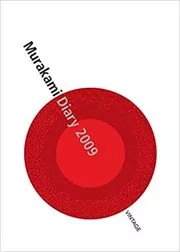
Murakami Diary 2009
by Haruki Murakami
2008
A collection of light essays and responses to reader questions, originally published on Murakami's website. He discusses everything from his daily routine and running habits to his thoughts on tofu and music.
Read Real Japanese Essays
by Janet Ashby & Haruki Murakami
2008
This Japanese-language learning anthology presents essays by contemporary writers, including Haruki Murakami, in vertical Japanese text. Facing translations, notes, a learner’s dictionary, and audio recordings help readers work through natural prose rather than simplified practice passages.
What I Talk About When I Talk About Running
by Haruki Murakami
2008
A memoir reflecting on Murakami's life as a writer and an athlete. He discusses how training for marathons shapes his discipline and creative process, offering a rare, personal glimpse into the mind of the typically private author.
Recommended by
2 people- Brian Koppelman recommended this book
Brian Koppelman
"The single best distillation of the kind of focus, commitment, and sense of mission it takes to become a great artist." - Brian Koppelman
Brian Koppelman's recommendation of this book - Jack Edwards recommended this book
Jack Edwards
"Will really resonate with anyone who loves running." - Jack Edwards
Jack Edwards's recommendation of this book
Great Modern Stories
by Joanna Trollope, William Boyd & Haruki Murakami
2009
An audio anthology of unabridged short fiction, Great Modern Stories presents work by a range of twentieth- and twenty-first-century authors. Its selections span modes including ghost story, domestic drama, mystery, and character study; William Boyd, Haruki Murakami, and Joanna Trollope are among the contributors.
Short Stories: The Thoroughly Modern Collection
by Joanna Trollope & Haruki Murakami
2009
This unabridged audio anthology brings together twenty-three short stories by a varied group of modern writers, read by a cast of performers. It includes Haruki Murakami’s “On Seeing the 100% Perfect Girl One Beautiful Morning,” alongside work by Helen Simpson, A. S. Byatt, and Fay Weldon.
Stories to Get You Through the Night
by Various Authors & Haruki Murakami
2010
A wide-ranging anthology of classic and modern short fiction selected for late-night reading. Its stories move through romance, loss, mystery, ghosts, friendship, renewal, and other human predicaments, with contributions from Haruki Murakami, Alice Munro, Chekhov, Woolf, and many others.
1Q84
by Haruki Murakami
2011
In 1984 Tokyo, a woman named Aomame begins to notice strange discrepancies in the world, while a math teacher named Tengo agrees to rewrite a disturbing novel. As their twin narratives unfold, they find themselves in a distorted reality with two moons in the sky.
Recommended by
2 people Adam Savage recommended this book
Adam Savage
"Seriously, one of my favorite books of all time." - Adam Savage
Adam Savage's recommendation of this book  Anna Akana recommended this book
Anna Akana
Anna Akana recommended this book on Twitter.
Anna Akana's recommendation of this book
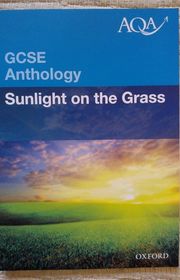
AQA GCSE Anthology Sunlight on the Grass
by Haruki Murakami
2012
This AQA GCSE English Literature anthology collects seven modern short stories for classroom study, including Haruki Murakami’s “On Seeing the 100% Perfect Girl One Beautiful April Morning.” Its selections support analysis of character, feelings, relationships, and narrative technique.
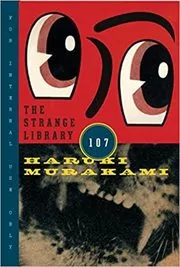
The Strange Library
by Haruki Murakami
2012
A dark, illustrated fable about a lonely boy who visits his local library, only to be imprisoned by an old man who wants to eat his brain. He plans his escape with the help of a sheep man and a mysterious girl.
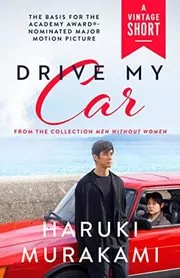
Drive My Car
by Haruki Murakami
2013
A widowed actor hires a young female chauffeur to drive his Saab. As they spend time together in the car, he opens up about his late wife and the secrets she kept from him. This story was the basis for the Academy Award-winning film.
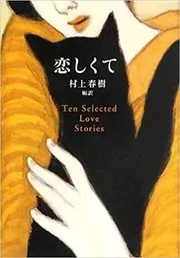
Ten Selected Love Stories
by Haruki Murakami
2013
An anthology of love stories curated and translated into Japanese by Murakami, featuring Western authors like Alice Munro and Tobias Wolff. It also includes one original story by Murakami titled "The Independent Organ."
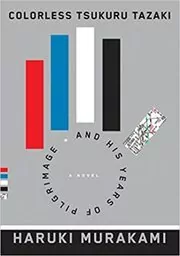
Colorless Tsukuru Tazaki and His Years of Pilgrimage
by Haruki Murakami
2014
Tsukuru Tazaki has spent years haunted by the day his four best friends abruptly cut him out of their lives without explanation. Now an adult, he decides to visit each of them to uncover the truth behind their silence and heal his past.
Recommended by
1 person- Brian Koppelman recommended this book
Brian Koppelman
"If you have always wanted to read [this author], I think this [Covid-19] period of time is perfect for it. He could have conceived of this whole thing." - Brian Koppelman
Brian Koppelman's recommendation of this book
Novelist as a Vocation
by Haruki Murakami, Philip Gabriel & Ted Goossen
2015
In this set of essays, Murakami breaks his silence on the profession of writing. He discusses his path to becoming a novelist, his views on literary prizes, and the specific daily habits that allow him to sustain his creativity over decades.
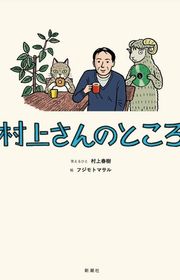
村上さんのところ
by Haruki Murakami
2015
In this Japanese collection, Haruki Murakami selects 473 responses from the thousands of questions readers sent to his limited-run advice website. The exchanges range across everyday concerns and larger reflections, accompanied by 51 illustrations by Masaru Fujimoto.
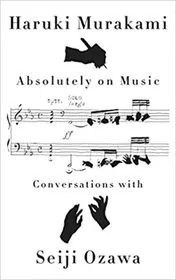
Absolutely on Music
by Haruki Murakami, Seiji Ozawa & Albert Nolla Cabellos
2016
A series of deep conversations between Murakami and the former conductor of the Boston Symphony Orchestra, Seiji Ozawa. They discuss the technical and emotional details of classical music, analyzing performances by Brahms, Beethoven, and Mahler.
Haruki Murakami Goes to Meet Hayao Kawai
by Haruki Murakami & Hayao Kawai
2016
A transcript of conversations between Murakami and the renowned Jungian psychologist Hayao Kawai. They discuss the connections between storytelling, the subconscious, and the healing power of narrative in a changing Japan.
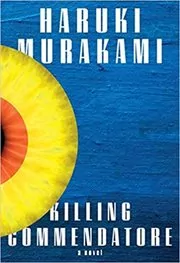
Killing Commendatore
by Haruki Murakami
2017
A portrait painter discovers a hidden painting in an attic that unleashes a chain of mysterious events. To set things right, he must embark on a journey involving a ringing bell, a physical manifestation of an idea, and a descent into a metaphorical underworld.
.jpg)
Men Without Women
by Haruki Murakami
2017
A collection of short stories examining the lives of men who have lost women to other men, death, or indifference. Featuring the story "Drive My Car," these tales explore loneliness, isolation, and the quiet mysteries of human connection.
Recommended by
1 person Barack Obama recommended this book
Barack Obama
Barack Obama's favorite books of 2019 list.
Barack Obama's recommendation of this book
Writers: Their Lives and Works
by Haruki Murakami & Isabel Allende
2018
A richly illustrated reference book profiling more than 80 novelists, poets, and playwrights from the medieval period to the present. Through portraits, manuscripts, artifacts, and concise commentary, it relates each writer’s life to major works, techniques, themes, and cultural setting.
Abandoning a Cat
by Haruki Murakami
2019
Haruki Murakami reflects on his father, a teacher shaped by wartime service, and their long estrangement. Beginning with a remembered cat, this personal essay considers inheritance, abandonment, reconciliation, and the distance that can grow between parents and children.
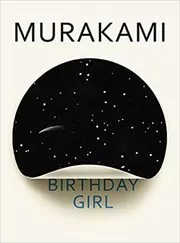
Birthday Girl
by Haruki Murakami
2019
A short story about a waitress who has to work on her twentieth birthday. When she delivers dinner to the reclusive owner of the restaurant, he grants her a single wish, leading to a quiet but life-altering moment.
Murakami 2020 Diary
by Haruki Murakami
2019
A beautifully designed diary and planner featuring quotes and artwork inspired by Murakami's novels. It serves as a companion for fans who want to incorporate his aesthetic and words into their daily planning.
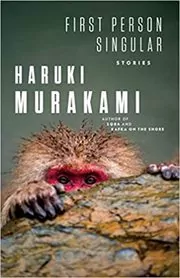
First Person Singular
by Haruki Murakami & Philip Gabriel
2020
A collection of eight stories told in the first person, blurring the line between memoir and fiction. The narrator reflects on youth, jazz, baseball, and strange encounters, including a talking monkey in a hot spring.
Murakami T
by Haruki Murakami & Philip Gabriel
2020
Murakami opens his closet to share his extensive collection of T-shirts. Through photos and short essays, he tells the stories behind the shirts, ranging from surf shop souvenirs to rare record store finds.
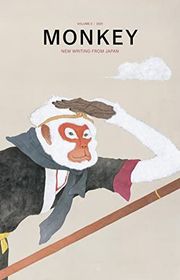
MONKEY New Writing From Japan Volume 2: TRAVEL
by Haruki Murakami
2021
A full-color, travel-themed issue of MONKEY that brings together contemporary Japanese writing, fresh translations of earlier work, poetry, essays, and a graphic story. Haruki Murakami contributes the essay “Jogging in Southern Europe,” alongside work by writers including Mieko Kawakami and Aoko Matsuda.
Haruki Murakami Manga Stories 1: Super-Frog Saves Tokyo, The Seventh Man, Birthday Girl, Where I'm Likely to Find It
by Haruki Murakami
2023
The first volume of manga adaptations of Murakami's short stories. Visual artists reinterpret tales like "Super-Frog Saves Tokyo" and "The Seventh Man," bringing the author's surreal imagery to the page in graphic novel format.
Rashomon and Seventeen Other Stories
by Ryūnosuke Akutagawa & Haruki Murakami
2023
A collection of classic short stories by Ryūnosuke Akutagawa, the father of the Japanese short story. This edition features an introduction by Haruki Murakami, who discusses Akutagawa's influence and legacy.
Haruki Murakami Manga Stories 2: The Second Bakery Attack, Samsa in Love, Thailand
by Haruki Murakami, Jc Deveney & PMGL
2024
Volume two of the manga series, featuring adaptations of "The Second Bakery Attack," "Samsa in Love," and "Thailand." The graphic format adds a new visual dimension to these classic stories of hunger, transformation, and travel.
The City and Its Uncertain Walls
by Haruki Murakami
2024
A full-length novel expanding on a story Murakami wrote in 1980. A man searches for a lost love who claimed her true self lived in a walled city where shadows must be severed. He eventually finds his way to that mysterious place.
Haruki Murakami Manga Stories 3: Scheherezade, Sleep
by Haruki Murakami, Jc Deveney & PMGL
2025
The third volume of manga adaptations, focusing on the stories "Scheherazade" and "Sleep." These visual retellings capture the dreamlike, insomniac atmosphere central to Murakami's shorter fiction.
Super-Frog Saves Tokyo
by Haruki Murakami
2025
A colossal six-foot frog appears in the apartment of a bank employee named Katagiri. The frog asks for his help to fight a giant worm beneath the city and prevent a catastrophic earthquake in Tokyo.
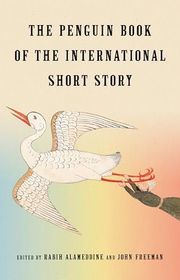
The Penguin Book of the International Short Story
by Haruki Murakami
2026
Edited by Rabih Alameddine and John Freeman, this anthology brings together short fiction from writers across six continents, translated from many languages. The selection pairs established international authors with newer voices and includes Haruki Murakami’s “Super-Frog Saves Tokyo.”
Where to start with Haruki Murakami
If you want a realistic, nostalgic love story:
Norwegian Wood → South of the Border, West of the Sun
If you want a surreal, metaphysical mystery:
The Wind-Up Bird Chronicle → Kafka on the Shore → 1Q84
If you want a shorter, noir-inspired introduction:
A Wild Sheep Chase → Dance Dance Dance
Haruki Murakami sub-series and character series
Kishidancho Goroshi books in order
Explore this seriesKishidancho Goroshi books in chronological order
Haruki Murakami collections, short stories, and related book types
Non-Fiction
Underground: The Tokyo Gas Attack and the Japanese Psyche
by Haruki Murakami
2000The Tokyo Gas Attack and the Japanese Psyche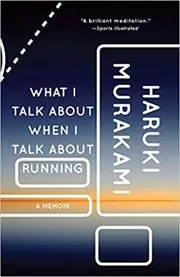
村上さんのところ
by Haruki Murakami
2015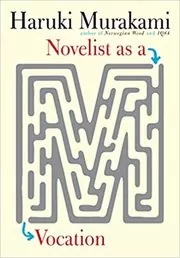

by Haruki Murakami, Seiji Ozawa & Albert Nolla Cabellos
2016Conversations with Seiji Ozawa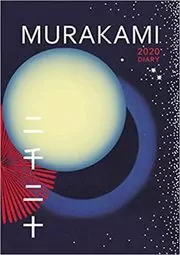

Anthologies

The Campfire Collection: Spine-tingling Tales to Tell in the Dark
by Eric Martin & Haruki Murakami
2000The Vintage Book of Amnesia
by Haruki Murakami
2000
Year's Best Fantasy and Horror: Sixteenth Annual Collection
by Ellen Datlow, Haruki Murakami & Theodora Goss
2003The Diogenes Club, Book 11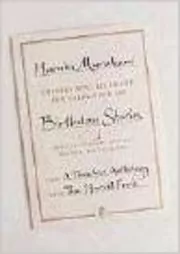
The Believer Book of Writers Talking to Writers
by Vendela Vida, Marilynne Robinson, Haruki Murakami & John Banville
2005
Alone in the Kitchen with an Eggplant: Confessions of Cooking for One and Dining Alone
by Jenni Ferrari-Adler, Ann Patchett & Haruki Murakami
2007

Graphic Novels


Haruki Murakami Manga Stories 2: The Second Bakery Attack, Samsa in Love, Thailand
by Haruki Murakami, Jc Deveney & PMGL
2024
Short Stories/Novellas
On Seeing the 100% Perfect Girl on One Beautiful April Morning
by Haruki Murakami
1981The Vampire Cabbie
by Haruki Murakami
1983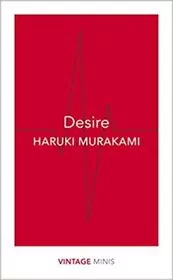
Kangaroo Weather
by Haruki Murakami
1986Sleep
by Haruki Murakami
1987

Short Story Collections
Standalone Haruki Murakami books
村上さんのところ
by Haruki Murakami
2015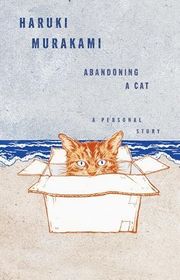


Author bio
Haruki Murakami is one of the most famous writers in the world, yet he often seems like he would prefer to be just a face in the crowd. Born in Kyoto in 1949 and raised in the port city of Kobe, he grew up as an only child. His father was the son of a Buddhist priest and his mother came from a merchant family, giving him a very traditional Japanese background. However, Murakami wasn’t interested in tradition.
Instead, he fell in love with Western culture.
As a young man, he spent his time reading American paperbacks by authors like Kurt Vonnegut and Richard Brautigan. He listened to Western music and developed a deep obsession with jazz. This cultural rebellion would eventually shape the unique voice of his fiction, making him feel distinct from other Japanese writers of his generation.
He met his wife, Yoko, while studying drama at Waseda University in Tokyo. They didn't jump straight into the literary world. Instead, they opened a jazz bar called Peter Cat. For several years, Murakami spent his days making sandwiches and mixing drinks, and his nights listening to records. He didn't plan on being a writer at all.
That changed in a single moment in April 1978.
Murakami was sitting in the outfield stands at Jingu Stadium, watching the Yakult Swallows play baseball against the Hiroshima Carp. An American player named Dave Hilton hit a double. According to Murakami, the crack of the bat gave him a sudden, unexplained realization: he could write a novel.
He went home and started writing that very night. working at his kitchen table after the bar closed. The result was Hear the Wind Sing, a short novel that won a new writers' prize and launched his career.
His early work was cool, detached, and slightly surreal, gaining him a cult following. But everything changed with the publication of Norwegian Wood in 1987. Unlike his other books, this was a realistic, nostalgic romance. It was a massive hit in Japan, turning him into a reluctant pop culture icon. The attention was so intense that he eventually left the country, living in Europe and the United States for many years to write in peace.
Reading a Murakami book feels like stepping into a waking dream.
His stories, such as A Wild Sheep Chase, The Wind-Up Bird Chronicle, and Kafka on the Shore, blend the boringly ordinary with the wildly impossible. Characters cook simple spaghetti dinners and iron their shirts, but they also talk to cats, climb down into dry wells, and slip into parallel worlds. There is almost always a mystery, a bit of old jazz, and a sense of deep, quiet loneliness.
Despite the dreamlike quality of his work, Murakami is incredibly grounded in his daily life. He does not fit the stereotype of the unhealthy, bohemian artist. In his thirties, he decided to get serious about his health to sustain his writing career. He started running and never stopped.
He has completed dozens of marathons and triathlons over the years. He even wrote a memoir about it titled What I Talk About When I Talk About Running, where he compares the endurance needed for long-distance running to the mental stamina required to write a long novel.
Today, Murakami is a global superstar with work translated into more than fifty languages. When he isn't writing his own novels, he often translates American literature—like The Great Gatsby or The Catcher in the Rye—into Japanese. He sticks to a strict routine of waking up early, working, running, and listening to his massive collection of vinyl records. He remains a humble, disciplined craftsman who just happens to be a literary giant.






Edited by
Software engineer whose passion for tracking book recommendations from podcasts inspired the creation of MRB.
Lead investor at 3one4 Capital whose startup expertise and love for books helped shape MRB and its growth.
Comments
Did we miss something? Have feedback?
Help us improve this page by sharing your thoughts