
The Rat Books in Order
Part ofHaruki Murakami Books in OrderThe Rat series by Haruki Murakami, covering the early novels featuring the unnamed narrator and his friend, the Rat.
Last updated:
As an Amazon Associate, we earn from qualifying purchases (at no extra cost to you).
The Rat books in publication order
4 books
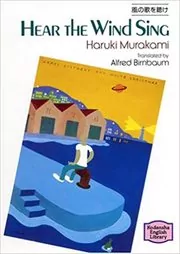
Hear the Wind Sing
by Haruki Murakami
1979
Murakami's debut novella, set during a hot summer in 1970. An unnamed biology student returns to his hometown, drinks beer at J’s Bar with his friend the Rat, and muses on writing and relationships in a series of fragmented, breezy vignettes.
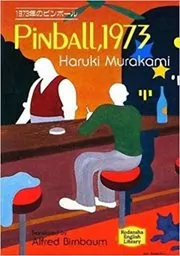
Pinball, 1973
by Haruki Murakami
1980
The sequel to *Hear the Wind Sing* finds the narrator living in Tokyo with nameless twins while obsessively searching for a specific pinball machine he once loved. Meanwhile, the Rat struggles with his own drift and isolation back in their hometown.
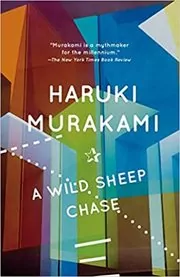
A Wild Sheep Chase
by Haruki Murakami
1982
An advertising executive is forced by a mysterious right-wing organization to track down a specific sheep with a star on its back. His search leads him from Tokyo to the snowy mountains of Hokkaido, where he confronts the ghosts of his friend, the Rat.
Recommended by
1 person Brian Koppelman recommended this book
Brian Koppelman
"If you have always wanted to read [this author], I think this [Covid-19] period of time is perfect for it. He could have conceived of this whole thing." - Brian Koppelman
Brian Koppelman's recommendation of this book
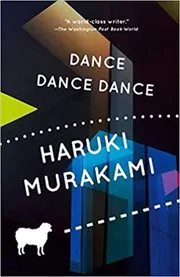
Dance, Dance, Dance
by Haruki Murakami
1988
The narrator of *A Wild Sheep Chase* returns to the Dolphin Hotel, only to find it transformed into a modern high-rise. He teams up with a clairvoyant teenage girl and an old friend to solve a murder mystery that spans the physical and spiritual worlds.
The Rat books in chronological order
Series background & context
Haruki Murakami’s career didn't start with a massive, complex epic. It began with "The Rat." This collection—often referred to as the Trilogy of the Rat, even though it actually contains four books—represents the author’s earliest steps into fiction. It chronicles the lives of a detached, unnamed narrator and his estranged, wealthy friend known simply as "the Rat."
The story kicks off in a quiet seaside town during the 1970s. Most of the action, at least in the beginning, centers on wasting time. The characters spend their days drinking beer, smoking cigarettes, and listening to the jukebox at J’s Bar. It feels less like a structured plot and more like a captured mood of post-student-movement Japan. The narrator and the Rat are dealing with a specific kind of youthful boredom, wondering where their idealism went and what they are supposed to do next.
Hear the Wind Sing and Pinball, 1973 are the first two distinct chapters. These are short, fragmented works. They don't really follow the rules of traditional storytelling. Instead, they offer scattered snapshots of life, flickering between the narrator’s drift through early adulthood and the Rat’s slow withdrawal from society. You can see the blueprint of future Murakami classics here—the obsession with pinball machines, the mysterious women who vanish, and the pervasive sense of loneliness.
Then, everything changes.
With A Wild Sheep Chase, the series takes a sharp turn from moody vignettes to a driving narrative. The narrator is forced out of his quiet life by a shadowy right-wing organization. His mission is absurdly specific: find a singular sheep with a star on its back. This is where the surrealism truly takes hold. The mundane drinking sessions are replaced by a cross-country quest that leads to the snowy mountains of Hokkaido.
The saga officially wraps up with Dance Dance Dance. While technically a sequel to the trilogy, it feels essential to the whole journey. The narrator returns to the eerie, run-down Dolphin Hotel, trying to make sense of the people he lost along the way. It is a darker, more mature story about capitalism and the supernatural need to keep moving—to keep dancing—so the world doesn't swallow you whole.
Reading these books in order offers a fascinating look at a writer finding his voice. You watch the prose evolve from the simple, rough sketches of the early days into the confident, magical realism that made Murakami a global superstar. It isn't just a set of stories about a guy and his friend. It is a long, strange goodbye to the confusing days of youth.











Edited by
Software engineer whose passion for tracking book recommendations from podcasts inspired the creation of MRB.
Lead investor at 3one4 Capital whose startup expertise and love for books helped shape MRB and its growth.
Comments
Did we miss something? Have feedback?
Help us improve this page by sharing your thoughts