
Gene Kerrigan Books in Order
Explore Gene Kerrigan books in order, with short summaries, where-to-start tips, and guides to his Dublin crime novels, memoir, and nonfiction.
Last updated:
As an Amazon Associate, we earn from qualifying purchases (at no extra cost to you).
Gene Kerrigan books in publication order
13 books
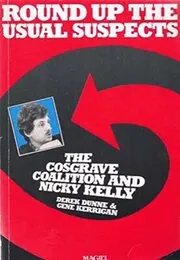
Round Up the Usual Suspects
by Gene Kerrigan
1984
Co-written with Derek Dunne, this book starts with a train robbery and follows the Nicky Kelly case through prison, appeals, and public controversy. It also becomes a portrait of 1970s Ireland, where policing, politics, and justice were all under strain.
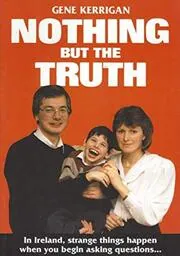
Nothing But the Truth
by Gene Kerrigan
1990
Built around the idea that strange things happen when questions are asked in Ireland, this nonfiction book examines public life with a skeptical reporter's eye. It is a sharp look at secrecy, power, and the evasions that follow scrutiny.
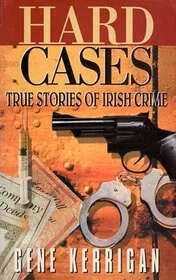
Hard Cases
by Gene Kerrigan
1995
These true crime pieces revisit Irish cases involving drugs, violence, robbery, murder, and abuse. Kerrigan's reporting keeps the focus on the human cost, and on what the justice system reveals about the society around it.
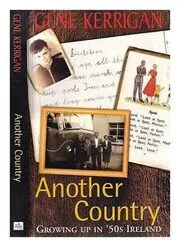
Another Country
by Gene Kerrigan
1998
In this memoir, Kerrigan looks back on childhood in 1950s Dublin, from school and family life to television, religion, and the small rituals of the time. It is affectionate, funny, and clear-eyed about a harsher Ireland beneath the nostalgia.
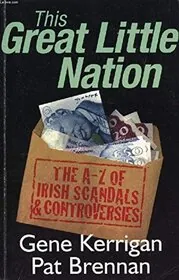
This Great Little Nation
by Gene Kerrigan
1999
Co-written with Pat Brennan, this A to Z tour of Irish scandals and controversies ranges from church abuse to political sleaze and financial trickery. It is a brisk, often biting map of the stories that helped shape modern Ireland.
Yeats Is Dead!
by Joseph O'Connor, Roddy Doyle, Conor McPherson, Gene Kerrigan, Gina Moxley, Marian Keyes, Anthony Cronin, Owen O'Neill, Hugo Hamilton, Tom Humphries, Pauline McLynn, Charlie O'Neill, Donal O'Kelly, Gerard Stembridge & Frank McCourt
2001
Created by fifteen Irish writers, including Marian Keyes, this collaborative comic mystery follows a scramble for an unpublished James Joyce manuscript. Murder, literary scheming, and an unruly cast send the chase careering through contemporary Dublin.
Never Make a Promise You Can't Break
by Gene Kerrigan
2002
Kerrigan takes a darkly funny look at Irish politics, showing how ambition, spin, and backroom maneuvering shape public life. Part satire and part field guide, it asks what it really takes to climb the ladder.
Little Criminals
by Gene Kerrigan
2005
Small-time thug Frankie Crowe wants one big score and settles on kidnapping a wealthy Dublin businessman. The plan is shaky from the start, and as loyalties crack, the job turns uglier and more dangerous for everyone involved.
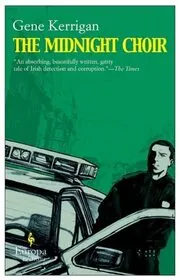
The Midnight Choir
by Gene Kerrigan
2006
Inspector Harry Synnott juggles a rape case, a bank robbery, and witnesses who may be too frightened to talk. Kerrigan threads several investigations together to show a Dublin where crime, money, and survival are tangled tight.
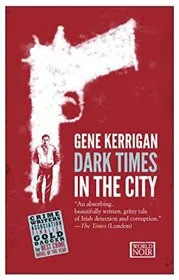
Dark Times in the City
by Gene Kerrigan
2009
Ex-con Danny Callaghan steps into a Dublin pub fight and suddenly finds himself trapped between police questions and gangland revenge. His small act of decency drags him back toward the life he wanted to leave behind.
The Rage
by Gene Kerrigan
2011
Fresh out of jail, professional thief Vincent Naylor plans a robbery that starts coming apart almost at once. As Detective Sergeant Bob Tidey investigates a banker's murder, a retired nun's phone call pulls cops, crooks, and old compromises into the same blast radius.
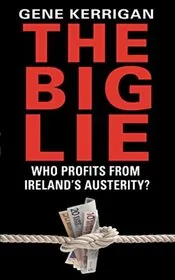
The Big Lie
by Gene Kerrigan
2012
In this clear-eyed work of political nonfiction, Kerrigan challenges the official story of Ireland's crash and austerity years. He follows the banks, the politicians, and the people who paid the price, asking who really benefited.
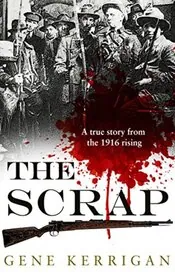
The Scrap
by Gene Kerrigan
2015
Kerrigan turns to history in this account of the 1916 Easter Rising, following F Company, 2nd Battalion from Fairview to the GPO. Using firsthand testimony, he shows the confusion, fear, humor, and violence of the week on the ground.
Where to start with Gene Kerrigan
If you want the best first read: The Rage
If you want the Dublin crime novels in order: Little Criminals → The Midnight Choir → Dark Times in the City → The Rage
If you want memoir and social history: Another Country → This Great Little Nation
If you want political nonfiction: Never Make a Promise You Can't Break → The Big Lie
Gene Kerrigan collections, short stories, and related book types
Non-Fiction
Standalone Gene Kerrigan books
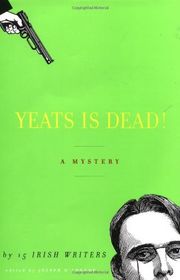
by Joseph O'Connor, Roddy Doyle, Conor McPherson, Gene Kerrigan, Gina Moxley, Marian Keyes, Anthony Cronin, Owen O'Neill, Hugo Hamilton, Tom Humphries, Pauline McLynn, Charlie O'Neill, Donal O'Kelly, Gerard Stembridge & Frank McCourt
2001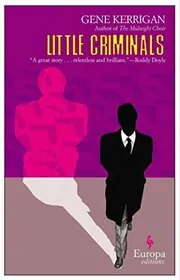

Author bio
Gene Kerrigan was born in Dublin and grew up in Cabra, on the north side of the city. Before many readers knew him as a crime novelist, he was already a familiar presence in Irish journalism, writing about politics, crime, and the way power works when nobody wants to explain themselves. That long view matters. It helps explain why even his fiction feels so rooted in ordinary streets, ordinary speech, and very unordinary pressure.
From the 1970s onward, he wrote political commentary and reportage for Irish publications including Magill and the Sunday Independent, and he also contributed to International Socialism. He built a reputation for taking on hard subjects, especially where policing, public money, and political power overlapped. He was named Journalist of the Year in 1985 and again in 1990. Long before he published a novel, readers already knew him as a writer who did not take official stories at face value.
He came to fiction late.
That shift happened after decades of reporting. His first novel, Little Criminals, arrived in 2005, followed by The Midnight Choir. Both books draw on the changing Dublin he had watched for years, a city where quick money, old loyalties, and casual violence sit close together. Readers who like crime fiction with a strong sense of place tend to respond to the way Kerrigan writes gangland figures, police officers, and bystanders as people rather than types. The plots move fast, but the books are just as interested in motive, class, and the small lies people tell themselves.
Dublin is never just a backdrop in his books.
In Dark Times in the City, an ex-con's split-second decent act traps him between police and gangland. In The Rage, a robber, a detective, and a retired nun are pulled into the fallout of one bad plan in post-crash Ireland. Those novels helped bring Kerrigan a wider audience. Dark Times in the City was shortlisted for the Gold Dagger and won the Irish Book Awards crime fiction prize, and The Rage went on to win the Crime Writers' Association Gold Dagger in 2012. Readers often come to him for the tension and the plotting, then stay for the moral messiness and the close-grained picture of modern Dublin.
His nonfiction shows the same interests from different angles. Another Country looks back at childhood in 1950s Ireland, mixing warmth, humor, and sharp memory. The Big Lie takes on the official story of austerity after Ireland's financial crash, asking who paid and who profited. In The Scrap, he turns to the 1916 Easter Rising, following one rebel unit through the chaos of that week. Across all three, he keeps returning to the gap between public language and lived reality.
What many readers like most about Kerrigan is the plainness of the writing. He does not lean on fancy effects. He pays attention to who gets hurt, who gets away clean, and who is expected to carry the cost. He lives in Dublin, and that city remains the center of much of his work, whether he is writing memoir, reporting, political argument, or crime fiction. Even when the stories get dark, the voice stays human, curious, and alert to the people at the edge of the frame.









Edited by
Software engineer whose passion for tracking book recommendations from podcasts inspired the creation of MRB.
Lead investor at 3one4 Capital whose startup expertise and love for books helped shape MRB and its growth.
Comments
Did we miss something? Have feedback?
Help us improve this page by sharing your thoughts