
Gene Stratton Porter Books in Order
See Gene Stratton Porter books in order with summaries, Limberlost context, and tips to help you choose where to start with her fiction and nature writing.
Last updated:
As an Amazon Associate, we earn from qualifying purchases (at no extra cost to you).
Gene Stratton Porter books in publication order
28 books
Strike at Shane's
by Gene Stratton Porter
1893
Strike at Shane's is a humane animal story in which the abused horses, dogs, and barnyard birds on an Indiana farm band together in a kind of strike. Their quiet rebellion forces the Shane family to rethink cruelty and responsibility toward animals.
Freckles
by Gene Stratton Porter
1904
Freckles centers on a one handed Irish orphan who takes a job guarding valuable timber in the Limberlost Swamp. As he patrols the wild borderland, he discovers birds, friendships, and first love, and must face down thieves who threaten the forest he has come to cherish.

The Song of the Cardinal
by Gene Stratton Porter
1906
The Song of the Cardinal is a brief novel that follows a brilliant red cardinal through courtship, nesting, and danger along the Wabash River. His music transforms the outlook of an aging farm couple who come to see their land with fresh gratitude.

At the Foot of the Rainbow
by Gene Stratton Porter
1907
At the Foot of the Rainbow tells of lifelong friends Jimmy Malone and Dannie Macnoun, who share trapping grounds along the Wabash River and love for the same woman. Their tangled loyalties explore friendship, jealousy, and the hard lessons of rural life.
What I have done with birds
by Gene Stratton Porter
1907
What I have done with birds records Gene Stratton Porter's early years photographing birds around the Limberlost. She explains how she earned each close shot by gaining the birds' trust, creating intimate portraits of nesting, feeding, and everyday routines in the swamp.
A Girl of the Limberlost
by Gene Stratton Porter
1909
A Girl of the Limberlost follows Elnora Comstock, a determined farm girl whose mother resents her, as she struggles to pay for school in rural Indiana. Collecting moths and artifacts from the nearby swamp, she slowly builds friendships, education, and a future of her own.
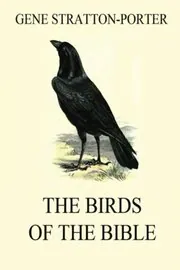
The Birds of the Bible
by Gene Stratton Porter
1909
The Birds of the Bible gathers every bird reference in scripture and pairs it with Gene Stratton Porter's explanations of the species involved. Blending theology and natural history, she explores how doves, eagles, sparrows, and other birds work as symbols and real creatures.

Music of the Wild
by Gene Stratton Porter
1910
Music of the Wild is a series of nature essays that treats wind, water, trees, and birds as a kind of outdoor orchestra. Gene Stratton Porter listens closely to prairies, swamps, and woods while warning how cutting forests and draining wetlands can silence that music.
The Harvester
by Gene Stratton Porter
1911
In The Harvester, herb grower David Langston lives alone near the woods, gathering medicinal plants for a living. A vivid dream of a young woman stirs him to seek love, and the novel follows his courtship of Ruth Jameson against a backdrop of forests and fields.
After the Flood
by Gene Stratton Porter
1912
After the Flood is a gentle animal story in which Cardinal Grosbeak tells younger birds how he survived a great muddy flood. His tale of danger, new wetlands, and fellow creatures becomes a lesson in resilience and wonder at nature's power.
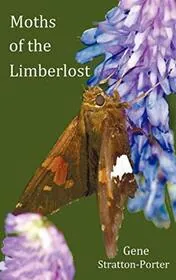
Moths of the Limberlost with Original Photographs
by Gene Stratton Porter
1912
Moths of the Limberlost with Original Photographs is Gene Stratton Porter's detailed account of the spectacular moths that once filled the Limberlost Swamp. She explains each species' life cycle and markings, and describes nights spent raising caterpillars and waiting for wings to open.

Laddie
by Gene Stratton Porter
1913
Told by a lively younger sister simply called Little Sister, Laddie paints a warm picture of a large farm family in the 1850s. At its heart is the romance between her admired brother Laddie and their reserved English neighbor, Pamela Pryor.
Birds of the Limberlost
by Gene Stratton Porter
1914
Birds of the Limberlost is a family friendly guide to the birds that lived around Gene Stratton Porter's Indiana cabin. Short sketches describe each species' appearance, calls, nesting habits, and favorite haunts, often tied to walks and photography trips in the swamp.

Michael O'Halloran
by Gene Stratton Porter
1915
Michael O'Halloran introduces Mickey, a quick witted city newsboy who supports himself and takes in a fragile little girl he calls Peaches. As he searches for a safer home for them both, the novel moves between crowded streets and the promise of country life.
Friends In Feathers
by Gene Stratton Porter
1917
Friends In Feathers revises and expands What I have done with birds, pairing Gene Stratton Porter's photographs with stories of how each picture was made. Her friendly tone and patient fieldwork show how wild birds gradually came to trust her presence.
A Daughter of the Land
by Gene Stratton Porter
1918
A Daughter of the Land centers on Kate Bates, the youngest daughter in a hard working Indiana farm family who longs for schooling and acreage of her own. Defying her parents, she pursues teaching, marriage, and finally the independence of running her own farm.

Homing With the Birds
by Gene Stratton Porter
1919
Homing With the Birds is part memoir, part natural history, recounting Gene Stratton Porter's lifetime of watching birds along rivers, fields, and swamps. Written in plain language, it describes songs, nest building, migrations, and the small dramas of bird families.
Her Father's Daughter
by Gene Stratton Porter
1921
Her Father's Daughter follows Linda Strong, an earnest student in southern California, as she tries to live up to her father's ideals while managing school, work, and young love. The story also reflects the era's strong anti Asian prejudice, which many readers now find painful.

The White Flag
by Gene Stratton Porter
1923
Set in the small town of Ashwater, The White Flag traces the Spellman family's climb toward respectability through the eyes of Elizabeth and her daughter Mahala. Their choices about money, marriage, and pride reveal sharp contrasts between wealthy households and struggling neighbors.

Wings
by Gene Stratton Porter
1924
In Wings, Gene Stratton Porter writes about birds in flight, at the nest, and on migration. She turns field notes from Indiana marshes and forests into lively sketches that stress the beauty of ordinary species and the need to guard their habitats.
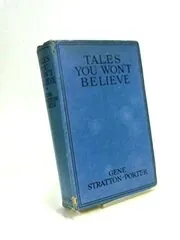
Tales You Won't Believe
by Gene Stratton Porter
1925
Tales You Won't Believe gathers some of Gene Stratton Porter's most imaginative nature stories, from uncanny migrations and storms to animals with almost human quirks. The short pieces read like campfire tales grounded in careful observation of woods and water.
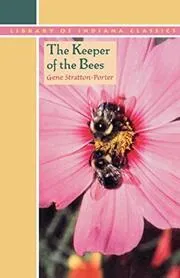
The Keeper of the Bees
by Gene Stratton Porter
1925
A gravely ill World War I veteran slips away from a California hospital and is taken in by an old beekeeper on the coast. Caring for the hives, a spirited child called Little Scout, and a mysterious young woman slowly restores his hope.

Let Us Highly Resolve
by Gene Stratton Porter
1927
Let Us Highly Resolve brings together Gene Stratton Porter's magazine essays on character, community, and conservation. Drawing on everyday incidents, she urges readers to make deliberate choices about kindness, work, and protecting land and wildlife.

The Magic Garden
by Gene Stratton Porter
1927
In this later romance, childhood playmates Amaryllis and John share a hidden garden and vow to meet again as adults. Years and hardships intervene, and the story follows their reunion, testing whether memory, music, and love can rebuild what was lost.

Experiences in Observing and Photographing Birds
by Gene Stratton Porter
1990
Experiences in Observing and Photographing Birds collects Gene Stratton Porter's practical reflections on learning to approach wild birds with a camera, blending field tips, close up encounters at nests and feeding grounds, and her belief in patient, respectful watching.
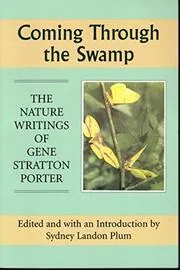
Coming Through the Swamp
by Gene Stratton Porter
1996
Coming Through the Swamp gathers Gene Stratton Porter's most evocative nature essays and story excerpts, from riverbanks to the Limberlost. The pieces highlight birds, moths, wetlands, and her growing alarm over the loss of wild places.

The Fire Bird
by Gene Stratton Porter
2010
The Fire Bird is a long narrative poem set among fictional Indigenous tribes of the Northwest, built around a legend of a little gray bird that brings fire back to earth. Through the figure of Yiada, it weaves themes of love, sacrifice, and spiritual longing.

Jesus of the emerald
by Gene Stratton Porter
2020
Jesus of the emerald is a narrative poem based on the Lentulus legend, imagining a Roman envoy sent by Tiberius to report on Jesus of Judea. Gene Stratton Porter follows his search and then reflects on the story's meaning in a prose afterword.
Where to start with Gene Stratton Porter
If you want her classic Limberlost stories first: Freckles → A Girl of the Limberlost → The Harvester.
If you like warm family and farm life drama: Laddie → A Daughter of the Land.
If you prefer reflective later work set in California: The Keeper of the Bees → The Magic Garden.
If you want more nature than plot: What I have done with birds → Moths of the Limberlost with Original Photographs → Music of the Wild.
If you are choosing books for younger readers: After the Flood → Birds of the Limberlost.
Gene Stratton Porter sub-series and character series
Gene Stratton Porter collections, short stories, and related book types
Poetry Collections
Non-Fiction
Standalone Gene Stratton Porter books
Author bio
Gene Stratton Porter was born Geneva Grace Stratton on August 17, 1863, on a farm near Lagro in Wabash County, Indiana. The youngest of twelve children of a Methodist minister and a homemaker, she grew up with chores that always seemed to circle back to birds and gardens.
As a child she roamed pastures, creeks, and woodlots, teaching herself the names of wildflowers and watching the daily habits of meadowlarks and cardinals. Those long unsupervised walks became the emotional core of almost everything she later wrote.
In 1886 she married Charles Dorwin Porter, a pharmacist and businessman, and kept both surnames. After early years in Decatur the couple settled in Geneva, Indiana, where new oil money helped them build Limberlost Cabin, a big log house set near a 13,000 acre swamp that locals mostly viewed as a nuisance.
Porter saw the Limberlost as a living laboratory. A camera from her husband and daughter set her on a new course, and she began hauling heavy equipment into the swamp to photograph birds and moths at close range. Those field days led to magazine columns on nature photography and, eventually, to a steady stream of essays for national magazines.
Fiction started almost as an experiment. Her first novel, The Song of the Cardinal, grew out of anger at a brilliantly colored bird shot for sport. She followed it with Freckles, A Girl of the Limberlost, The Harvester, Laddie, and other stories in which farm families, orphans, and solitary woodsmen find purpose in the marshes and hardwoods of northeast Indiana. At the same time she produced nature books such as What I have done with birds, Moths of the Limberlost with Original Photographs, Birds of the Bible, Music of the Wild, and Homing With the Birds, all written in everyday language for general readers.
By the 1910s her novels were reaching millions of people in the United States and abroad. The income gave her unusual freedom for a woman of her era. She bought land on Sylvan Lake and built the cabin she called Wildflower Woods, turning the grounds into a private wildlife sanctuary, and she spent money and energy fighting drainage projects that threatened Indiana wetlands.
In 1919 Porter moved to southern California, looking for a milder climate and a degree of anonymity she no longer enjoyed at home. There she continued to write fiction and essays, experimented with long narrative poems like The Fire Bird and Jesus of the emerald, and entered the new world of silent film. Frustrated by how studios handled her stories, she eventually founded Gene Stratton Porter Productions so she could help oversee screen versions of her books.
In December 1924 she was killed in Los Angeles when the car she was riding in collided with a streetcar. Years later her remains were brought back to Indiana and buried at Wildflower Woods. Both that property and Limberlost Cabin are now state historic sites that keep her work in front of new visitors.
Today readers remember her for old fashioned but heartfelt stories in which nature is not just a backdrop but a moral force. Her writing helped many early twentieth century families see birds, swamps, and prairies as something to protect, and it still offers a window into the landscapes and attitudes of her time.













Edited by
Software engineer whose passion for tracking book recommendations from podcasts inspired the creation of MRB.
Lead investor at 3one4 Capital whose startup expertise and love for books helped shape MRB and its growth.
Comments
Did we miss something? Have feedback?
Help us improve this page by sharing your thoughts