
Fred Saberhagen Books in Order
Explore Fred Saberhagen books in order, with series lists, quick summaries, reading suggestions, and background on his science fiction, fantasy, and horror.
Last updated:
As an Amazon Associate, we earn from qualifying purchases (at no extra cost to you).
Fred Saberhagen books in publication order
77 books
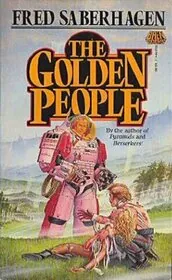
The Golden People
by Fred Saberhagen
1964
A secret program creates a hundred gifted children meant to guide humanity, then one of them may be planning to replace it. The novel folds that threat into the strange world of Golden.
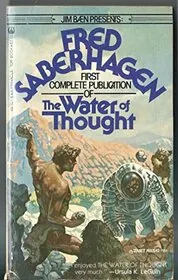
The Water of Thought
by Fred Saberhagen
1965
On Kappa, a mysterious liquid central to native life drives humans mad in wildly different ways. Destroying it may save Earth, but it could also destroy a world.

Berserker
by Fred Saberhagen
1967
The opening Berserker collection introduces the galaxy's deadliest inheritance, self-aware killing machines from an ancient war. Humanity's first answers are courage, improvisation, and grim luck.
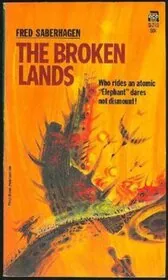
The Broken Lands
by Fred Saberhagen
1968
In a far future warped by ancient catastrophe, Rolf joins the resistance against the Empire of the East. What looks like fantasy is haunted at every turn by the ruins of lost technology.

Brother Assassin / Brother Berserker
by Fred Saberhagen
1969
The Berserker threat reaches across time itself in this classic entry. To save history, one man has to understand an enemy that does not think like any living thing.
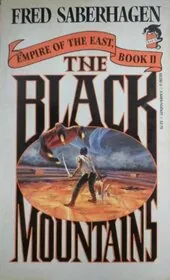
The Black Mountains
by Fred Saberhagen
1971
Rolf and his allies keep fighting across a transformed world where magic has replaced science and the Eastern Empire presses westward. Survival depends on strategy, loyalty, and stubborn hope.
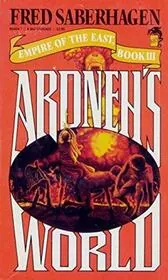
Ardneh's World / Changeling Earth
by Fred Saberhagen
1973
In the shattered far future, the struggle against the Eastern Empire moves toward Ardneh's final confrontation with dark power. Magic, old technology, and destiny meet in the series' turning point.

Berserker's Planet
by Fred Saberhagen
1975
On a world under Berserker pressure, one rebel has little but nerve and primitive weapons. Saberhagen builds a sharp survival tale out of lopsided odds.

The Book of Saberhagen
by Fred Saberhagen
1975
A broad story collection that lets you sample Saberhagen outside any single series. It is a good place to meet the range of his shorter science fiction and fantasy.
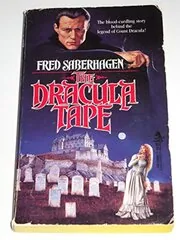
The Dracula Tape
by Fred Saberhagen
1975
Dracula retells the events of Stoker's novel from his own point of view and makes a sharp case for his side of the story. The result is witty, revisionist, and surprisingly human.

Specimens
by Fred Saberhagen
1976
A tense science fiction tale built around observation, captivity, and the unnerving question of who is studying whom. Saberhagen keeps the premise tight and unsettling.

The Holmes-Dracula File
by Fred Saberhagen
1978
Sherlock Holmes, Dr. Watson, and Dracula collide over bloodless corpses, plague threats, and a clever criminal plot. Saberhagen turns an unlikely pairing into a brisk Victorian mystery.
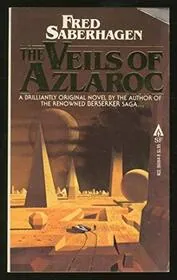
The Veils of Azlaroc
by Fred Saberhagen
1978
Azlaroc is a beautiful trap, a world where the yearly Veil can freeze time and strand visitors forever. Returning travelers, missing loves, and bad timing drive the plot.
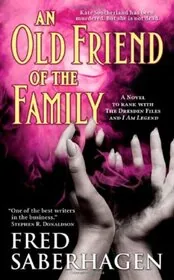
An Old Friend of the Family
by Fred Saberhagen
1979
When the Southerland family invokes an emergency ritual linked to Mina Harker's descendants, Dracula arrives as Dr. Emile Corday. What follows is a family saga stalked by old magic and older grudges.

Berserker Man
by Fred Saberhagen
1979
The war narrows to a chilling possibility, that only a child who is part human and part machine may be able to stop the Berserkers. Saberhagen leans into the moral unease as well as the action.
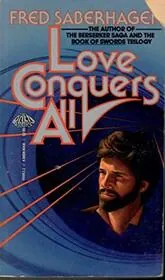
Love Conquers All
by Fred Saberhagen
1979
This dystopian novel imagines a future where sex has become a public creed and older ideas of love are almost subversive. Saberhagen turns social satire into real unease.

The Ultimate Enemy
by Fred Saberhagen
1979
This book-length collection gathers nine Berserker stories and shows the war from several angles. Humans face the machines with courage, trickery, and no guarantee of living through either.
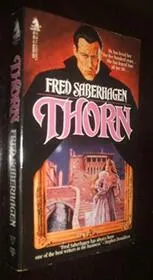
Thorn
by Fred Saberhagen
1980
A modern woman with a dangerous tie to Dracula is pulled into a struggle involving old enemies and new loyalties. The book leans more personal than some of the earlier adventures.
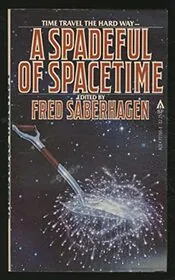
A Spadeful of Spacetime
by Fred Saberhagen
1981
This anthology, edited by Saberhagen, digs into time travel and its favorite problems, paradox, altered history, and the fun of watching one choice change everything.

Earth Descended
by Fred Saberhagen
1981
A story collection that gathers Saberhagen across several science fiction moods, including future Earths, alien pressures, and the clever turns he liked best.
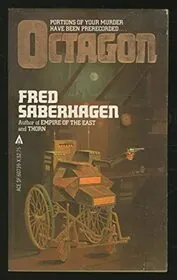
Octagon
by Fred Saberhagen
1981
Alex Barrow discovers that players in the mail game he loves are being murdered. The result is part mystery, part science fiction thriller, and part early virtual-world suspense.

The Berserker Wars
by Fred Saberhagen
1981
More mosaic than single novel, this book follows the long war against the Berserkers through many voices, setbacks, and sudden victories. It shows a galaxy learning how hard survival can be.
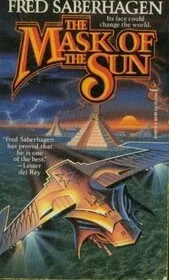
The Mask of the Sun
by Fred Saberhagen
1981
In an alternate world where New World empires survived and history took a very different turn, time war and geopolitics become the same struggle.
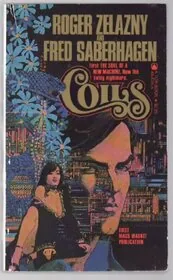
Coils
by Fred Saberhagen
1982
In this collaboration with Roger Zelazny, an ordinary life gets pulled into a hidden war of supernatural powers. Every bargain opens a larger danger.
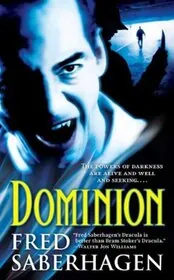
Dominion
by Fred Saberhagen
1982
Set against World War II, this novel sends Dracula into occupied Europe as Nazi evil collides with older horrors. History gives the Count one of his darkest battlefields.
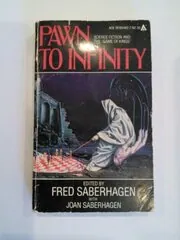
Pawn To Infinity
by Fred Saberhagen
1982
Edited by Fred and Joan Saberhagen, this anthology gathers speculative stories that play with power, fate, and hard choices. It is for readers who like variety over a single storyline.

A Century Of Progress
by Fred Saberhagen
1983
Time travelers step into a future shaped by Nazi victory, where history itself has become a weapon. The alternate-world premise gives the adventure a hard edge.
The First Book of Swords
by Fred Saberhagen
1983
The gods forge twelve Swords of Power for sport and scatter them among mortals. What begins as a game quickly turns into chaos, ambition, and bloodshed.
The Second Book of Swords
by Fred Saberhagen
1983
Years later, the scattered Swords are still reshaping kingdoms and lives. Mark, Ben, and Barbara are drawn into a dangerous hunt where cunning matters as much as magic.

The Third Book of Swords
by Fred Saberhagen
1984
The last volume of the first Swords trilogy draws scattered players and terrible blades into open conflict. Old plots ripen, and the cost of these god-forged weapons becomes impossible to ignore.
Berserker Base
by Fred Saberhagen
1985
Humans reach a Berserker base and discover too late how many kinds of danger wait there. This collaborative novel follows prisoners, explorers, and fighters trapped near the heart of the enemy.
Blue Death
by Fred Saberhagen
1985
When the blue Berserker called Leviathan destroys a colony and kills his daughter, Niles Domingo turns vengeance into a life's purpose. The hunt grows stranger and darker the closer he gets.
The Berserker Throne
by Fred Saberhagen
1985
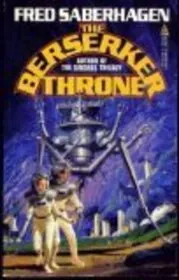
After an empress is assassinated, exiled Prince Harivarman discovers a dormant Berserker and a possible control code. Using it might save him, or doom everyone nearby.
The Frankenstein Papers
by Fred Saberhagen
1986
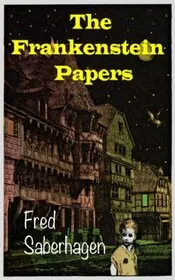
Saberhagen reworks the Frankenstein myth as a strange dossier, asking who the Monster really is and who deserves the blame. It is a brisk, clever corrective to the usual story.
Woundhealer's Story
by Fred Saberhagen
1986
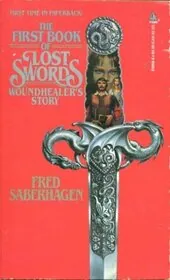
After Baron Amintor steals Woundhealer from the White Temple, Prince Mark races to recover the sword that can heal any wound. The chase becomes a struggle over power, mercy, and desperation.
Pyramids
by Fred Saberhagen
1987
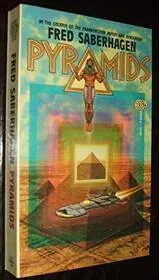
Pilgrim walks into ancient Egypt, where royal ambition, hidden knowledge, and forces older than simple history press in from every side. The setting does a lot of the book's magic.
Sightblinder's Story
by Fred Saberhagen
1987
Prince Mark is trapped, wizards shift sides, and Sightblinder makes its wielder appear as whatever onlookers most want or fear. Escape, betrayal, and illusion drive this tight castle-bound adventure.
The Berserker Attack
by Fred Saberhagen
1987
A compact collection of Berserker tales, this volume shows humanity meeting the killer machines in several different ways, from direct combat to stranger psychological battles.

After the Fact
by Fred Saberhagen
1988
Pilgrim is dropped into a volatile stretch of history where politics, violence, and the possibility of changing events refuse to separate cleanly. Survival and timing matter equally.
Farslayer's Story
by Fred Saberhagen
1988
Farslayer can kill any named target, no matter the distance. When a feud gains hold of the sword, revenge spreads fast and leaves survivors scrambling to stop the next death.
Stonecutter's Story
by Fred Saberhagen
1988
When the sword Stonecutter is stolen, Magistrate Wen Chang and his young assistant Kasimir follow a trail of clues through courts, rebels, and shifting loyalties. It's part fantasy quest, part detective story.
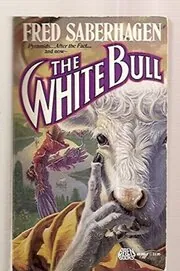
The White Bull
by Fred Saberhagen
1988
Daedalus tells his own story in this sly retelling, where invention, exile, and strange mating plans reshape the myth of the Minotaur. Saberhagen makes the old tale feel newly odd.
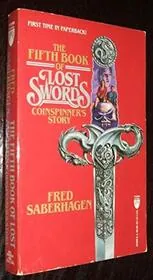
Coinspinner's Story
by Fred Saberhagen
1989
Coinspinner brings luck, but it also changes hands when it chooses. Prince Murat's quest tangles with magic, ambition, and family danger as chance keeps rewriting everyone's plans.
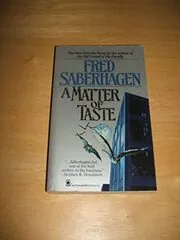
A Matter of Taste
by Fred Saberhagen
1990
A fresh mystery brings Dracula into a case touched by murder, appetite, and dark humor. Saberhagen plays the investigation straight while letting the Count enjoy the telling.
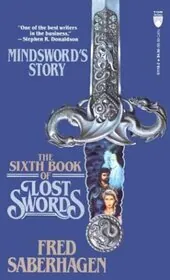
Mindsword's Story
by Fred Saberhagen
1990
Prince Murat finds the Mindsword and means to use it honorably, then learns how easily forced devotion becomes corruption. One drawn blade can turn love, loyalty, and rule into a trap.
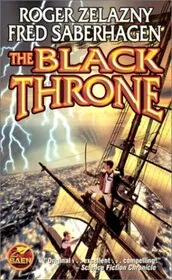
The Black Throne
by Fred Saberhagen
1990
Co-written with Roger Zelazny, this dark fantasy brings Edgar Allan Poe into an occult struggle full of dream logic, danger, and literary Gothic atmosphere.
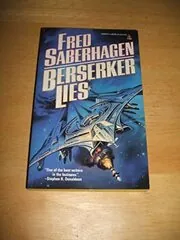
Berserker Lies
by Fred Saberhagen
1991
This collection fights the Berserker war with deceit as often as weapons. Linked stories explore propaganda, manipulation, and the dangerous half-truths told by both machines and people.
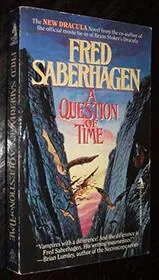
A Question of Time
by Fred Saberhagen
1992
Dracula is drawn into a crisis where time itself becomes unstable and old enemies gain dangerous new room to move. The series' mix of history, wit, and horror turns especially strange here.

Wayspinner's Story
by Fred Saberhagen
1992
A simple grape grower discovers Wayfinder, the Sword of Wisdom, and is pulled into struggles far larger than his life. The blade offers guidance, but not safety.

Berserker Kill
by Fred Saberhagen
1993
A Berserker steals a drifting laboratory loaded with stored human lives and vanishes into deep space. The chase matters because the machines are keeping the cargo intact for some reason.
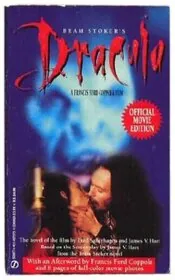
Bram Stoker's Dracula
by Fred Saberhagen
1993
Saberhagen helped novelize the film version of Dracula, leaning into romance, spectacle, and Gothic tragedy. It stands apart from his own revisionist Dracula sequence.
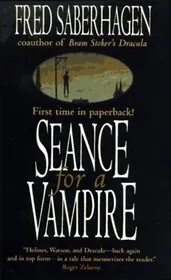
Seance for a Vampire
by Fred Saberhagen
1994
Sherlock Holmes, Dr. Watson, and Dracula reunite when a séance, supposed vampire attacks, and a clever human scheme begin to overlap. Victorian mystery and gothic menace fit together neatly here.
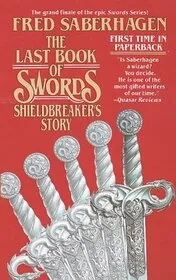
Shieldbreaker's Story
by Fred Saberhagen
1994
Vilkata seizes a city with the Mindsword and turns nearly everyone into loyal followers. Only young Prince Stephen, armed with Shieldbreaker, stands outside the spell and inside the storm.
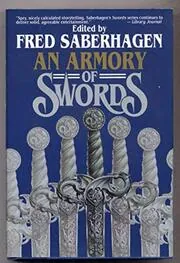
An Armory of Swords
by Fred Saberhagen
1995
This shared-world anthology sends several writers into the Swords universe. Saberhagen's own contribution, Blind Man's Blade, reaches back to the beginning of the deadly game.
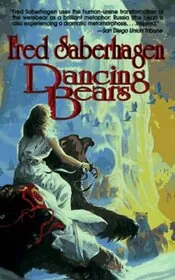
Dancing Bears
by Fred Saberhagen
1995
An American hunter in pre-revolutionary Russia becomes the target of a powerful noble who can turn into a bear. It is part historical adventure, part supernatural chase.
Merlin's Bones
by Fred Saberhagen
1995
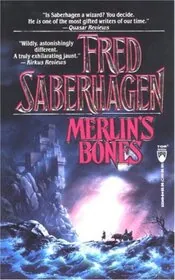
A young performer in the past finds Merlin's bones, while in the near future a scientist is attacked over technology tied to Arthurian legend. The two strands meet around power and inheritance.
A Sharpness on the Neck
by Fred Saberhagen
1996
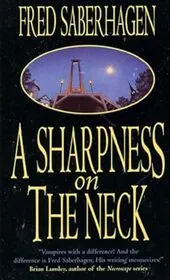
In 1792, Philip Radcliffe carries a letter to Thomas Paine and walks into a feud with a vampire that will haunt his bloodline for generations. Revolution and family history get equally dangerous.

Berserker Fury
by Fred Saberhagen
1997
The Berserkers unveil infiltrators that can pass as human-made androids, and both sides commit everything to a decisive clash. Saberhagen threads espionage, vengeance, and fleet action through the same campaign.

Shiva in Steel
by Fred Saberhagen
1998
As humans prepare to strike a Berserker stronghold, a massive killing intelligence called Shiva threatens whole colonies. The novel builds toward a bruising siege in classic man-versus-machine style.
The Face of Apollo
by Fred Saberhagen
1998
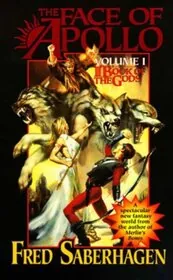
Young Jeremy Redthorn risks himself for a wounded stranger and ends up carrying a mask that can grant a god's power. Delivering it is hard, keeping it away from Apollo is harder.

The Arrival
by Fred Saberhagen
1999
Jonathan Doors helps introduce benevolent-looking aliens called the Companions to Earth, then begins to suspect the promise is too good. First contact turns quickly toward conspiracy.
Ariadne's Web
by Fred Saberhagen
2000
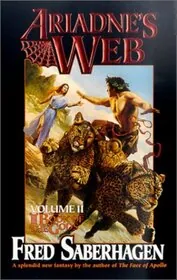
The second Gods book plunges into labyrinths, masks, and divine memory as human players get tangled in the powers of old Greece. Myth stays exciting because it never feels remote.
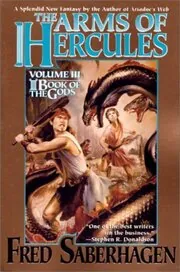
The Arms of Hercules
by Fred Saberhagen
2000
Another god-mask adventure, this time with mortal characters caught up in Hercules, brute force, and the price of carrying legendary power. Saberhagen keeps the myth close to the ground.
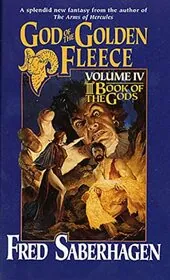
God of the Golden Fleece
by Fred Saberhagen
2001
An injured, half-forgotten Proteus joins Jason and the Argonauts with only scraps of memory and more power than he understands. The quest for the Fleece becomes a search for identity too.
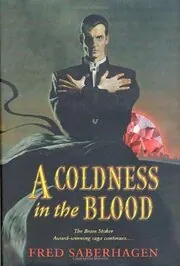
A Coldness in the Blood
by Fred Saberhagen
2002
The Radcliffe family's long war with vampires and old curses reaches into the modern world again. The past has teeth, and it refuses to stay buried.
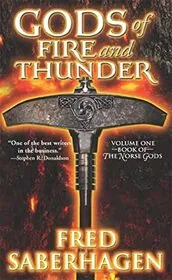
Gods of Fire and Thunder
by Fred Saberhagen
2002
Saberhagen shifts north into Norse legend, mixing gods, danger, and mortal grit with the same grounded touch he brought to Greek myth. Old powers make very human trouble.
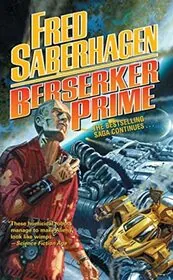
Berserker Prime
by Fred Saberhagen
2003
Political tension on the Twin Worlds is bad enough before the Berserkers arrive. When the machines seize their chance, hostage diplomacy, family loyalties, and survival all collide.

Berserker's Star
by Fred Saberhagen
2003
Fugitive pilot Harry Silver takes a woman to the dangerous world of Maracanda to find her missing husband. The search leads into cult secrets, missing people, and a familiar machine threat.
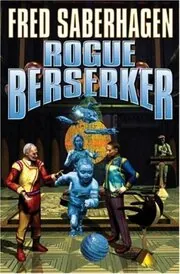
Rogue Berserker
by Fred Saberhagen
2005
Harry Silver's family is taken, and he is forced to face a killing machine even worse than the usual kind, a rogue Berserker with its own unstable malice. Rescue and survival become the same mission.
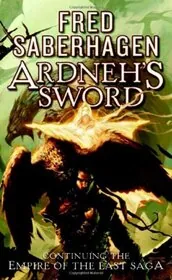
Ardneh's Sword
by Fred Saberhagen
2006
A thousand years after Ardneh's legend, Chance Rolfson joins an expedition hunting proof of the old savior and his hidden vault. His visions suggest the past is not finished with him.
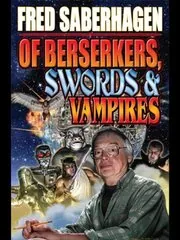
Of Berserkers, Swords and Vampires
by Fred Saberhagen
2009
This retrospective collection samples Saberhagen across his signature modes, space war, mythic fantasy, and revisionist vampire fiction. It is a strong one-volume tour of the range.
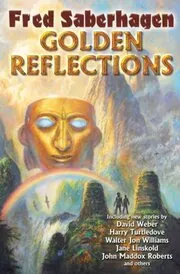
Golden Reflections
by Fred Saberhagen
2011
A memorial anthology and remembrance volume, this book gathers tributes and stories from writers working with ideas and worlds tied to Saberhagen's imagination.

Blind Man's Blade
by Fred Saberhagen
2012
This prequel tale goes back to the beginning, when the newly forged Swords first pass from gods to human hands. A small change at the start could have altered the whole deadly game.

Berserkers The Early Tales
by Fred Saberhagen
2014
This collection gathers the early Berserker stories, where the killer-machine idea still feels new and brutally clean. It is one of the best ways to watch the saga take shape.

Berserkers The Later Tales
by Fred Saberhagen
2015
A later-volume companion to the early tales, this collection shows how the Berserker war widened over time. Expect more angles, more settings, and the same cold central enemy.

Saberhagen The Early Tales
by Fred Saberhagen
2018
A gathering of early shorter work, this volume shows Saberhagen testing ideas that later grew into bigger books and series. Good for readers curious about the starting point.

Saberhagen The Vampire Tales
by Fred Saberhagen
2019
This collection brings together vampire-themed shorter work connected to the part of Saberhagen's writing that fed into his Dracula books. Darker, tighter, and easy to sample.
Where to start with Fred Saberhagen
If you want killer-machine space war: Berserker → The Ultimate Enemy → Berserker Kill
If you want mythic fantasy with magic weapons: The First Book of Swords → The Second Book of Swords → The Third Book of Swords
If you want the deeper backstory first: The Broken Lands → The Black Mountains → Ardneh's World / Changeling Earth
If you want Dracula as the hero: The Dracula Tape → The Holmes-Dracula File → An Old Friend of the Family
If you want Greek myth adventure: The Face of Apollo → Ariadne's Web → The Arms of Hercules
Fred Saberhagen sub-series and character series
- Ardneh Sequence books in order
- Berserker books in order
- Book Of The Gods books in order
- Books Of Lost Swords books in order
- Books Of Swords books in order
- Boris Brazil books in order
- Dracula books in order
- Empire Of The East books in order
- Gene Roddenberry's Earth: Final Conflict books in order
- Pilgrim, The Flying Dutchman Of Time books in order
- The Further Adventures Of Sherlock Holmes (Fred Saberhagen) books in order
Books Of Lost Swords books in order
Explore this seriesBooks Of Lost Swords books in chronological order
Gene Roddenberry's Earth: Final Conflict books in order
Explore this seriesGene Roddenberry's Earth: Final Conflict books in chronological order
Pilgrim, The Flying Dutchman Of Time books in order
Explore this seriesPilgrim, The Flying Dutchman Of Time books in chronological order
The Further Adventures Of Sherlock Holmes (Fred Saberhagen) books in order
Explore this seriesThe Further Adventures Of Sherlock Holmes (Fred Saberhagen) books in chronological order
Fred Saberhagen collections, short stories, and related book types
Short Story Collections
Standalone Fred Saberhagen books
Author bio
Fred Saberhagen was born in Chicago on May 18, 1930, and grew up in the Chicago area. Long before he was publishing fantasy and science fiction, he served in the U.S. Air Force during the Korean War and later worked as an electronics technician for Motorola.
He came to writing from a workbench, not from a campus workshop.
While he was at Motorola, he started taking fiction seriously. His first professional sale, the short story Volume PAA-PYX, appeared in 1961, and in 1963 he published Fortress Ship, the first story in what became his long-running Berserker sequence. His first novel, The Golden People, followed in 1964.
From 1967 to 1973 he worked at Encyclopaedia Britannica, editing chemistry articles and writing its entry on science fiction. That background helps explain something about his books. Even when he wrote about gods, vampires, or magic swords, there was usually a problem-solving streak underneath the wonder.
Readers who only know one corner of his work sometimes miss how wide the shelf really is. The Berserker stories imagine self-replicating war machines bent on erasing all life. The Dracula Tape retells Bram Stoker from the Count's point of view, turning a monster into a sharp, funny, and often persuasive narrator. Then The First Book of Swords opens a huge fantasy cycle built around twelve weapons, each with a single impossible power and a habit of making human problems much worse.
He liked a premise you could explain in one breath and then spend a whole book testing.
Across books like The Broken Lands, The Holmes-Dracula File, The Face of Apollo, and Merlin's Bones, the same habits keep showing up. Saberhagen loved old stories, but he did not treat them like museum pieces. He wanted Dracula to argue back, Greek gods to interfere directly, and Arthurian relics to matter in the present. He also kept returning to people who survive by staying calm, noticing details, and thinking one step harder than the danger in front of them.
His fiction moves easily between space opera, historical fantasy, myth retelling, gothic mystery, and alternate history. Sometimes the settings are huge, with empires, planets, and wars. Sometimes the pleasure is more intimate, one voice telling you why the official version of events got it wrong. The line from Empire Of The East to the Swords books, and then on to the Lost Swords novels, shows how much he enjoyed building a world with a long memory.
Saberhagen married fellow writer Joan Spicci in 1968, and they had three children. After leaving Britannica he wrote full time, moved to Albuquerque in 1975, and kept adding to the Berserker, Swords, Dracula, and later Gods books for decades.
He died in Albuquerque on June 29, 2007, at the age of seventy-seven, after prostate cancer. His books still feel lively because the hooks are so direct, killer machines, a revisionist Dracula, swords that each do one terrifying thing. If you like speculative fiction with strong engines, clear stakes, and a little sly humor under the pressure, his work is easy to keep following.
Edited by
Software engineer whose passion for tracking book recommendations from podcasts inspired the creation of MRB.
Lead investor at 3one4 Capital whose startup expertise and love for books helped shape MRB and its growth.
Comments
Did we miss something? Have feedback?
Help us improve this page by sharing your thoughts