
Pilgrim, The Flying Dutchman Of Time Books in Order
Part ofFred Saberhagen Books in OrderSee the Pilgrim, The Flying Dutchman Of Time books by Fred Saberhagen in order, with summaries, series background, and starting advice.
Last updated:
As an Amazon Associate, we earn from qualifying purchases (at no extra cost to you).
Pilgrim, The Flying Dutchman Of Time books in publication order
2 books
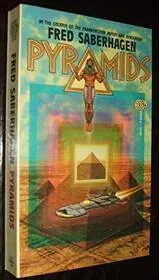
Pyramids
by Fred Saberhagen
1987
Pilgrim walks into ancient Egypt, where royal ambition, hidden knowledge, and forces older than simple history press in from every side. The setting does a lot of the book's magic.

After the Fact
by Fred Saberhagen
1988
Pilgrim is dropped into a volatile stretch of history where politics, violence, and the possibility of changing events refuse to separate cleanly. Survival and timing matter equally.
Pilgrim, The Flying Dutchman Of Time books in chronological order
Series background & context
The Pilgrim books sit a little off to the side of Saberhagen's better known series, but they use many of the same pleasures. These are historical adventures with a speculative twist, built around a wandering central figure who keeps turning up where history, legend, and hidden forces overlap. Instead of one stable kingdom or one fixed future, the setting shifts from book to book.
That movement matters. In Pyramids, the action reaches back into the ancient world and makes old power feel immediate rather than decorative. In After the Fact, the series turns toward later history and the dangerous question of what happens when one traveler knows too much about how events are supposed to unfold. Together the books feel less like a neat saga and more like episodes in a long, unsettled journey.
Pilgrim works well because he is not a shiny chosen one. He feels like a man who has already been through things before the story begins. That gives the books a worn, seasoned mood. He enters a crisis carrying knowledge, caution, and unanswered questions, which lets Saberhagen keep some mystery around the hero while still writing him as competent.
The past is not a museum here.
Rulers, priests, soldiers, and plotters all have immediate needs, and the speculative elements raise the pressure instead of replacing the history. Saberhagen likes putting one prepared mind into a dangerous setting and then asking what changes, what must not change, and what survival costs.
If you enjoy fantasy and science fiction that use historical settings as active problem spaces, these books are worth a look. They are tighter and more nomadic than the big Swords or Berserker cycles, but they scratch a similar itch, clear stakes, old mysteries, and a protagonist who has to think fast when the world turns slippery.




Edited by
Software engineer whose passion for tracking book recommendations from podcasts inspired the creation of MRB.
Lead investor at 3one4 Capital whose startup expertise and love for books helped shape MRB and its growth.
Comments
Did we miss something? Have feedback?
Help us improve this page by sharing your thoughts