
Dracula Books in Order
Part ofFred Saberhagen Books in OrderSee the Dracula series by Fred Saberhagen in order, with short summaries, crossover context, and help picking the best place to start.
Last updated:
As an Amazon Associate, we earn from qualifying purchases (at no extra cost to you).
Dracula books in publication order
10 books
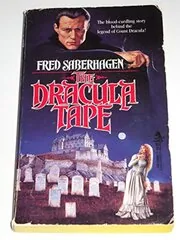
The Dracula Tape
by Fred Saberhagen
1975
Dracula retells the events of Stoker's novel from his own point of view and makes a sharp case for his side of the story. The result is witty, revisionist, and surprisingly human.
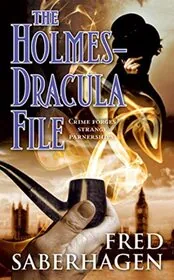
The Holmes-Dracula File
by Fred Saberhagen
1978
Sherlock Holmes, Dr. Watson, and Dracula collide over bloodless corpses, plague threats, and a clever criminal plot. Saberhagen turns an unlikely pairing into a brisk Victorian mystery.
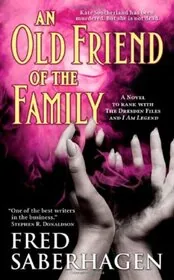
An Old Friend of the Family
by Fred Saberhagen
1979
When the Southerland family invokes an emergency ritual linked to Mina Harker's descendants, Dracula arrives as Dr. Emile Corday. What follows is a family saga stalked by old magic and older grudges.
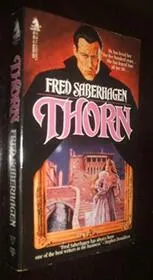
Thorn
by Fred Saberhagen
1980
A modern woman with a dangerous tie to Dracula is pulled into a struggle involving old enemies and new loyalties. The book leans more personal than some of the earlier adventures.
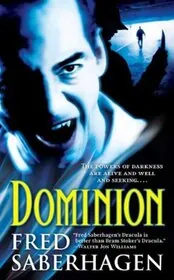
Dominion
by Fred Saberhagen
1982
Set against World War II, this novel sends Dracula into occupied Europe as Nazi evil collides with older horrors. History gives the Count one of his darkest battlefields.
A Matter of Taste
by Fred Saberhagen
1990
A fresh mystery brings Dracula into a case touched by murder, appetite, and dark humor. Saberhagen plays the investigation straight while letting the Count enjoy the telling.
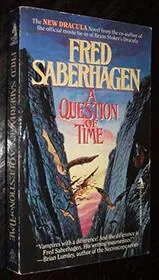
A Question of Time
by Fred Saberhagen
1992
Dracula is drawn into a crisis where time itself becomes unstable and old enemies gain dangerous new room to move. The series' mix of history, wit, and horror turns especially strange here.
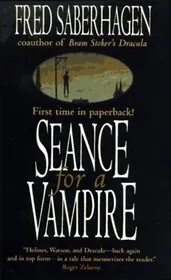
Seance for a Vampire
by Fred Saberhagen
1994
Sherlock Holmes, Dr. Watson, and Dracula reunite when a séance, supposed vampire attacks, and a clever human scheme begin to overlap. Victorian mystery and gothic menace fit together neatly here.
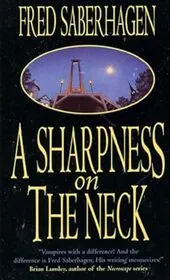
A Sharpness on the Neck
by Fred Saberhagen
1996
In 1792, Philip Radcliffe carries a letter to Thomas Paine and walks into a feud with a vampire that will haunt his bloodline for generations. Revolution and family history get equally dangerous.
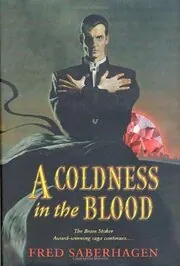
A Coldness in the Blood
by Fred Saberhagen
2002
The Radcliffe family's long war with vampires and old curses reaches into the modern world again. The past has teeth, and it refuses to stay buried.
Dracula books in chronological order
Series background & context
Fred Saberhagen's Dracula books do something smart right away. Instead of treating Count Dracula as a monster to be chased offstage, they hand him the microphone. Beginning with The Dracula Tape, the series reopens Bram Stoker from the Count's point of view and turns him into narrator, defendant, strategist, and occasional dark comedian.
That choice sets the tone for everything that follows. Saberhagen's Dracula is dangerous, proud, and very willing to shade the truth, but he is not automatically the worst creature in the room. The books keep asking whether the official version of a story is also the honest one. Once that door is open, the series can move into mystery, historical adventure, family saga, and crossover without losing its voice.
Later books widen the canvas. Dracula appears under human aliases such as Dr. Emile Corday. He becomes entangled with descendants of earlier characters, crosses paths with Sherlock Holmes and Dr. Watson, and moves through settings that range from Victorian intrigue to darker twentieth-century history. The series stays flexible because the Count himself is flexible.
He is the constant argument at the center.
Another important difference is moral tone. Vampirism here is not a simple label that sorts everyone into good or evil. Choices matter. Loyalty matters. Old obligations matter. That lets Dracula form uneasy alliances and makes his enemies more interesting too, because not all of them are obviously right just because they are mortal.
If you come to these books wanting pure horror, you will find some. But the bigger draw is the voice, the sly courtroom quality of Dracula forever presenting his side of the evidence. Saberhagen turns the famous vampire into a durable series lead by making him intelligent company, even when trusting him would still be a terrible idea.


Edited by
Software engineer whose passion for tracking book recommendations from podcasts inspired the creation of MRB.
Lead investor at 3one4 Capital whose startup expertise and love for books helped shape MRB and its growth.
Comments
Did we miss something? Have feedback?
Help us improve this page by sharing your thoughts