
Brian Lumley Books in Order
Explore Brian Lumley books in order, from Necroscope to Titus Crow, with short summaries, series guides, reading order, and easy tips on where to start.
Last updated:
As an Amazon Associate, we earn from qualifying purchases (at no extra cost to you).
Brian Lumley books in publication order
66 books
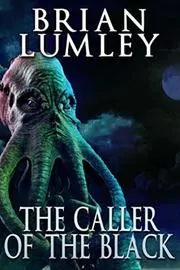
The Caller of the Black
by Brian Lumley
1971
A collection of early Mythos stories that introduces Titus Crow and Henri-Laurent de Marigny alongside haunted objects, sea dread, and cosmic menace. It is one of the clearest windows into Lumley's beginnings as a weird fiction writer.
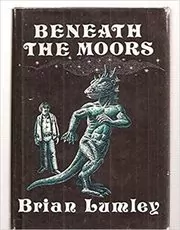
Beneath the Moors
by Brian Lumley
1974
An ancient horror waits under the lonely English moors, hidden in tunnels and old stone. This tight, claustrophobic Mythos novel builds slowly and then sinks its teeth in.
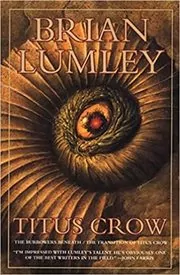
The Burrowers Beneath
by Brian Lumley
1974
Occult investigator Titus Crow and his friend de Marigny uncover a buried threat tied to the Cthulhu Mythos. What begins as inquiry quickly turns into a fight against monstrous forces beneath the earth.
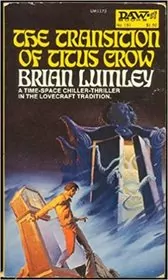
The Transition of Titus Crow
by Brian Lumley
1975
After disaster strikes, Titus Crow is hurled into stranger realms while de Marigny tries to piece together his fate. The series widens here, moving from occult mystery into cosmic adventure.
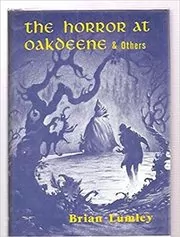
The Horror at Oakdeene and Others
by Brian Lumley
1977
A short story collection of haunted houses, uncanny encounters, and creeping Mythos dread. It is a strong sampler of Lumley's early horror, with several tales that feel compact and nasty in the best way.
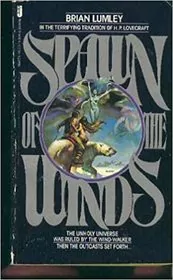
Spawn of the Winds
by Brian Lumley
1978
A search for the Lord of the Winds strands a group of psychics on a frozen alien world. Titus Crow territory gets bigger, colder, and more openly adventurous here.
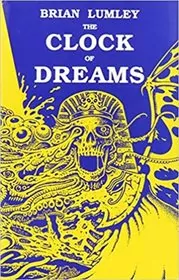
The Clock of Dreams
by Brian Lumley
1978
Henri-Laurent de Marigny uses his extraordinary clock to search for Titus Crow, even if it means stepping into Cthulhu's dreams. Dream logic and cosmic stakes drive this one fast.
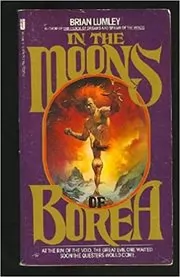
In the Moons of Borea
by Brian Lumley
1979
Crow and his allies push deeper into alien worlds as the struggle against the Elder Gods keeps growing. It mixes cosmic horror with the feel of a strange, pulpy planetary adventure.
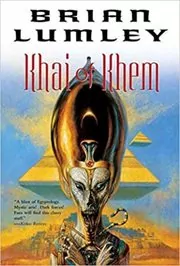
Khai of Khem
by Brian Lumley
1981
In ancient Egypt, Khai learns that the pharaoh he reveres is a withered tyrant obsessed with black magic and endless life. Dark fantasy, escape, and ancient horror all meet here.
Ghoul Warning And Other Omens
by Brian Lumley
1982
Part poetry collection, part gathering of short oddments, this book shows Lumley working in a looser and more experimental register. It is best for readers curious about the stranger edges of his imagination.
Psychomech
by Brian Lumley
1984
After a terrorist blast, Richard Garrison falls under the influence of Thomas Schroeder and a machine that can magnify psychic power. Gratitude soon gives way to suspicion, fear, and questions about immortality.
Psychosphere
by Brian Lumley
1984
Richard Garrison discovers that Psychomech has opened access to a mental plane where thought itself has power. When another mind enters that realm, the danger stops being personal and becomes global.
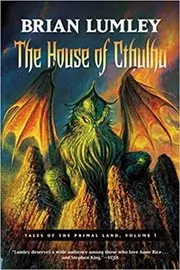
The House of Cthulhu
by Brian Lumley
1984
Linked tales from the Primal Land of Theem'hdra, where sorcerers, assassins, and thieves keep circling forbidden power. Sword-and-sorcery adventure meets Cthulhu Mythos dread.
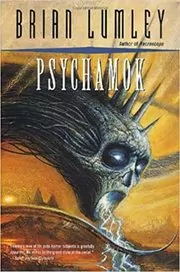
Psychamok
by Brian Lumley
1985
A plague of madness called the Gibbering points back to the machine that changed Richard Garrison's life. Now his son Richard Stone must battle for his sanity against a power gone dangerously wrong.
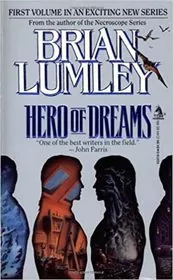
Hero of Dreams
by Brian Lumley
1986
David Hero slips from a dull waking life into the Dreamlands, a place of monsters, wonder, and dangerous temptation. It is the start of a fantasy series where sleep can change everything.

Name and Number
by Brian Lumley
1986
Henri-Laurent de Marigny recounts a Titus Crow clash with murderous occult winds that can strip flesh from bone. Short, direct, and firmly rooted in Lumley's Mythos adventure mode.
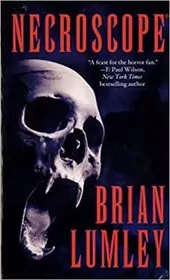
Necroscope
by Brian Lumley
1986
Harry Keogh can speak to the dead, a gift that puts him on a collision course with Soviet psychic espionage and ancient vampire evil. Cold War tension and body horror give the series a fierce start.
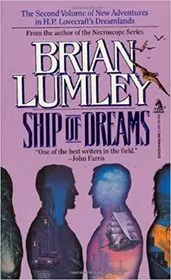
Ship of Dreams
by Brian Lumley
1986
David Hero and Eldin take to the skies while Queen Zura's zombie armies threaten the Dreamlands. Weird creatures, fast danger, and dream-fantasy spectacle keep this one moving.
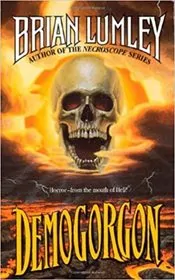
Demogorgon
by Brian Lumley
1987
Charlie Trace knows London's criminal underworld, but he is not ready for the evil called Demogorgon. This standalone horror novel brings something hellish into the modern world and lets it feed.
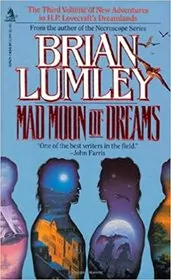
Mad Moon of Dreams
by Brian Lumley
1987
A swollen, unnatural moon drives the Dreamlands toward madness and destruction. David Hero must face a threat so large that even old enemies may have to stand together.
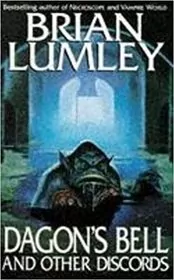
Dagon's Bell and Other Discords
by Brian Lumley
1988
A broad horror collection that moves from sea dread and whispering madness to odd, dark character pieces. It is a good way to sample Lumley outside the longer series.
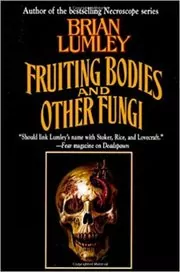
Fruiting Bodies
by Brian Lumley
1988
A collection of horror stories mixing body horror, weird encounters, and Mythos edges with some of Lumley's strongest shorter work. The title story is especially memorable and nasty.
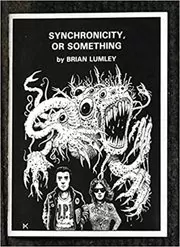
Synchronicity, Or Something
by Brian Lumley
1988
A compact Cthulhu Mythos tale built on coincidence, unease, and the sense that hidden forces are arranging events. Short, strange, and nicely unsettling.
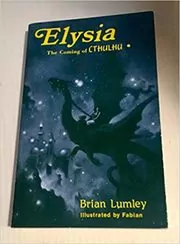
Elysia
by Brian Lumley
1989
Titus Crow and his allies move toward the endgame as Cthulhu stirs and worlds begin to collide. The finale is large, strange, and proudly heroic.
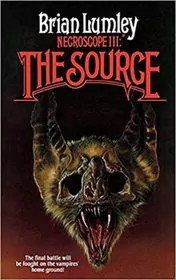
The Source
by Brian Lumley
1989
A Soviet base in the Urals uncovers a supernatural portal, and Harry realizes the vampires are preparing something much bigger. To stop them, he has to take the war into their own world.
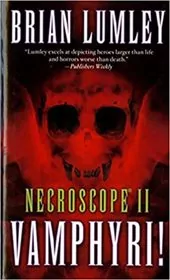
Vamphyri!
by Brian Lumley
1989
Harry Keogh survives death, but his war with the vampires only gets worse. In an English village, Yulian Bodescu is quietly building a monstrous army.
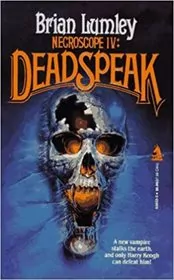
Deadspeak
by Brian Lumley
1990
Janos Ferenczy rises, Harry loses his easy bond with the dead, and humanity is left exposed. It is one of the grimmest Necroscope books, with a battered hero and a brutal enemy.
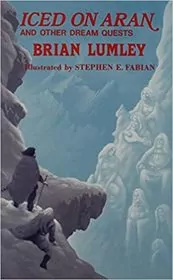
Iced on Aran and Other Dream Quests
by Brian Lumley
1990
Dreamlands adventures turn colder and stranger in this collection, with David Hero facing black sorcery, frozen peril, and uncanny dream logic. A good follow-on for readers who want more of that world.
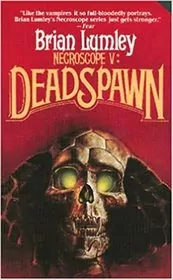
Deadspawn
by Brian Lumley
1991
While Harry hunts a human killer at the request of the dead, the vampire taint inside him becomes harder to resist. Personal horror and murder mystery twist together here.
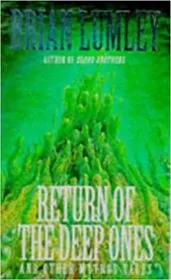
Return of the Deep Ones
by Brian Lumley
1991
This collection pairs *Beneath the Moors* with other Mythos tales tied to Titus Crow and sea-born dread. Buried secrets, ancient survivals, and Lovecraftian pressure run through the whole book.
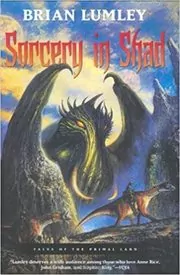
Sorcery in Shad
by Brian Lumley
1991
The Primal Land grows darker as Tarra Khash is pulled toward forces that could open the way for Cthulhu's spawn. Bigger magic and nastier consequences shape this one.
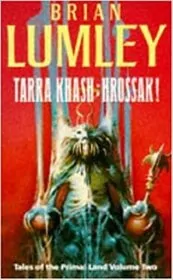
Tarra Khash
by Brian Lumley
1991
In the savage world of Theem'hdra, Tarra Khash moves through sorcery, monsters, and ancient rivalries with more nerve than caution. Dark fantasy adventure with a sharp Mythos edge.
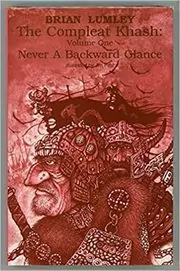
The Compleat Khash
by Brian Lumley
1991
A collected run of Tarra Khash stories set in Theem'hdra, full of deserts, monsters, sorcery, and hard survival. It works as a larger doorway into Lumley's Primal Land.
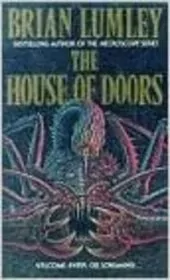
The House of Doors
by Brian Lumley
1991
The alien Thone trap a group of humans inside a maze built from fear, memory, and nightmare. To escape, they must survive rooms that seem designed to know them too well.
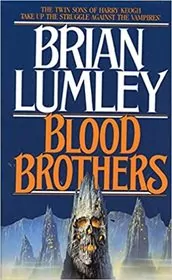
Blood Brothers
by Brian Lumley
1992
After Harry Keogh's death, his twin sons Nathan and Nestor are torn apart by a vampire raid on the Vampire World. One searches for family, the other for identity, while the Wamphyri close in.
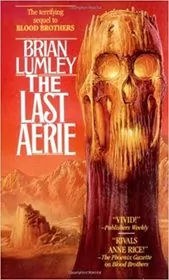
The Last Aerie
by Brian Lumley
1993
Nathan fights for the human side while his twin Nestor is drawn ever deeper into vampire power. Their shared blood and opposing choices give the trilogy its tension.
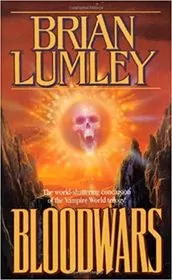
Bloodwars
by Brian Lumley
1994
Nathan and Nestor become open enemies as the war on the Vampire World reaches its peak. Family loyalty, psychic power, and the fate of two worlds all collide.
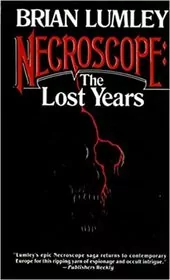
Necroscope
by Brian Lumley
1995
The first Harry Keogh novel introduces a man who talks to the dead, a Soviet necromancer, and Lumley's brutal reworking of vampire lore. It remains the cleanest entry point to the saga.
The Lost Years
by Brian Lumley
1995
Harry's missing years become their own nightmare as he searches for his vanished wife and child. It fills a major gap in the Necroscope saga without losing the danger or scale.
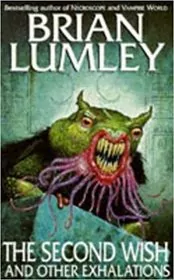
The Second Wish And Other Exhalations
by Brian Lumley
1995
A varied collection of horror and Mythos tales, from cursed objects and occult echoes to de Marigny's clock and other familiar motifs. Good for readers who like Lumley in shorter bursts.
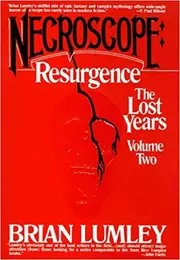
Resurgence: The Lost Years, Volume 2
by Brian Lumley
1996
Harry's search reaches a harsher, stranger phase as old vampire enemies and divided loyalties close in. This sequel turns the personal quest into a larger supernatural war.
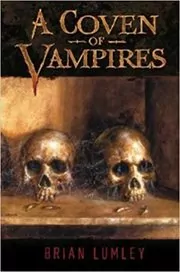
A Coven of Vampires
by Brian Lumley
1998
A thick collection of vampire and Mythos stories, often cruel, strange, and full of old hunger. It shows how widely Lumley could range within dark fantasy and horror.
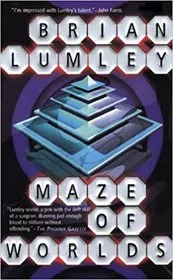
Maze of Worlds
by Brian Lumley
1998
The survivors of the House of Doors must enter the alien maze again when Earth comes under broader attack. Nightmare landscapes return, but now the whole planet is at stake.
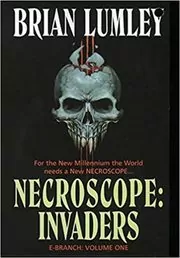
Invaders
by Brian Lumley
1999
With Harry gone, E-Branch faces three powerful Wamphyri on Earth and a possible new Necroscope named Jake Cutter. The baton passes, but the threat does not shrink.
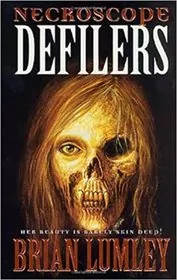
Defilers
by Brian Lumley
2000
Jake Cutter is learning how to use Necroscope powers while hiding a dead vampire inside his own mind. Personal vendettas and spreading vampirism make the job even messier.
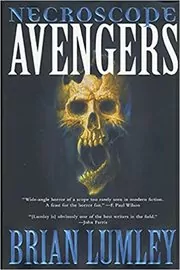
Avengers
by Brian Lumley
2001
E-Branch hunts the last great Wamphyri while Jake's struggle with Korath reaches a crisis point. It is an ensemble showdown full of spies, psychics, and monsters under pressure.
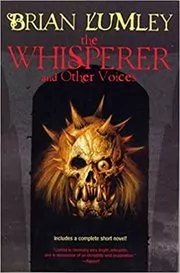
The Whisperer and Other Voices
by Brian Lumley
2001
A collection of substantial horror pieces, including the full short novel *The Return of the Deep Ones*. Classic Mythos material sits alongside stranger and more experimental tales.
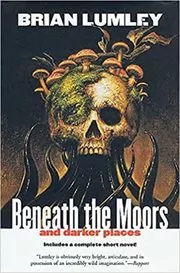
Beneath the Moors and Darker Places
by Brian Lumley
2002
A themed collection of darker Lumley stories built around buried dread, sea terror, and the full novella *Beneath the Moors*. Compact, creepy, and especially Mythos-friendly.
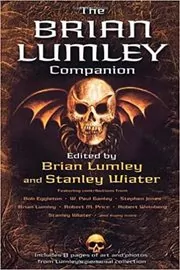
The Brian Lumley Companion
by Brian Lumley
2002
Part guide, part interview collection, and part critical overview, this companion maps Lumley's career and major series in detail. It is for dedicated readers more than complete newcomers.
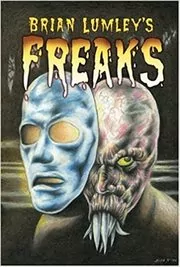
Brian Lumley's Freaks
by Brian Lumley
2004
Five strange tales about mutants, outcasts, and post-apocalyptic unease. Short, sharp, and tilted toward some of Lumley's grimmer inventions.
The House Of The Temple
by Brian Lumley
2004
A compact Mythos novella of occult danger, old secrets, and a place no one should trust. Small in size, but packed with Lumley's taste for forbidden spaces.
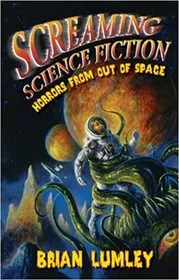
Screaming Science Fiction
by Brian Lumley
2006
Nine stories where Lumley leans into pulp science fiction without leaving horror far behind. Expect lost roads, hostile futures, strange tech, and endings that do not play nice.
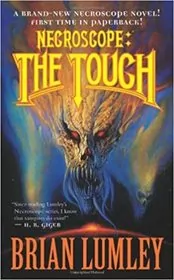
The Touch
by Brian Lumley
2006
Scott St. John inherits part of Harry Keogh's legacy just as the murderous Mordri Three set their sights on Earth. A later Necroscope novel with aliens, psychic warfare, and body horror.
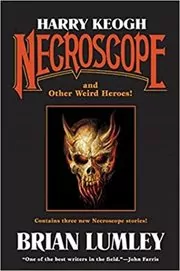
Necroscope and Other Weird Heroes!
by Brian Lumley
2007
A collection that brings together Harry Keogh, Titus Crow, and David Hero in one volume of long stories and novellas. It gives a brisk cross-section of Lumley's recurring worlds.

The Taint and Other Novellas
by Brian Lumley
2007
Seven longer Cthulhu Mythos pieces show Lumley stretching out within his Lovecraftian mode. It is a good bridge between his short fiction and his full-length Mythos novels.
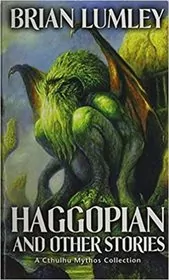
Haggopian and Other Stories
by Brian Lumley
2009
A large gathering of Lumley's shorter Cthulhu Mythos fiction, from early classics to later pieces like *Synchronicity or Something*. Best for readers who want the deep-cut Mythos material.
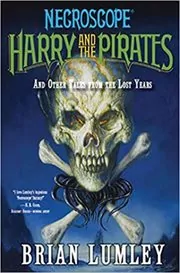
Harry and the Pirates
by Brian Lumley
2009
These Lost Years era Necroscope tales return Harry to smaller, stranger battles involving murder, buried evil, and a pirate's confession from beyond the grave. Extra Harry, with room to breathe.
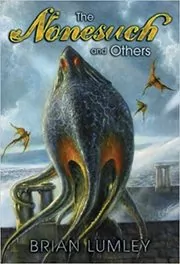
The Nonesuch and Others
by Brian Lumley
2009
Three linked tales follow an ordinary man who keeps stumbling into weird terror he can barely explain. Less heroic than Lumley's big series, and all the more uneasy for it.
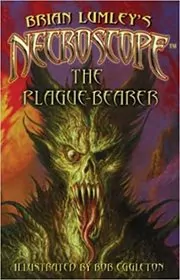
The Plague-Bearer
by Brian Lumley
2010
During Harry's Lost Years, vampires weaponize disease and turn one expendable thug into a moving catastrophe. Harry must protect the people he loves before the infection spreads.
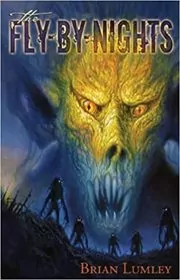
The Fly-By-Nights
by Brian Lumley
2011
Long after the world ended, survivors leave their underground refuge and cross a poisoned landscape hunted by vampiric creatures of the night. Part post-apocalyptic quest, part dark monster tale.
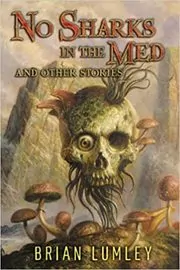
No Sharks in the Med and Other Stories
by Brian Lumley
2012
A late-career collection that gathers some of Lumley's best standalone horror pieces, from sea dread to odd obsession. A strong sampler if you want variety rather than one long arc.
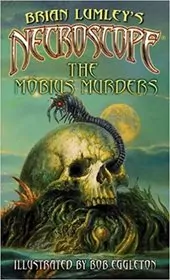
The Mobius Murders
by Brian Lumley
2013
Harry glimpses a victim flung helplessly through the Möbius Continuum and sets out to find the killer. It turns his favorite shortcut through space and time into a murder scene.
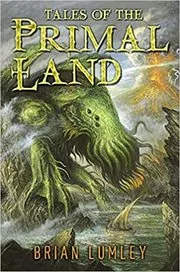
Tales of the Primal Land
by Brian Lumley
2015
A big return to Theem'hdra, collecting Primal Land material into one sweeping volume of sorcerers, warriors, monsters, and ancient histories. Ideal if that savage setting grabs you.
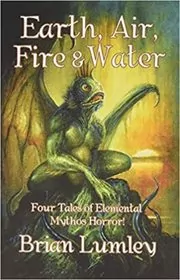
Earth, Air, Fire & Water
by Brian Lumley
2017
Four Cthulhu Mythos tales are grouped around the elemental forces in this themed collection. It spans decades of Lumley's Mythos work and includes a longer original piece.

The Last of the Lost Years, Vol. II
by Brian Lumley
2020
A late Necroscope collection gathering Harry Keogh stories from the Lost Years, including *The Möbius Murders* and *Resurrection*. Best for readers who already know the main saga and want the side roads.

Brian Lumley's The Best of the Rest
by Brian Lumley
2023
A handpicked collection of stories outside Lumley's biggest series, moving through horror, science fiction, and the plain weird. A flexible entry point for readers who want range.
Where to start with Brian Lumley
If you want the signature vampire saga: Necroscope → Vamphyri! → The Source
If you want Lovecraftian occult adventure: The Burrowers Beneath → The Transition of Titus Crow → The Clock of Dreams
If you want dreamlike fantasy: Hero of Dreams → Ship of Dreams → Mad Moon of Dreams
If you want science-fiction horror: The House of Doors → Maze of Worlds
If you want a standalone dark fantasy: Khai of Khem
Brian Lumley sub-series and character series
- Dreamlands books in order
- House Of Doors books in order
- Necroscope books in order
- Necroscope: E-Branch books in order
- Necroscope: The Lost Years books in order
- Necroscope: Vampire World books in order
- New Adventures Of The Necroscope books in order
- Psychomech books in order
- Tales of the Primal Land books in order
- Titus Crow books in order
Necroscope: E-Branch books in order
Explore this seriesNecroscope: The Lost Years books in order
Explore this seriesNecroscope: The Lost Years books in chronological order
Necroscope: Vampire World books in order
Explore this seriesNecroscope: Vampire World books in chronological order
New Adventures Of The Necroscope books in order
Explore this seriesNew Adventures Of The Necroscope books in chronological order
Tales of the Primal Land books in order
Explore this seriesTales of the Primal Land books in chronological order
Brian Lumley collections, short stories, and related book types
Titus Crow Collections
Dreamlands Collections
Necroscope Collections
Primal Land Collections
Short Story Collections
Short Stories/Novellas
Standalone Brian Lumley books
Author bio
Brian Lumley was born in Horden, County Durham, on December 2, 1937, and grew up on England's northeast coast. Long before he was known for vampires, dream worlds, and cosmic horrors, he was a kid who loved science fiction comics, old horror tales, and anything that suggested the world might be stranger than it looked.
Then Lovecraft happened.
In his early teens, Lumley read a Robert Bloch story that pointed him toward H. P. Lovecraft, and the obsession stuck. Later, while serving with the Corps of Royal Military Police in Germany, he went looking for every Lovecraft book he could find. That search led him to August Derleth at Arkham House. Lumley wrote asking about hard-to-find volumes, enclosed some of his own pages, and wound up getting the chance that started his fiction career.
He did not come to writing through the usual literary route. He came through the army.
Lumley spent 22 years in the Royal Military Police, writing whenever he could, then retired in 1980 to work full time at fiction. His early books, including The Burrowers Beneath and the Titus Crow stories, clearly grew out of his love for the Cthulhu Mythos, but they already showed something that felt very much his own. Where Lovecraft's characters often freeze, flee, or go mad, Lumley's tend to square up, get moving, and fight back.
That streak found its fullest shape in Necroscope in 1986. Harry Keogh, the man who can speak to the dead, gave Lumley a way to mix horror with espionage, mathematics, gore, and a very physical new take on vampirism. Readers who love the series usually love it for the same reasons: it moves fast, it thinks big, and it never acts embarrassed by its wild ideas. Books like Vamphyri! and The Source only push the scale further.
But Lumley was never just the Necroscope guy. Psychomech turns psychic power into a dangerous machine-driven experiment. The House of Doors traps ordinary people inside an alien maze built from their worst fears. Hero of Dreams and the Dreamlands books head in a more fantastical direction, while Khai of Khem brings dark magic and adventure into ancient Egypt. Across all of them, he liked big premises, strong momentum, and monsters that were allowed to be monstrous.
Certain themes come up again and again. Secret wars. Ancient survivals. Parallel worlds. The dead refusing to stay quiet. Very old evils meeting very practical people. Even when Lumley went cosmic, there was usually a human problem at the center, someone trying to hold together a life, a family, or simply their own mind while the impossible closed in.
His shorter fiction mattered too. The title story of Fruiting Bodies won a British Fantasy Award in 1989, and his story Necros was adapted for television as part of The Hunger. In 1998 he received the Grand Master Award at the World Horror Convention, and in 2010 the Horror Writers Association gave him its Lifetime Achievement Award.
In later life he lived in Torquay, Devon, with his wife Barbara Ann, known to readers as Silky, and stayed close to his audience through conventions and the KeoghCon gatherings. He died at home on January 2, 2024, but the books still feel very alive, weird, restless, and ready to pull in the next reader.
Edited by
Software engineer whose passion for tracking book recommendations from podcasts inspired the creation of MRB.
Lead investor at 3one4 Capital whose startup expertise and love for books helped shape MRB and its growth.
Comments
Did we miss something? Have feedback?
Help us improve this page by sharing your thoughts