
Titus Crow Books in Order
Part ofBrian Lumley Books in OrderThis page lists the Titus Crow books in order by Brian Lumley, with short summaries, series background, and a quick guide to the best place to start.
Last updated:
As an Amazon Associate, we earn from qualifying purchases (at no extra cost to you).
Titus Crow books in publication order
6 books
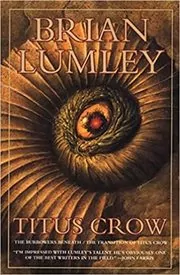
The Burrowers Beneath
by Brian Lumley
1974
Occult investigator Titus Crow and his friend de Marigny uncover a buried threat tied to the Cthulhu Mythos. What begins as inquiry quickly turns into a fight against monstrous forces beneath the earth.
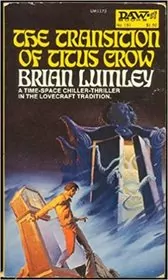
The Transition of Titus Crow
by Brian Lumley
1975
After disaster strikes, Titus Crow is hurled into stranger realms while de Marigny tries to piece together his fate. The series widens here, moving from occult mystery into cosmic adventure.
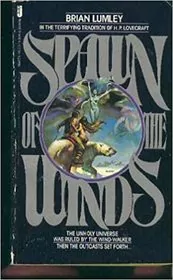
Spawn of the Winds
by Brian Lumley
1978
A search for the Lord of the Winds strands a group of psychics on a frozen alien world. Titus Crow territory gets bigger, colder, and more openly adventurous here.
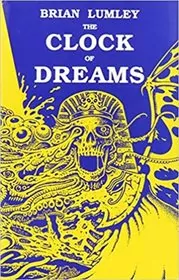
The Clock of Dreams
by Brian Lumley
1978
Henri-Laurent de Marigny uses his extraordinary clock to search for Titus Crow, even if it means stepping into Cthulhu's dreams. Dream logic and cosmic stakes drive this one fast.
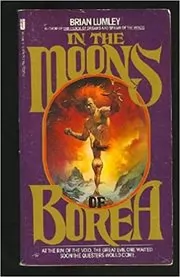
In the Moons of Borea
by Brian Lumley
1979
Crow and his allies push deeper into alien worlds as the struggle against the Elder Gods keeps growing. It mixes cosmic horror with the feel of a strange, pulpy planetary adventure.
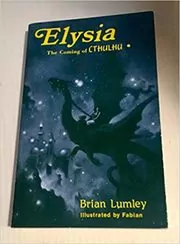
Elysia
by Brian Lumley
1989
Titus Crow and his allies move toward the endgame as Cthulhu stirs and worlds begin to collide. The finale is large, strange, and proudly heroic.
Titus Crow books in chronological order
Series background & context
The Titus Crow books are where Brian Lumley takes the Cthulhu Mythos and gives it a more active, adventurous shape. Titus Crow is an occult investigator, scholar, and psychic sleuth who refuses to stay in the background while ancient powers stir. Beside him stands his friend Henri-Laurent de Marigny, who is often the steadier voice in the room, even when the room happens to contain monsters, forbidden knowledge, or a doorway into somewhere no human should be able to reach.
The first book, The Burrowers Beneath, starts close to classic Mythos horror. There are hidden terrors under the earth, hints of Elder Gods, and the awful feeling that humanity is not nearly as important as it likes to think. But Lumley does something different with that material. Crow and de Marigny do not simply discover the horror and collapse under it. They investigate, argue, improvise, and push back.
That matters.
As the series goes on, especially in The Transition of Titus Crow and The Clock of Dreams, the scale gets much larger and much stranger. Crow is no longer dealing only with secret cults and buried monsters. He is flung across time, across worlds, and into realities that run on dream logic as much as science or magic. De Marigny, his remarkable clock, and a growing circle of allies become just as important as the monsters themselves.
By the time you reach Spawn of the Winds, In the Moons of Borea, and Elysia, the books feel less like quiet cosmic horror and more like full-blooded weird adventure. There are alien landscapes, impossible journeys, psychic forces, and open conflict with powers that would crush ordinary human beings without a thought. Lumley keeps the Lovecraft roots, but he adds pulp momentum, action, and a willingness to let heroism exist in a universe that does not naturally make room for it.
The tone is energetic, baroque, and often gloriously over the top. These books are not trying to be restrained. They are full of occult machinery, monstrous gods, lost knowledge, and the kind of cliff-edge plotting that keeps one strange idea tumbling into the next. If you like the Mythos best when it feels huge, dangerous, and just a little wild, Titus Crow is a very good place to settle in.
What really carries the series, though, is the friendship at its center. Crow may be the headline figure, but de Marigny gives the books their balance, their memory, and much of their emotional weight. Together they turn what could have been a grim surrender to cosmic doom into something more defiant. In Lumley's hands, the universe is still vast and terrible, but someone is at least willing to take a swing at it.


Edited by
Software engineer whose passion for tracking book recommendations from podcasts inspired the creation of MRB.
Lead investor at 3one4 Capital whose startup expertise and love for books helped shape MRB and its growth.
Comments
Did we miss something? Have feedback?
Help us improve this page by sharing your thoughts