
Tales of the Primal Land Books in Order
Part ofBrian Lumley Books in OrderThis page lists the Tales of the Primal Land books in order by Brian Lumley, with short summaries, series background, and where to start with Theem'hdra.
Last updated:
As an Amazon Associate, we earn from qualifying purchases (at no extra cost to you).
Tales of the Primal Land books in publication order
3 books
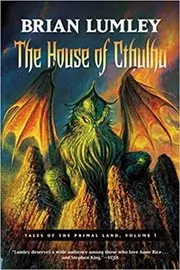
The House of Cthulhu
by Brian Lumley
1984
Linked tales from the Primal Land of Theem'hdra, where sorcerers, assassins, and thieves keep circling forbidden power. Sword-and-sorcery adventure meets Cthulhu Mythos dread.
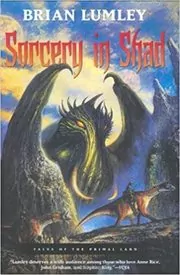
Sorcery in Shad
by Brian Lumley
1991
The Primal Land grows darker as Tarra Khash is pulled toward forces that could open the way for Cthulhu's spawn. Bigger magic and nastier consequences shape this one.
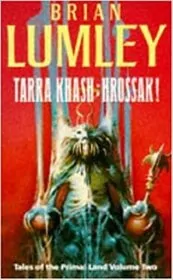
Tarra Khash
by Brian Lumley
1991
In the savage world of Theem'hdra, Tarra Khash moves through sorcery, monsters, and ancient rivalries with more nerve than caution. Dark fantasy adventure with a sharp Mythos edge.
Tales of the Primal Land books in chronological order
Series background & context
The Primal Land books are set in Theem'hdra, one of Brian Lumley's richest invented worlds. This is not modern horror with a few fantasy trappings added on. It is a full weird-fantasy landscape of deserts, ruined cities, assassins, monsters, and sorcerers who are every bit as dangerous as the gods they dare to call on. If Titus Crow shows Lumley turning Lovecraft outward into adventure, the Primal Land shows him pulling that cosmic horror backward into a savage deep past.
The world matters first here. Theem'hdra is presented as an ancient island continent with its own buried histories, rival peoples, old magics, and recurring cycles of greed, conquest, and catastrophe. In some books and stories, especially The House of Cthulhu, Lumley frames the material as if it were a recovered chronicle from a long-lost age. That device gives the series a nice old-text flavor without slowing down the action.
This is a setting-led series more than a single-hero series.
Certain figures do stand out, though. The wizard Mylarkhrion looms large, not because he is noble, but because he is powerful, ambitious, and reckless enough to reach for things no sensible person would touch. Tarra Khash brings a different energy, more direct, more mobile, and more in line with sword-and-sorcery adventure. Across the books you get thieves, killers, wanderers, and magicians, each trying to survive in a world where survival is never clean.
What links the stories is the way magic and Mythos dread keep crossing into each other. These are fantasy books, yes, but they are also Brian Lumley books, which means there are always hints that some powers are simply too old, too vast, or too hungry to fit inside ordinary fantasy rules. Temples are not safe. Buried houses are not empty. Gods are not metaphors. The Cthulhu connection is sometimes close and sometimes just under the surface, but it gives the series its distinctive pressure.
The tone is muscular and vivid. These books are full of duels, journeys, traps, bargains, and bad decisions made in the presence of very dangerous knowledge. Lumley likes movement, and even when he is building history or lore, he keeps the stories pushing forward. Readers who enjoy classic sword-and-sorcery but want something darker and more cosmic usually get a lot out of Theem'hdra.
If you are wondering what to expect, think less of one clean quest line and more of a brutal shared world where stories echo across ages. The House of Cthulhu, Tarra Khash, and Sorcery in Shad all show different sides of that world. The reward is not just plot, though there is plenty of that. It is the feeling of stepping into a place old enough to have grown its own nightmares.


Edited by
Software engineer whose passion for tracking book recommendations from podcasts inspired the creation of MRB.
Lead investor at 3one4 Capital whose startup expertise and love for books helped shape MRB and its growth.
Comments
Did we miss something? Have feedback?
Help us improve this page by sharing your thoughts