
Necroscope Books in Order
Part ofBrian Lumley Books in OrderThis page lists the Necroscope books in order by Brian Lumley, with short summaries, series background, and a clear guide to where new readers should begin.
Last updated:
As an Amazon Associate, we earn from qualifying purchases (at no extra cost to you).
Necroscope books in publication order
17 books
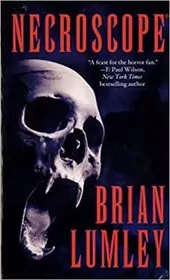
Necroscope
by Brian Lumley
1986
Harry Keogh can speak to the dead, a gift that puts him on a collision course with Soviet psychic espionage and ancient vampire evil. Cold War tension and body horror give the series a fierce start.
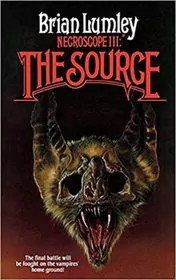
The Source
by Brian Lumley
1989
A Soviet base in the Urals uncovers a supernatural portal, and Harry realizes the vampires are preparing something much bigger. To stop them, he has to take the war into their own world.
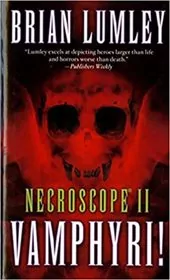
Vamphyri!
by Brian Lumley
1989
Harry Keogh survives death, but his war with the vampires only gets worse. In an English village, Yulian Bodescu is quietly building a monstrous army.
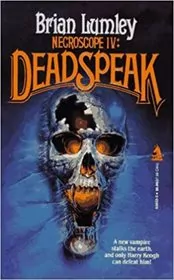
Deadspeak
by Brian Lumley
1990
Janos Ferenczy rises, Harry loses his easy bond with the dead, and humanity is left exposed. It is one of the grimmest Necroscope books, with a battered hero and a brutal enemy.
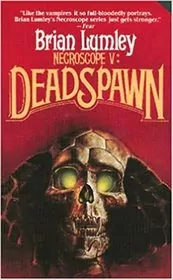
Deadspawn
by Brian Lumley
1991
While Harry hunts a human killer at the request of the dead, the vampire taint inside him becomes harder to resist. Personal horror and murder mystery twist together here.
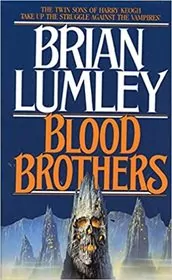
Blood Brothers
by Brian Lumley
1992
After Harry Keogh's death, his twin sons Nathan and Nestor are torn apart by a vampire raid on the Vampire World. One searches for family, the other for identity, while the Wamphyri close in.
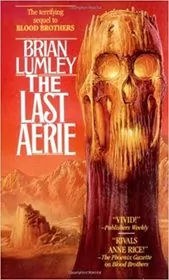
The Last Aerie
by Brian Lumley
1993
Nathan fights for the human side while his twin Nestor is drawn ever deeper into vampire power. Their shared blood and opposing choices give the trilogy its tension.
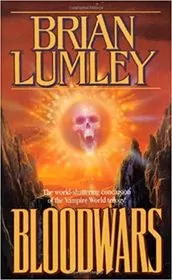
Bloodwars
by Brian Lumley
1994
Nathan and Nestor become open enemies as the war on the Vampire World reaches its peak. Family loyalty, psychic power, and the fate of two worlds all collide.
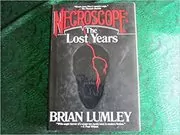
The Lost Years
by Brian Lumley
1995
Harry's missing years become their own nightmare as he searches for his vanished wife and child. It fills a major gap in the Necroscope saga without losing the danger or scale.
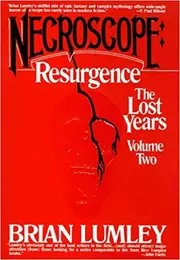
Resurgence: The Lost Years, Volume 2
by Brian Lumley
1996
Harry's search reaches a harsher, stranger phase as old vampire enemies and divided loyalties close in. This sequel turns the personal quest into a larger supernatural war.
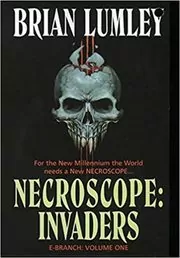
Invaders
by Brian Lumley
1999
With Harry gone, E-Branch faces three powerful Wamphyri on Earth and a possible new Necroscope named Jake Cutter. The baton passes, but the threat does not shrink.
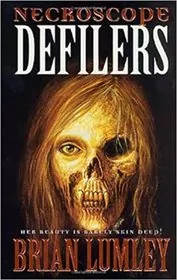
Defilers
by Brian Lumley
2000
Jake Cutter is learning how to use Necroscope powers while hiding a dead vampire inside his own mind. Personal vendettas and spreading vampirism make the job even messier.
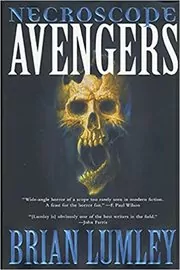
Avengers
by Brian Lumley
2001
E-Branch hunts the last great Wamphyri while Jake's struggle with Korath reaches a crisis point. It is an ensemble showdown full of spies, psychics, and monsters under pressure.
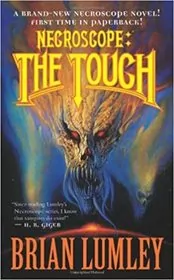
The Touch
by Brian Lumley
2006
Scott St. John inherits part of Harry Keogh's legacy just as the murderous Mordri Three set their sights on Earth. A later Necroscope novel with aliens, psychic warfare, and body horror.
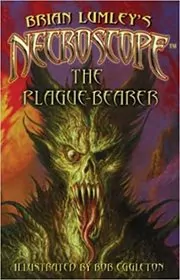
The Plague-Bearer
by Brian Lumley
2010
During Harry's Lost Years, vampires weaponize disease and turn one expendable thug into a moving catastrophe. Harry must protect the people he loves before the infection spreads.
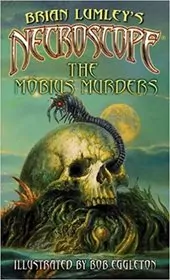
The Mobius Murders
by Brian Lumley
2013
Harry glimpses a victim flung helplessly through the Möbius Continuum and sets out to find the killer. It turns his favorite shortcut through space and time into a murder scene.

The Last of the Lost Years, Vol. II
by Brian Lumley
2020
A late Necroscope collection gathering Harry Keogh stories from the Lost Years, including *The Möbius Murders* and *Resurrection*. Best for readers who already know the main saga and want the side roads.
Necroscope books in chronological order
Series background & context
Necroscope is the series most readers think of first with Brian Lumley, and it is easy to see why. The core idea alone is strong enough to hook almost anyone: Harry Keogh can speak to the dead. But Lumley does far more with that premise than a simple ghost story. The books turn Harry's gift into a bridge between horror, espionage, mathematics, and one of the nastiest vampire mythologies in modern genre fiction.
Harry starts as a man with an unusual relationship to the dead, especially the buried minds who still talk from their graves. That could have made for a quieter sort of supernatural fiction. Instead, Lumley throws him into a hidden war involving Soviet and British psychic agencies, ancient bloodlines, and the Wamphyri, vampires that are not elegant aristocrats but predatory, metamorphic horrors. The series begins with Necroscope, then expands hard in Vamphyri!, The Source, Deadspeak, and Deadspawn.
It gets very big, very fast.
One reason the series works so well is that it keeps changing shape without losing its center. Early on, there is a strong Cold War feel, with secret operations, mind spies, and brutal clashes between rival powers. Then the books open outward into parallel worlds, the Möbius Continuum, and vampire empires with their own terrible history. Lumley never stops caring about the human stakes, though. Harry's powers are useful, but they cost him. The series keeps asking what happens when the dead know you, need you, and cannot quite let you go.
The setting also helps the books stand apart. Romania, England, Soviet installations, hidden castles, graveyards, and then stranger worlds beyond normal space all give the series a constant sense of movement. Lumley is not interested in keeping the horror in one dark house. He wants it spreading through institutions, borders, families, and whole civilizations. That makes the books feel expansive without losing their nastier, more intimate moments.
Tone matters here too. Necroscope is not shy. It is gory, energetic, idea-heavy, and willing to swing from psychic theory to body horror in a heartbeat. Readers who love it usually love that excess. Lumley writes as if all the strange parts belong on the page, which gives the series a confidence many vampire sagas never manage.
Under all the blood and scale, though, the emotional core is simple. Harry is a decent man trying to use a frightening gift well in a world that keeps giving him bigger and uglier enemies. He listens to the dead, fights for the living, and pays for both. That mix of decency, grief, invention, and outright monstrosity is what makes the series stick, and why so many readers still point to Necroscope as Lumley's defining work.

Edited by
Software engineer whose passion for tracking book recommendations from podcasts inspired the creation of MRB.
Lead investor at 3one4 Capital whose startup expertise and love for books helped shape MRB and its growth.
Comments
Did we miss something? Have feedback?
Help us improve this page by sharing your thoughts