
Necroscope: Vampire World Books in Order
Part ofBrian Lumley Books in OrderThis page lists the Necroscope: Vampire World books in order by Brian Lumley, with short summaries, series background, and help on where this trilogy fits.
Last updated:
As an Amazon Associate, we earn from qualifying purchases (at no extra cost to you).
Necroscope: Vampire World books in publication order
3 books
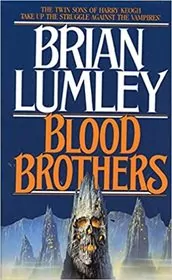
Blood Brothers
by Brian Lumley
1992
After Harry Keogh's death, his twin sons Nathan and Nestor are torn apart by a vampire raid on the Vampire World. One searches for family, the other for identity, while the Wamphyri close in.
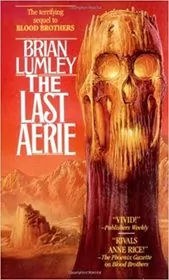
The Last Aerie
by Brian Lumley
1993
Nathan fights for the human side while his twin Nestor is drawn ever deeper into vampire power. Their shared blood and opposing choices give the trilogy its tension.
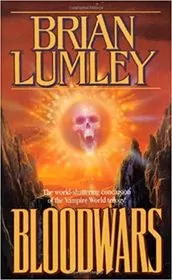
Bloodwars
by Brian Lumley
1994
Nathan and Nestor become open enemies as the war on the Vampire World reaches its peak. Family loyalty, psychic power, and the fate of two worlds all collide.
Necroscope: Vampire World books in chronological order
Series background & context
The Vampire World trilogy takes the wider Necroscope mythos and shifts the focus to Harry Keogh's twin sons, Nathan and Nestor. That one change gives the books a different emotional center. Harry's story is still behind everything, but now the action belongs to a younger generation growing up inside the consequences of his war. The setting is the harsh parallel world where the Wamphyri once ruled openly, and that matters because it turns the trilogy into something closer to dark fantasy war than covert horror thriller.
Nathan and Nestor begin as brothers bound by blood, family history, and psychic inheritance. Then that bond starts to split. One brother fights to defend the human side, the Travelers and the remnants of ordinary life. The other is drawn toward the power, appetite, and terrible glamour of the vampire lords. Lumley gets a lot of mileage out of that divide. The trilogy works not just because the monsters are dangerous, but because the central relationship is under strain from the start.
And that strain keeps deepening.
Blood Brothers lays out the break. A raid tears the brothers apart and sends them on very different paths. The Last Aerie develops their conflict while bringing E-Branch and older Necroscope connections into play. Bloodwars pushes everything toward open confrontation. What could have been a simple good-brother, bad-brother setup becomes more interesting because Lumley keeps the emotional bond alive even while the political and supernatural stakes get bigger.
The setting does a lot of work for the series. This is not just Earth with stronger vampires. The Vampire World has its own history, its own systems of rule, and its own brutal geography. Towers, wastelands, hidden communities, predatory hierarchies, and the divided realities of Sunside and Starside make the books feel bigger and rougher than many vampire series. The Wamphyri are not blending into society. They are ruling, feeding, mutating, and warring in the open.
The tone is more sprawling than the earliest Necroscope books, but still very readable and fast. There is action, pursuit, betrayal, siege, and psychic conflict, all tied to the question of what inheritance really means. Nathan and Nestor have their father's gifts in different ways, but they do not use them the same way, and that gap becomes the series' driving force.
If the main Necroscope books gave you the thrill of Harry facing impossible odds, Vampire World gives you the messier aftermath, a world still poisoned by vampirism and a family trying to survive it. It is darker, more openly epic, and often more tragic in feel. At the center, though, it remains very human: two brothers, one bloodline, and a war that will not let either of them stay unchanged.


Edited by
Software engineer whose passion for tracking book recommendations from podcasts inspired the creation of MRB.
Lead investor at 3one4 Capital whose startup expertise and love for books helped shape MRB and its growth.
Comments
Did we miss something? Have feedback?
Help us improve this page by sharing your thoughts