
Andrew Roberts Books in Order
This page gathers Andrew Roberts books edited by Antonia Fraser, with reading order notes, short summaries, series background, and where to start.
Last updated:
As an Amazon Associate, we earn from qualifying purchases (at no extra cost to you).
Andrew Roberts books in publication order
31 books
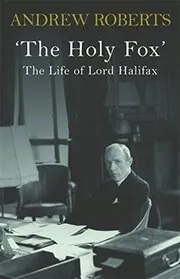
'The Holy Fox'
by Andrew Roberts
1991
Roberts's first book is a life of Lord Halifax, the foreign secretary so often reduced to the label of appeaser. He follows Halifax from India to the crisis of 1940, and argues for a more complicated reading of his choices.
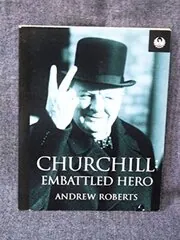
Churchill
by Andrew Roberts
1995
A short, sharp reassessment of Winston Churchill and the political world around him. Roberts pushes past simple hero worship to look at Churchill's critics, alliances, and the arguments that shaped his reputation.
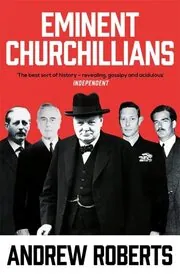
Eminent Churchillians
by Andrew Roberts
1995
This revisionist collection re-examines famous figures and institutions around Churchill's Britain, from the royal family to Mountbatten and the Conservative Party. Roberts is interested in the myths people built after the war, and what the documents complicate.
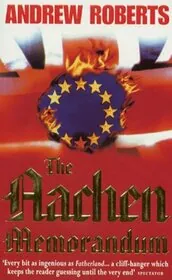
The Aachen Memorandum
by Andrew Roberts
1995
Set in 2045, this political thriller begins when Horatio finds a dead admiral and steps into a web of suspicion. Roberts mixes murder mystery, future politics, and satire in his lone novel.
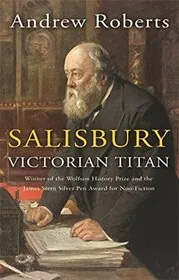
Salisbury
by Andrew Roberts
2000
This biography follows the 3rd Marquess of Salisbury through Victorian politics, empire, and foreign policy. Roberts presents him as a shrewd, often underestimated prime minister whose private doubts sat beside immense public power.
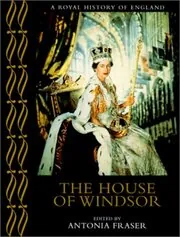
The House of Windsor
by Andrew Roberts
2000
A compact royal history of the Windsor dynasty, tracing the family from George V’s wartime name change through abdication, war, Elizabeth II’s reign, media pressure, and Diana’s death.
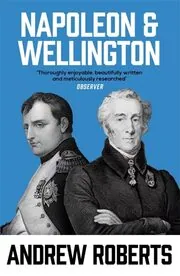
Napoleon and Wellington
by Andrew Roberts
2001
Roberts studies the strange rivalry between Napoleon and Wellington, two commanders who judged, mocked, admired, and haunted each other for decades. The book blends battlefield history with personality, vanity, propaganda, and the long afterlife of Waterloo.
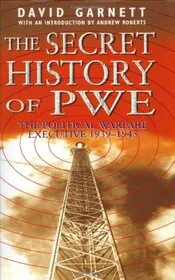
The Secret History of PWE
by Andrew Roberts
2002
With an introduction and notes by Andrew Roberts, this book uncovers the Political Warfare Executive, Britain's secret propaganda arm in the war against Nazi Germany. It follows black propaganda, psychological warfare, and the internal rivalries behind the operation.
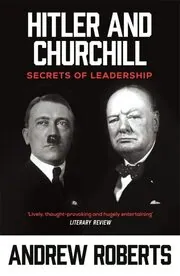
Hitler and Churchill. Secrets of Leadership
by Andrew Roberts
2003
By setting Hitler and Churchill side by side, Roberts examines how leadership can inspire, manipulate, or destroy. It is both a comparison of two wartime figures and a broader argument about how power works.
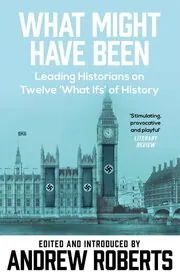
What Might Have Been
by Andrew Roberts
2004
Edited by Roberts, this collection of counterfactual essays asks how history might have changed if a few key moments had gone differently. Different historians tackle scenarios from the Armada to Pearl Harbor and beyond.
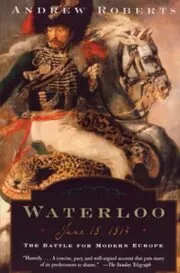
Waterloo
by Andrew Roberts
2005
Roberts retells the battle of Waterloo as a tense, confusing two-day struggle shaped by missed chances, weather, timing, and human error. It is both a brisk battle narrative and a study of why Napoleon's career ended there.
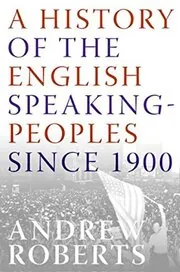
A History of the English-Speaking Peoples Since 1900
by Andrew Roberts
2006
Starting where Churchill's own history stops, Roberts follows Britain, the United States, and other English-speaking countries through the twentieth century. He argues that shared political habits and institutions mattered as much as military power.
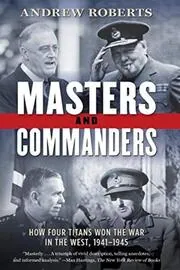
Masters and Commanders
by Andrew Roberts
2008
This book looks at Churchill, Roosevelt, Alan Brooke, and George Marshall, and the arguments that shaped Allied strategy in the West. Roberts turns planning meetings and personality clashes into a clear story about how the war was actually directed.
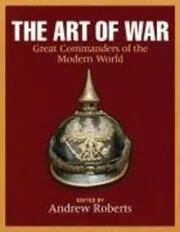
The Art Of War
by Andrew Roberts
2008
Edited by Roberts, this volume surveys major military commanders of the modern world, pairing short biographies with focused battle studies. It is a visual, accessible guide to how strategy, leadership, and battlefield judgment changed after 1600.
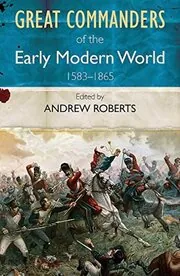
The Great Commanders of the Early Modern World 1567-1865
by Andrew Roberts
2011
Edited by Roberts, this illustrated collection profiles major commanders from the early modern age, asking what made them effective and where they failed. Short expert essays and battle analysis make it easy to browse or read straight through.
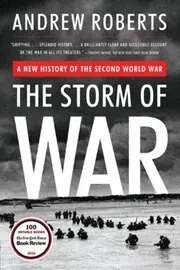
The Storm of War
by Andrew Roberts
2011
Roberts tells the Second World War on a global scale while asking a blunt question, why did the Axis lose? He moves from grand strategy to battlefield detail and tests whether different decisions might have changed the war's outcome.

Love, Tommy
by Andrew Roberts
2012
Drawn from Imperial War Museum archives, this collection brings together especially moving letters from British and Commonwealth troops to the people waiting at home. Love, fear, boredom, wit, and grief all sit close together.

Letters from the Front
by Andrew Roberts
2014
This anthology gathers letters sent home from the front line, letting soldiers, sailors, and airmen speak in their own voices. The result is intimate war history, full of longing, worry, humor, and quiet courage.
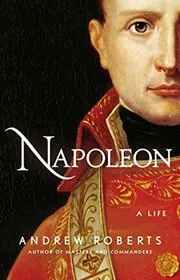
Napoleon
by Andrew Roberts
2014
Roberts's one-volume life of Napoleon uses the vast publication of his letters and visits to battlefields across Europe. It follows the conqueror as soldier, ruler, propagandist, and exile, and tries to understand both his brilliance and his appetite for control.

The Modern Swastika
by Andrew Roberts
2014
In this short polemic, Roberts argues that anti-Semitism has not disappeared, it has changed shape. He links older prejudices to newer political language around Jews and Israel, and urges readers to take the threat seriously.
Elegy
by Andrew Roberts
2015
A short history of 1 July 1916, when the Somme offensive began and the British Army suffered catastrophic losses. Roberts combines the scale of the disaster with stories of fear, endurance, and remarkable courage.
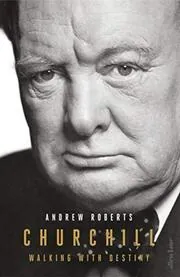
Churchill
by Andrew Roberts
2018
Drawing on newly available sources, Roberts follows Winston Churchill from youth to old age, with special attention to the Second World War. The book keeps his flaws in view while explaining the energy, judgment, and stubbornness that made him such a force.
Recommended by
1 person Keith Rabois recommended this book
Keith Rabois
Keith Rabois mentioned this book on Twitter.
Keith Rabois's recommendation of this book

The Double Act
by Andrew Roberts
2018
A lively history of British comedy duos, from music hall pairings to radio, television, and later sketch acts. Roberts looks at how the comic and straight man work together, and why the form lasted.
Leadership in War
by Andrew Roberts
2019
Roberts studies nine wartime leaders, from Napoleon and Nelson to Churchill, Stalin, Eisenhower, and Thatcher. He compares how they made decisions under pressure, and what separated useful authority from disastrous command.

Holy Habits: Worship
by Andrew Roberts
2020
This short devotional guide helps churches and individuals think about worship as a regular way of life, not just a service on Sunday. It offers Bible readings, reflections, prayers, and practical prompts for group use.
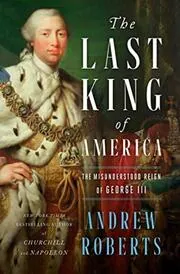
The Last King of America
by Andrew Roberts
2021
Roberts reconsiders George III, arguing that the king Americans love to hate was more capable and humane than legend allows. Using new correspondence, he follows George through revolution, illness, family life, and the loss of the colonies.

Privacy in the Republic
by Andrew Roberts
2022
This book rethinks privacy through republican political theory. Roberts argues that privacy matters because it protects people from domination, and that real protection depends on democratic control over the powers that threaten it.

George III
by Andrew Roberts
2023
Roberts revisits George III with sympathy and a mountain of correspondence, challenging the familiar picture of a foolish tyrant. The book follows the king through domestic duty, mental illness, and the upheavals of the American age.

The Chief
by Andrew Roberts
2023
Roberts tells the life of press baron Lord Northcliffe, the man who built the Daily Mail, the Daily Mirror, and a huge share of Fleet Street. It is a story of media power, innovation, ambition, and political influence.

Conflict
by Andrew Roberts
2024
Co-written with David Petraeus, this wide-ranging study tracks how warfare changed after 1945 and what modern commanders still get wrong. It moves through Cold War flashpoints, insurgencies, and recent wars, including Ukraine and the Middle East.

Napoleon and His Marshals
by Andrew Roberts
2026
Roberts turns from Napoleon alone to the generals he promoted to marshal, men whose talent, vanity, bravery, and rivalry helped build the empire. It is as much about leadership and loyalty as it is about battle.
Where to start with Andrew Roberts
If you want the big biographies first: Napoleon → Churchill → The Last King of America
If you want World War II history first: Masters and Commanders → The Storm of War → Leadership in War
If you prefer shorter military history: Waterloo → Napoleon and Wellington → Hitler and Churchill. Secrets of Leadership
If you want politics and power behind the scenes: Salisbury → The Chief → Eminent Churchillians
Andrew Roberts sub-series and character series
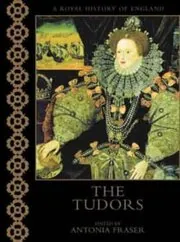
A Royal History of England (Andrew Roberts) books in order
Explore this seriesA Royal History of England (Andrew Roberts) books in chronological order
Andrew Roberts collections, short stories, and related book types
Non-Fiction
Standalone Andrew Roberts books
Author bio
Andrew Roberts was born in Hammersmith, London, in 1963, and later went to school at Cranleigh in Surrey. He read modern history at Gonville & Caius College, Cambridge, where he took a first-class degree and later completed a PhD. From early on, he was drawn to moments when personality and power crash together, kings under pressure, ministers at war, generals making irreversible decisions.
That interest almost sent him one way, and then another.
After university he spent a few years in corporate finance, working at Robert Fleming. Then he left that world and turned to history writing, publishing The Holy Fox in 1991, a life of Lord Halifax. It was an early sign of what he likes to do best: take a figure who has been flattened into a stereotype and put the complications back.
He kept returning to political power at moments of strain. Salisbury: Victorian Titan looks at the long reach of late Victorian politics and empire through the 3rd Marquess of Salisbury, while Eminent Churchillians and the shorter Churchill books show Roberts at his most argumentative, testing the stories Britain tells itself about war, leadership, and national character.
He likes history with people in it.
That helps explain why many readers start with Napoleon, Churchill, or The Last King of America. These are large biographies, but they move quickly because Roberts is drawn to letters, rivalries, cabinet fights, and the pressure of events. He likes to ask what a statesman knew at the time, what choices were really open, and what happened when pride, luck, or exhaustion entered the room.
War is another constant in his work. In Masters and Commanders he follows Churchill, Roosevelt, Alan Brooke, and George Marshall as Allied strategy took shape. In The Storm of War he pulls back for a global history of the Second World War, while Leadership in War distills years of reading into portraits of leaders from Napoleon and Nelson to Eisenhower and Thatcher.
Roberts also enjoys books that zoom in. Waterloo and Napoleon and Wellington are tighter studies, concerned with battle, timing, ego, and myth. Even when the canvas is smaller, the pattern is familiar: he wants to show how large events often turn on very human qualities, vanity, stamina, charm, stubbornness, fear.
His books have reached a wide audience. Salisbury: Victorian Titan won the Wolfson History Prize, and Napoleon won the Los Angeles Times Biography Prize. Alongside the books, he has written for newspapers, reviewed history and biography, and appeared often on radio and television, especially on British political and royal history.
These days Roberts is based in London. He continues to write, lecture, and speak about history in public life, and in 2022 he was made Baron Roberts of Belgravia. Whether he is writing about Churchill, George III, Northcliffe, or Napoleon's marshals, the appeal is much the same: big people, big choices, and the mess that follows.








Edited by
Software engineer whose passion for tracking book recommendations from podcasts inspired the creation of MRB.
Lead investor at 3one4 Capital whose startup expertise and love for books helped shape MRB and its growth.
Comments
Did we miss something? Have feedback?
Help us improve this page by sharing your thoughts