
A Royal History of England (Andrew Roberts) Books in Order
Part ofAndrew Roberts Books in OrderThis page shows Andrew Roberts's A Royal History of England books in order, with short summaries, series context, and where to start.
Last updated:
As an Amazon Associate, we earn from qualifying purchases (at no extra cost to you).
A Royal History of England (Andrew Roberts) books in publication order
1 book
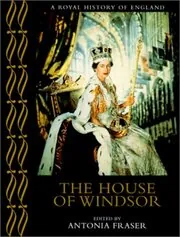
The House of Windsor
by Andrew Roberts
2000
A compact royal history of the Windsor dynasty, tracing the family from George V’s wartime name change through abdication, war, Elizabeth II’s reign, media pressure, and Diana’s death.
A Royal History of England (Andrew Roberts) books in chronological order
Series background & context
This corner of A Royal History of England is Andrew Roberts's take on the modern monarchy. In practice, that means The House of Windsor, a compact royal history that treats the twentieth-century crown as both a family story and a public institution under constant pressure. It is a shorter book than Roberts's later full-scale biographies, but the interests are already there: personality, crisis, duty, reputation, and the way history can turn on a few private decisions.
The setting matters a lot here. The House of Windsor begins in 1917, when the royal family changed its name during the First World War, and it moves through a century that changed the monarchy almost beyond recognition. War, radio, film, television, tabloid culture, and mass democracy all reshape what the crown can be. Roberts is not just listing reigns. He is showing a dynasty learning, sometimes awkwardly, how to survive in the modern age.
It is royal history with the cameras switched on.
The main figures are familiar, but the tension comes from how differently each of them handles the job. George V anchors the new house in wartime. Edward VIII turns private desire into constitutional crisis. George VI helps rebuild trust through war and restraint. Elizabeth II inherits a monarchy that has to look steady even as the world around it changes at speed. Around them are consorts, heirs, ministers, courtiers, and a press that becomes harder and harder to keep at arm's length.
That gives the book its through-line. The question is not simply who sits on the throne next. The deeper question is how a hereditary institution keeps its authority when old deference weakens and every family difficulty becomes public theater. Abdication, wartime service, ceremonial continuity, broken marriages, and the death of Diana all matter because they test the same thing: whether the monarchy can still command loyalty while living in full view.
The tone is brisk, readable, and focused on the people inside the institution. Roberts likes clear narrative, and this book works best if you want a fast route into the modern royal story without giving up the politics behind it. If your interest in royal history begins with the twentieth century rather than the Tudors or Stuarts, this is a natural place to start.
So although this page sits inside a larger dynasty series, Andrew Roberts's contribution has its own shape. It is the story of a royal house trying to stay useful, stable, and believable while the country around it changes almost beyond recognition.











Edited by
Software engineer whose passion for tracking book recommendations from podcasts inspired the creation of MRB.
Lead investor at 3one4 Capital whose startup expertise and love for books helped shape MRB and its growth.
Comments
Did we miss something? Have feedback?
Help us improve this page by sharing your thoughts