
Mary Roberts Rinehart Books in Order
See all Mary Roberts Rinehart books in order, with story summaries, series overviews, character guides, and where to start with her classic mysteries.
Last updated:
As an Amazon Associate, we earn from qualifying purchases (at no extra cost to you).
Mary Roberts Rinehart books in publication order
62 books
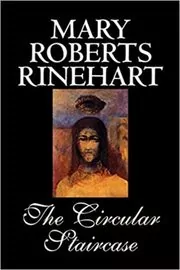
The Circular Staircase
by Mary Roberts Rinehart
1908
Spinster Rachel Innes rents a country house for the summer with her niece and nephew, only to face midnight intruders, a bank scandal, and a corpse at the foot of the stairs as she stubbornly investigates to protect her family.
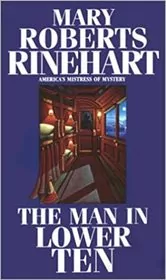
The Man in Lower Ten
by Mary Roberts Rinehart
1909
Attorney Lawrence Blakeley boards an overnight train carrying crucial evidence in a forgery case, only to wake after a wreck accused of murdering the man who slept in his berth. With a missing briefcase and a mysterious girl, he must clear his name.
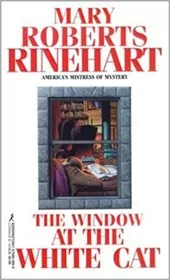
The Window at the White Cat
by Mary Roberts Rinehart
1910
A young lawyer agrees to help when his client’s politician father vanishes after frequenting the notorious White Cat club. The search entangles him with machine politics, blackmail, and murder in a case where no one inside the club is quite what they seem.

When A Man Marries
by Mary Roberts Rinehart
1910
Kit McNair agrees to pose as her divorced friend’s wife for one harmless dinner, then a smallpox quarantine traps the whole house party together. Misunderstandings, secret romances, and a missing uncle turn the farce into a very tangled comedy of errors.
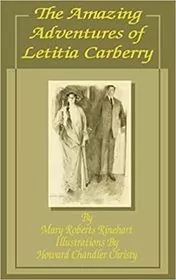
The Amazing Adventures of Letitia Carberry
by Mary Roberts Rinehart
1911
Letitia "Tish" Carberry goes into a hospital for a rest cure and promptly stumbles into vanishing corpses, midnight apparitions, and runaway car chases. Told by her anxious friend Lizzie, these linked adventures mix mock ghost-story scares with brisk, very human comedy.
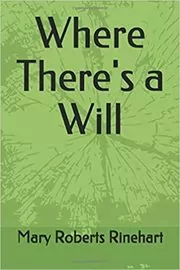
Where There's a Will
by Mary Roberts Rinehart
1912
In this country-house story, a gathering meant to settle an inheritance instead exposes simmering resentments, romantic tangles, and a suspicious death. As secrets emerge, one clear-headed observer must decide who is telling the truth about the will and who profits from lies.
The Case of Jennie Brice
by Mary Roberts Rinehart
1913
During a Pittsburgh flood, boardinghouse keeper Mrs. Pittman finds bloody ropes and a towel in a tenant’s room and believes vaudeville actress Jennie Brice has been murdered. With no body and skeptical police, she investigates herself, uncovering ugly truths about a bad marriage.
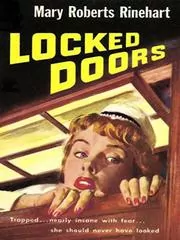
Locked Doors
by Mary Roberts Rinehart
1914
Hired to care for two small children in an uneasy household, nurse Anne Adams finds locked rooms, a vanished governess, and terrified servants. As rumors of plague and rats swirl, she realizes someone will do anything to keep certain doors closed and certain secrets buried.
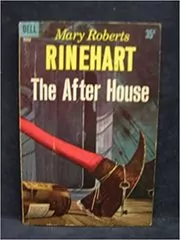
The After House
by Mary Roberts Rinehart
1914
Recovering from illness, young doctor Leslie goes to sea as ship’s physician on a luxurious yacht. A pleasure cruise turns into nightmare when passengers are hacked to death one stormy night, and Leslie must survive long enough to learn who is wielding the ax.

The Buckled Bag
by Mary Roberts Rinehart
1914
Young nurse Hilda Adams is given charge of a delirious patient whose mysterious buckled bag never leaves his side. When he dies suddenly and the bag vanishes, Hilda’s curiosity draws her into a dangerous hunt for what was hidden inside and why it was worth killing for.

The Street of Seven Stars
by Mary Roberts Rinehart
1914
Violinist Harmony Wells is studying in Vienna when her money runs out. Sharing cramped lodgings with an idealistic doctor, a world-weary older physician, and an orphaned boy, she must choose between love, duty, and her art as war and hardship edge ever closer.

K
by Mary Roberts Rinehart
1915
In a crowded Pittsburgh boardinghouse, straightforward nurse Sidney Page takes in a quiet lodger known only as K. The mysterious stranger’s past, and his hidden skill as a surgeon, slowly come to light as scandal, crime, and romance swirl around the house.
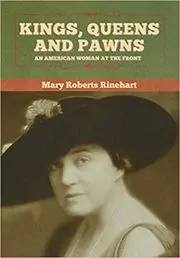
Kings, Queens and Pawns
by Mary Roberts Rinehart
1915
This nonfiction account follows Rinehart to the World War I front as a reporter, visiting trenches and field hospitals and interviewing rulers and soldiers. Her vivid sketches capture the shock of modern war and plead for Americans to grasp its human cost.
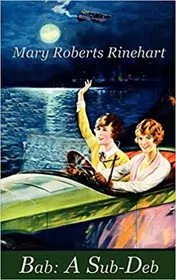
Bab
by Mary Roberts Rinehart
1916
Teenager Bab Archibald, a self-styled "sub-deb," lurches from crushes to catastrophes as she tries to act sophisticated before her first real season. Written in Bab’s breathless diary voice, the story pokes fun at flapper-era manners, romance, and family drama.
Through Glacier Park
by Mary Roberts Rinehart
1916
Rinehart’s lively travelogue recounts a 300-mile horseback trip through the brand-new Glacier National Park with guide Howard Eaton. She describes high passes, camp life, wildlife, and fellow tourists with a reporter’s eye and a humorist’s timing.

Tish
by Mary Roberts Rinehart
1916
This first Tish collection follows middle-aged Letitia Carberry and her friends Aggie and Lizzie through motorcar chases, camping mishaps, amateur spying, and wartime schemes. The stories blend slapstick adventure with a warm look at female friendship and late-blooming independence.

Long Live the King
by Mary Roberts Rinehart
1917
In a small European kingdom, young Crown Prince Ferdinand William Otto slips away from court one night and tastes ordinary life. His brief adventure becomes entangled with plots, love affairs, and looming war, forcing the boy to grow into the ruler his country needs.
The Altar of Freedom
by Mary Roberts Rinehart
1917
This brief, patriotic nonfiction piece addresses American mothers as the United States moves toward entering World War I, reflecting on sacrifice, love of country, and what it means to give sons to military service.
Tenting Tonight
by Mary Roberts Rinehart
1918
In this sequel to Through Glacier Park, Rinehart chronicles a long pack-train trip through the Rockies and Cascades with her family. Camp mishaps, spectacular scenery, and encounters with Western characters make the journey as entertaining as any of her fiction.
The Amazing Interlude
by Mary Roberts Rinehart
1918
Small-town Sara Lee Kennedy leaves her Pennsylvania home to run a canteen near the Belgian front during World War I. Torn between her fiancé’s demands and the soldiers who depend on her, she discovers a deeper courage and a quieter, more complicated kind of love.
Twenty-Three and a Half Hours' Leave
by Mary Roberts Rinehart
1918
Sergeant Gray wins a brief leave from camp and a bet that he can have breakfast with a general. A chance meeting with a girl, a fistfight, and Army red tape nearly wreck his day off in this light, affectionate wartime comedy.
Dangerous Days
by Mary Roberts Rinehart
1919
Set in an American steel town on the eve of World War I, this novel follows engineer Clayton Spencer and his socialite wife Natalie as war and industrial unrest expose the cracks in their marriage, their friendships, and their comfortable view of class and duty.

Love Stories
by Mary Roberts Rinehart
1919
This collection gathers novellas about nurses, patients, and ordinary people whose lives are jolted by love. Rinehart balances hospital detail and social observation with hopeful endings that show romance tangled with work, war, and family responsibility.
A Poor Wise Man
by Mary Roberts Rinehart
1920
In a smoky industrial city, wealthy Natalie Spencer and thoughtful reformer Clayton Spencer are caught up in labor unrest, radical politics, and romantic turmoil. The story mixes love story and social novel as a strike threatens to destroy both family and town.
Affinities and Other Stories
by Mary Roberts Rinehart
1920
Five witty stories about well-to-do Americans and Englishwomen whose flirtations, borrowed houses, and social schemes go amusingly wrong. Beneath the light tone, Rinehart explores marriage, loyalty, and the small selfishnesses that can upset a seemingly settled life.
Oh, Well! You Know How Women Are! And Isn't That Just Like A Man!
by Mary Roberts Rinehart
1920
Two humorous pieces in which Rinehart plays with the clichés men and women use about each other. Through exaggerated anecdotes and sharp dialogue, she gently mocks the idea that either sex can be summed up in a single, exasperated saying.
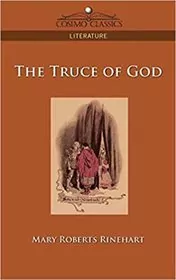
The Truce of God
by Mary Roberts Rinehart
1920
Set in a medieval castle at Christmastime, this short novel tells how young Clotilde, daughter of Lord Charles the Fair, intervenes in a bitter feud. Her courage helps bring about a fragile holiday peace between sworn enemies.

More Tish
by Mary Roberts Rinehart
1921
Further adventures of Tish, Aggie, and Lizzie take them from wartime service to peacetime camping trips, walking tours, and patriotic schemes. Their plans are always too ambitious, their results chaotic, and their loyalty to one another unshakable.
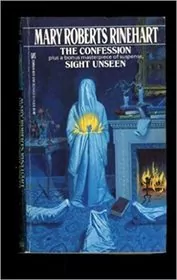
Sight Unseen
by Mary Roberts Rinehart
1921
During a séance in an old house, a stunt meant to expose fake spiritualism unexpectedly revives a real, unsolved murder. Eerie events follow as the narrator unravels who among the guests has killed before and is willing to kill again.

The Confession
by Mary Roberts Rinehart
1921
A middle-aged woman takes a quiet house in the country only to find it haunted by a written confession left by the previous tenant. As storm and blackout isolate the household, past sins and a long-buried crime come violently to the surface.

The Breaking Point
by Mary Roberts Rinehart
1922
In a Wyoming community, a respected country doctor hides a troubled past linked to a vanished man and a shooting years earlier. When a new crime echoes the old scandal, he must decide whether to sacrifice his hard-won life to set the record straight.
The Out Trail
by Mary Roberts Rinehart
1923
This short volume gathers Rinehart’s sketches of Western ranches and mountain camps, mixing trail mishaps and frontier characters with her reflections on why wide open spaces and hard travel keep drawing people back.
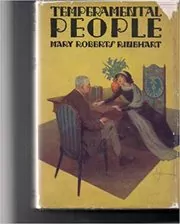
Temperamental People
by Mary Roberts Rinehart
1924
Stories about high-strung husbands, moody wives, and the small explosions that upset polite households. Rinehart balances wit and sympathy as she shows how pride, jealousy, and stubbornness can undo even well-meant marriages.
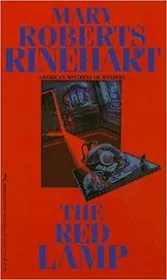
The Red Lamp
by Mary Roberts Rinehart
1925
Professor William Porter inherits a seaside estate whose previous owner died under odd circumstances. Strange visions in a red-shaded lamp, slaughtered sheep, and a chain of violent deaths leave him unsure whether the killer is human, ghost, or something in between.
Nomad's Land
by Mary Roberts Rinehart
1926
Part travel book and part meditation, this narrative follows Rinehart on camel and horseback through desert landscapes. She describes camps, guides, and ancient sites while reflecting on hospitality, cultural encounters, and the odd freedom of a life that keeps moving.
The Bat
by Mary Roberts Rinehart
1926
In this novelization of the hit play, adventurous spinster Cornelia Van Gorder rents a country house tied to a missing fortune and a corrupt banker. As a masked criminal known as the Bat stalks the grounds, hidden rooms and false identities complicate every clue.

Tish Plays the Game
by Mary Roberts Rinehart
1926
In this Tish volume, Letitia Carberry takes up golf to help a lovesick young couple, then plunges into schemes involving baby blimps, bootleggers, and treasure hunts. Her well-intended interference leaves chaos behind but usually nudges people toward unexpectedly happy endings.
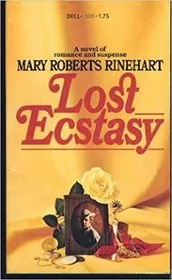
Lost Ecstasy
by Mary Roberts Rinehart
1927
This romantic novel centers on a young woman torn between a safe, conventional life and the pull of an intense past love in the American West. Ranch life, money, and jealousy turn her choice into a matter of loyalty, freedom, and survival.

This Strange Adventure
by Mary Roberts Rinehart
1928
A young woman accepts an impulsive proposal that carries her far from home into a marriage she barely understands. Faced with betrayal, scandal, and the shadow of crime, she must decide what kind of life counts as an adventure worth keeping.
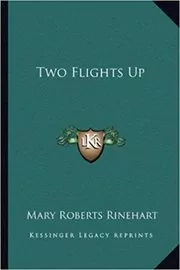
Two Flights Up
by Mary Roberts Rinehart
1928
Bond salesman Howard Warrington rents a room with three Bayne women in a respectable city house. As he observes their loneliness, frustrated hopes, and mounting despair, a suspected suicide forces him to face how poisonous the atmosphere upstairs has become.
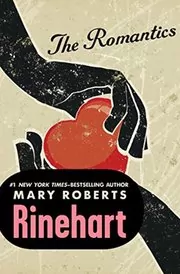
The Romantics
by Mary Roberts Rinehart
1929
These linked stories look at men and women who still think of themselves as romantic long after youth has passed. Rinehart teases them gently as they chase old dreams, stumble into new loves, and sometimes pay a high price for refusing to grow up.

The Door
by Mary Roberts Rinehart
1930
In Elizabeth Bell’s well-run house, small oddities—a burnt desk, a glimpse of a prowler—lead up to the brutal murder of the nurse who walked the dogs. When police say the killer must be an insider, Elizabeth fears what may be hidden behind her own doors.
My Story
by Mary Roberts Rinehart
1931
Rinehart’s autobiography traces her life from Pittsburgh childhood and nursing school through sudden bestsellerdom, war reporting, Hollywood and Broadway ventures, family joys, illnesses, and the hazards of fame. Candid and anecdotal, it shows how closely her fiction drew on real experience.

Double Alibi
by Mary Roberts Rinehart
1932
In this Hilda Adams case, better known under an alternate title, the nurse-detective is drawn into a puzzle where every major suspect has a perfect alibi. Untangling their stories forces her to question memories, timing, and how far fear can twist the truth.

Miss Pinkerton
by Mary Roberts Rinehart
1932
Special duty nurse Hilda Adams is sent to care for an elderly woman whose nephew has apparently died by suicide in a gloomy mansion. Secretly working for the police, Hilda prowls dark corridors, eavesdrops on quarrels, and wonders which member of the household is a killer.
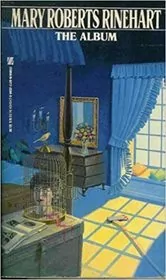
The Album
by Mary Roberts Rinehart
1933
On Crescent Place, a seemingly quaint cul-de-sac, five old houses hide decades of grudges and secrets. When a bedridden old woman is axed to death, the neighborhood becomes a closed circle of suspects whose faces and histories are recorded in one very revealing photograph album.
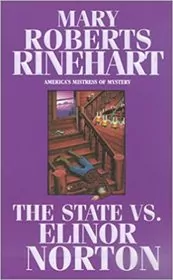
The State Vs. Elinor Norton
by Mary Roberts Rinehart
1934
Beautiful Elinor Norton has confessed to killing a man yet refuses to defend herself in court. As her oldest friend pieces together the story of her loveless marriage, consuming affair, and impossible choice, the question becomes what really happened the night of the shooting.
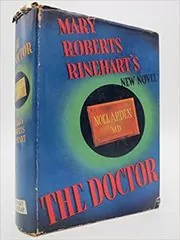
The Doctor
by Mary Roberts Rinehart
1936
Following a young physician from medical school into practice, this novel looks at professional ambition, family expectations, and the cost of devotion to patients. Romance and a suspicious death test both his ethics and his courage.
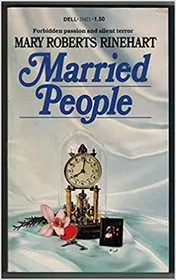
Married People
by Mary Roberts Rinehart
1937
Ten stories about marriages under strain, from comic domestic standoffs to dark tales of spouses driven to murder. Rinehart dissects the bargains couples make and what happens when jealousy, pride, or pure meanness push them past endurance.
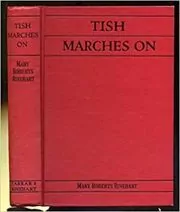
Tish Marches On
by Mary Roberts Rinehart
1937
Older but no wiser, Tish, Aggie, and Lizzie plunge into late-life causes, from small-town reform to wartime volunteering. Their overzealous tactics land them in scrapes with officials and neighbors, yet they usually blunder their way into doing some good.

The Wall
by Mary Roberts Rinehart
1938
On a fashionable New England island, Marcia Lloyd hopes for a peaceful summer at her family estate until her brother’s glamorous, grasping ex-wife arrives. When the woman is murdered, gossip and old grudges make almost every neighbor look like a plausible suspect.
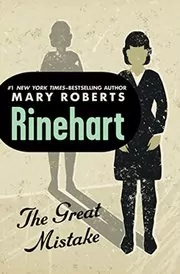
The Great Mistake
by Mary Roberts Rinehart
1940
Pat Abbott’s glamorous cousin Maud fills her estate with hangers-on and potential lovers, while Pat falls for a married man and senses danger in the air. Attempts on Maud’s life, a past scandal, and a shocking murder turn careless romance into deadly business.
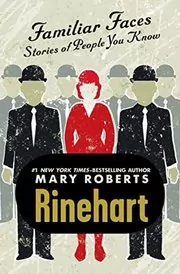
Familiar Faces
by Mary Roberts Rinehart
1941
This collection of stories revisits everyday types Rinehart’s readers thought they knew: gossipy neighbors, overbearing relatives, worried parents, and quiet office workers. Each tale twists a familiar figure into an unexpectedly sharp portrait, sometimes tinged with crime.
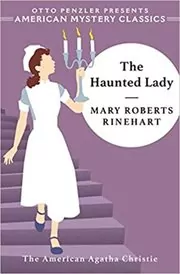
The Haunted Lady
by Mary Roberts Rinehart
1942
Nurse-detective Hilda Adams is sent to protect wealthy Eliza Fairbanks, who insists that bats, birds, and poisoned sugar are part of a plot to kill her. In a household full of greedy relatives, a locked-room stabbing proves the danger is very real.
Alibi for Isabel
by Mary Roberts Rinehart
1944
Centered on the title story, this collection features women who find themselves entangled with murder investigations, dubious lovers, and dangerous secrets. Rinehart focuses less on puzzle-clues than on the emotional pressure that can twist an alibi.
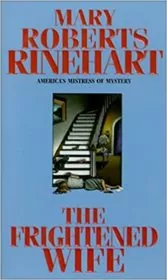
The Frightened Wife
by Mary Roberts Rinehart
1944
Anne Collier is certain her abusive husband wants her dead. When he is fatally shot and their little boy disappears, Anne is accused of murder. From her hospital bed she fights to prove she is not a killer while her lawyer uncovers what really happened.
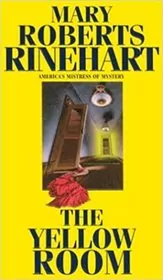
The Yellow Room
by Mary Roberts Rinehart
1945
During World War II, Carol Spencer goes to her family’s empty summer house in Maine and discovers a woman’s burned body hidden in a closet. As suspicion falls on her, she must uncover the victim’s identity and the killer before scandal destroys her family.
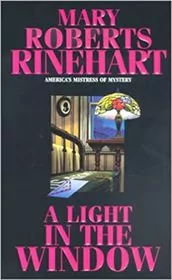
A Light in the Window
by Mary Roberts Rinehart
1948
In this late novel, Rinehart returns to themes of aging, memory, and second chances. A woman looking back on a lifetime of choices confronts old fears and one unresolved death when a familiar light appears again in a long-watched window.
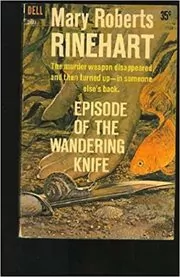
Episode of the Wandering Knife
by Mary Roberts Rinehart
1950
A quiet suburban gathering explodes in horror when a woman is stabbed and the murder weapon seems to vanish. When the same knife turns up in a second body, Hilda Adams is drawn into a cat-and-mouse game with a killer who keeps moving the evidence.
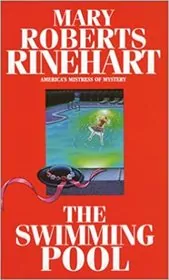
The Swimming Pool
by Mary Roberts Rinehart
1952
Sisters Lois and Judith Chandler live at their decaying estate, the Birches, burdened by their father’s suicide and old scandals. Judith’s nervous collapse, a dead woman in the pool who looks eerily like her, and family secrets give novelist Lois the most dangerous plot of her life.

The Frightened Wife and Other Murder Stories
by Mary Roberts Rinehart
1953
This later collection expands on the novella The Frightened Wife with additional tales of domestic murder, blackmail, and quietly desperate people pushed past their limits. Each story offers a compact, character-driven mystery with a sting in its tail.

The Best Of Tish
by Mary Roberts Rinehart
2013
This omnibus gathers some of the funniest Tish stories, showcasing Letitia Carberry’s passion for causes, reckless schemes, and unexpected heroics. It is an ideal sampler of her car chases, camping disasters, and last-minute rescues.
Where to start with Mary Roberts Rinehart
If you want her classic country-house mysteries: The Circular Staircase → The Door → The Red Lamp
If you like suspense with a hint of the uncanny: The Red Lamp → The Yellow Room → The Swimming Pool
If you want to meet her comic heroines: The Amazing Adventures of Letitia Carberry → Tish → More Tish → Tish Plays the Game
If you enjoy nurse detectives and closed-circle crimes: The Buckled Bag → Miss Pinkerton → The Haunted Lady → Episode of the Wandering Knife
If you prefer wartime drama and romance: The Amazing Interlude → Dangerous Days → A Poor Wise Man
Mary Roberts Rinehart sub-series and character series
Miss Cornelia Van Gorder books in order
Explore this seriesMiss Cornelia Van Gorder books in chronological order
Mary Roberts Rinehart collections, short stories, and related book types
Collections
Non-Fiction



by Mary Roberts Rinehart
1918A Chronicle of Sport and Adventure in Glacier Park and the Cascade Mountains



Standalone Mary Roberts Rinehart books
Author bio
Mary Roberts Rinehart was born Mary Ella Roberts in Allegheny City, Pennsylvania, in 1876, and grew up in a family that never had quite enough money. Her father was a clever but unlucky inventor, and the financial strain, along with his eventual suicide when she was nineteen, left a deep mark on her sense of how precarious life could be.
She was a voracious reader but not a star pupil, and she chose a practical path. At sixteen she finished high school and enrolled in nurse training at a Pittsburgh hospital. The work was grueling. Later she said that the wards held "all the tragedy of the world under one roof," and her time there gave her a close-up view of illness, injury, and the quiet courage of ordinary people.
In 1896 she married Dr. Stanley Rinehart, a young physician she had met during her training. They settled into busy domestic life and eventually had three sons. For a few years writing was something she squeezed in around night calls and housework. Then the 1903 stock market crash wiped out the couple’s savings. To help pull the family out of debt, she sat down at the kitchen table and wrote story after story for popular magazines.
The gamble worked. In 1908 she expanded a serial into the novel The Circular Staircase, about an aunt, a rented country house, and a summer that turns murderous. The book sold spectacularly well and made her a full-time writer. It also introduced the "had I but known" style of mystery, in which a reflective narrator hints at danger and bad decisions while the plot unspools.
Over the next decades she wrote at a remarkable pace: train mysteries like The Man in Lower Ten, domestic thrillers such as The Door and The Red Lamp, romantic war novels like The Amazing Interlude and Dangerous Days, and an enormous number of short stories. She became one of the most widely read American authors of her day, with serials in major magazines and book rights that helped support both her family and, later, her sons’ publishing ventures.
Rinehart was not content to stay at her desk. In 1915 she went to Europe as a war correspondent, traveling to Belgian field hospitals and along the front. Those experiences became Kings, Queens and Pawns, a series of vivid reports about soldiers, nurses, and the human cost of World War I. Her training as a nurse helped her gain access, but it was her curiosity and blunt empathy that make the pieces still feel immediate.
She also had a knack for recurring characters. Cornelia Van Gorder, the determined older lady at the center of The Bat, spends a long night in a supposedly haunted house. Tish Carberry and her friends Aggie and Lizzie charge through life in a string of comic adventures, meddling in everything from motor races to wartime schemes. Hilda Adams, a practical hospital nurse nicknamed Miss Pinkerton, goes on special assignments for the police in stories where sickrooms and crime scenes often overlap.
Success brought a large house outside Pittsburgh, summers in Bar Harbor, and long stays in Washington, D.C., where her husband worked for the Veterans Bureau. After his death she moved to New York City and stayed closely involved as her sons founded Farrar & Rinehart and later Rinehart & Company. Her own bestsellers were a pillar of those firms in their early years.
Her later life held its share of drama, including a serious house fire in Maine, an attack by a deranged employee, and a battle with breast cancer. She underwent a radical mastectomy and later wrote frankly about it in a magazine article titled "I Had Cancer," urging women to seek exams and not suffer in silence at a time when such topics were rarely discussed.
Rinehart kept writing into her seventies. By the time she died in New York in 1958, her books had sold in the millions, many had been adapted for stage and screen, and the cliché about "the butler" could be traced, at least in spirit, back to one of her plots. What remains on the page is less the slogan than the blend she returned to again and again: suspense grounded in everyday detail, a sharp eye for family tensions, and women who are often braver and more observant than anyone around them.






Edited by
Software engineer whose passion for tracking book recommendations from podcasts inspired the creation of MRB.
Lead investor at 3one4 Capital whose startup expertise and love for books helped shape MRB and its growth.
Comments
Did we miss something? Have feedback?
Help us improve this page by sharing your thoughts