
9 Best Zoology Books
The best zoology books, ranked by how many expert sources recommend each one, with notes on who each book suits, from beginners to animal science students.
Our take
Zoology studies animals through their bodies, behavior, evolution, and relationships with their environments. Some books introduce that whole field; others make one corner of it easier to understand. Your best starting point depends on whether you want a course of study, an illustrated reference, or engaging writing about how animals experience the world. A specialist bird book and a general textbook serve different purposes.
ISE Integrated Principles of Zoology offers a substantial academic foundation, with A Dictionary of Zoology nearby for unfamiliar terms. Handbook of Bird Biology provides depth for readers concentrating on birds, while Bird Sense asks more focused questions about their perception. King Solomon’s Ring offers historical observation and storytelling; Beyond Words brings a more recent perspective on animal minds. Children can begin with the projects in Zoology for Kids. If you are reading for pleasure, start with Bird Sense before committing to a large textbook.
9 books · 6 sources · Last updated
As an Amazon Associate, we earn from qualifying purchases (at no extra cost to you).
How to choose from this list
Skip to the full rankingIf you want a university-style foundation: ISE Integrated Principles of Zoology → A Dictionary of Zoology
If you want to understand birds: Bird Sense → Handbook of Bird Biology
If you're curious about animal minds: Beyond Words → King Solomon's Ring
If you want activities for children: Zoology for Kids
The 9 books, ranked
Ranked by how many expert sources name each book. Ties go to the book more people recommend.

ISE Integrated Principles of Zoology
For students who want a full introductory course organized around evolution. The broad coverage connects animal diversity with underlying principles, though its textbook density and edition-specific course materials make it a demanding first casual read.
What it's about
Cleveland P. Hickman Jr. and his coauthors present animal biology through the principles of evolution and zoological science. Organized for introductory courses, the textbook connects animal diversity and adaptations with physiology, ecology, and the mechanisms that shape evolutionary change.

For readers interested in animal emotions and social lives. Safina combines field encounters with questions about other minds, though the emphasis on elephants, wolves, and killer whales offers depth through selected species rather than broad coverage.
What it's about
Carl Safina combines field observations and research into animal brains to explore the lives of elephants, wolves, and killer whales. He examines personality, emotion, and social relationships, questioning sharp distinctions between human and animal experience.
Also recommended by
1 person Emma Watson recommended this book
Emma Watson
On the "books read" section of Emma Watson's GoodReads profile.
Emma Watson's recommendation of this book

A Dictionary of Zoology
For students and naturalists who need help with unfamiliar terminology. Its breadth makes it a useful companion to the other books here, though alphabetical entries answer specific questions rather than teach the subject in sequence.
What it's about
Michael Allaby's fourth edition defines zoological terminology across animal behavior, ecology, evolution, genetics, and physiology. More than six thousand entries include taxonomic coverage of major animal groups, supported by appendices and links to further reference material.

For readers who enjoy close observation and personal stories about animal behavior. Lorenz conveys curiosity more vividly than a reference book, though the historical interpretations need reading alongside more recent research.
What it's about
Konrad Lorenz describes animal behavior through observations of creatures including jackdaws, water-shrews, dogs, cats, and wolves. Illustrated with his own drawings, the book combines anecdotes and scientific curiosity to explore communication, social relationships, and the experience of living with animals.

For children who learn by making, playing, and investigating. Its activities connect animal science with possible careers more directly than the adult books, though younger readers will need materials, time, and some adult help.
What it's about
Josh and Bethanie Hestermann introduce children to animal forms, behavior, and the work of zoologists through 21 activities. Projects include an edible animal cell, a dolphin-echolocation game, and exhibit design, alongside explorations of animal-related careers and conservation.
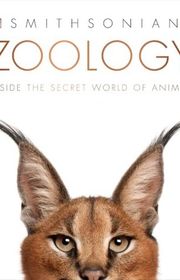
For visual learners who want to explore animal forms without starting with a college textbook. The photographs and comparisons reward browsing, though its accessible explanations leave less room for detailed mechanisms and academic depth.
What it's about
This illustrated survey explores animal bodies and adaptations through detailed photographs and explanations. Chapters compare features such as skeletons, senses, feeding structures, movement, and reproduction across animal groups, linking their visible differences with how they live.

For birdwatchers and general readers curious about animal perception. Birkhead gives sensory experience more sustained attention than a broad zoology survey, though the bird focus leaves other animal groups outside its scope.
What it's about
Tim Birkhead investigates how birds perceive their surroundings through sight, hearing, taste, smell, touch, and magnetic sensitivity. Scientific findings and observations explore the sensory experiences of different species, asking how their ways of interpreting the world compare with ours.

Handbook of Bird Biology
For serious bird enthusiasts and students ready for a substantial reference. Its illustrations and specialist coverage connect many parts of bird biology, though the size and detail exceed what most casual readers need.
What it's about
Edited by Irby J. Lovette and John W. Fitzpatrick, this illustrated handbook surveys bird biology from anatomy and flight to behavior and conservation. Chapters examine evolution, feeding, breeding, migration, populations, and communities, serving both enthusiasts and students of ornithology.

Zoology
For students seeking a manageable general survey of animal biology. Miller and Tupper offer a more compact course introduction than the largest textbook here, though the listed older edition may not match current assignments.
What it's about
Stephen A. Miller and Todd A. Tupper introduce general zoology in a principles-focused textbook for early college study. This eleventh edition is designed for nonmajors and combined courses, providing a manageable survey of the science of animal life.
Sources
- 1
Introduction - Zoology - Library Guides at University of Queensland Library
guides.library.uq.edu.au
- 2
9 Zoology Books You Should Read
myanimals.com
- 3
Top 10 Zoology Textbooks
wiki.ezvid.com
- 4
100 Best Zoology Books of All Time
shortform.com
- 5
Zoology Books
goodreads.com
- 6
Does anyone have any zoology book recommendations?
reddit.com






Edited by
Software engineer whose passion for tracking book recommendations from podcasts inspired the creation of MRB.
Lead investor at 3one4 Capital whose startup expertise and love for books helped shape MRB and its growth.
Comments
Did we miss something? Have feedback?
Help us improve this page by sharing your thoughts