
11 Best Vladimir Nabokov Books
The best Vladimir Nabokov books, ranked by how many expert sources recommend each one, with notes on their differences and approachable places to begin.
Our take
Vladimir Nabokov’s books turn reading into an exercise in noticing. A passing detail may become a pattern; a charming narrator may be hiding cruelty or self-deception. Across fiction written in Russian and English, he returns to exile, memory, artistic invention and the difficulty of knowing another person. His books suit readers who enjoy precise language and are willing to question the account they are being given.
They differ greatly in form and difficulty. Pnin offers a relatively approachable mixture of comedy and loneliness, while Speak, Memory brings his attention to detail into autobiography. Lolita requires readers to look past its narrator’s rhetoric to the abuse it conceals. Pale Fire builds a novel through a poem and its commentary, and Ada, or Ardor demands more patience with elaborate allusions. Start with Pnin for a short novel or The Stories of Vladimir Nabokov for a varied sample.
11 books · 9 sources · Last updated
As an Amazon Associate, we earn from qualifying purchases (at no extra cost to you).
Reading Vladimir Nabokov in order? See all Vladimir Nabokov books in order
How to choose from this list
Skip to the full rankingIf you're new to Nabokov: Pnin → Speak, Memory
If you enjoy literary puzzles: The Real Life of Sebastian Knight → Pale Fire
If you want shorter fiction: The Stories of Vladimir Nabokov
If you're interested in art and obsession: The Luzhin Defense → The Gift
If you want surreal political fiction: Invitation to a Beheading → Bend Sinister
If you're ready for his densest novel: Ada, or Ardor
The 11 books, ranked
Ranked by how many expert sources name each book. Ties go to the book more people recommend.
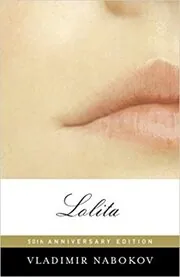
Lolita
For readers interested in how beautiful language can conceal moral horror. Its sustained unreliable narration makes close attention essential, though the depiction of child sexual abuse is deeply disturbing and should never be mistaken for endorsement.
What it's about
Told by the self-justifying professor Humbert Humbert, this novel follows his grooming, abduction, and sexual abuse of twelve-year-old Dolores Haze during a road trip across America, exposing how language and charm can mask violence, self-delusion, and a child's suffering.
Also recommended by
5 people J.K. Rowling recommended this book
J.K. Rowling
"There are two books whose final lines make me cry without fail, irrespective of how many times I read them, and one is [this book]." - J.K. Rowling
J.K. Rowling's recommendation of this book  Ev Williams recommended this book
Ev Williams
On the "books read" section of Ev Williams' GoodReads profile.
Ev Williams's recommendation of this book  PewDiePie recommended this book
PewDiePie
"Loved it." - PewDiePie
PewDiePie's recommendation of this book  Tavi Gevinson recommended this book
Tavi Gevinson
"For articulating, intentionally or not, what it means to be in love with the idea of love, in love with your own memories, with your own control, with a prevailing aloneness." - Tavi Gevinson
Tavi Gevinson's recommendation of this book  Bryan Callen recommended this book
Bryan Callen
Bryan Callen recommended this book on YouTube.
Bryan Callen's recommendation of this book
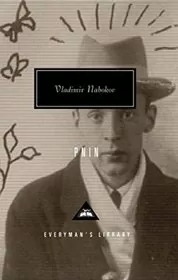
Pnin
For newcomers who want comedy, exile and recognizable human vulnerability in a short novel. Its episodic structure offers an approachable entry into Nabokov, though the narrator’s attitude makes even apparently affectionate scenes worth questioning.
What it's about
Timofey Pnin, a hapless but dignified Russian professor in small-town America, stumbles through mispronounced lectures, housing mishaps, and academic politics, while the sly narrator alternates between gently mocking and quietly honouring his stubborn decency.
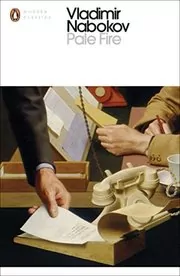
Pale Fire
For readers who enjoy reconstructing a story from contradictory clues. The poem-and-commentary structure makes reading itself part of the novel’s subject, though the jokes and puzzles can initially obscure its grief and human vulnerability.
What it's about
Presented as a 999-line poem by John Shade plus a sprawling commentary by his deranged neighbour Charles Kinbote, this novel lets footnotes, fantasies, and literary puzzles slowly reveal competing stories of grief, exile, and possible delusion.
Also recommended by
1 person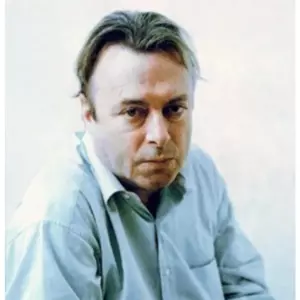 Christopher Hitchens recommended this book
Christopher Hitchens
"Instead of making you want to write, [makes] you wonder why you bother." - Christopher Hitchens
Christopher Hitchens's recommendation of this book
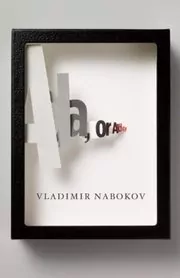
For experienced Nabokov readers who enjoy elaborate wordplay, imagined worlds and reflections on time. Its density offers extensive material for rereading, though the incestuous relationship and layers of allusion make it a demanding starting point.
What it's about
Told as the memoir of Van Veen, this sprawling family chronicle on an alternate Earth traces his lifelong, taboo love affair with his sister Ada, weaving together romance, mock science, philosophy, and elaborate wordplay over decades.
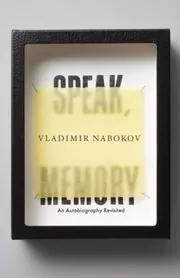
For readers who prefer memoir and want to see how Nabokov turns remembered detail into pattern. Its attention to childhood and exile makes the prose rewarding, though it is selective rather than a complete life story.
What it's about
Nabokov's memoir revisits his aristocratic Russian childhood, family estates, first love, exile, Cambridge years, and early writing life, arranging memories as intricate motifs that link butterflies, games, and loss across time.
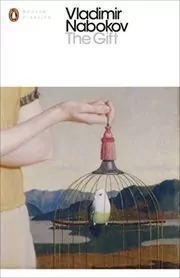
The Gift
For readers interested in artistic development and Russian literary culture. Its nested writing and parody connect a novelist’s craft with his experience of exile, though lengthy literary digressions reward prior knowledge and patience.
What it's about
Set among Russian émigrés in 1920s Berlin, this richly layered novel traces young writer Fyodor Godunov-Cherdyntsev as he recalls his explorer father, falls in love, and composes a scandalous biography, blending parody, autobiography, and a portrait of artistic growth.
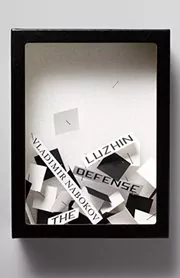
The Luzhin Defense
For readers interested in the tension between artistic concentration and ordinary life. The chess-centered perspective offers a relatively accessible route into Nabokov’s patterns and obsessions, though its psychological distress makes the humor uneasy.
What it's about
An awkward, isolated boy grows into a world-famous chess grandmaster whose life becomes indistinguishable from the game, as obsessive calculation and pressure push Luzhin toward a mental collapse that his adoring but helpless wife cannot prevent.
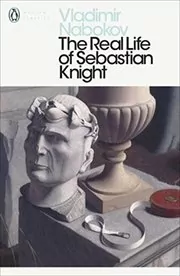
The Real Life of Sebastian Knight
For readers drawn to the uncertainty of biography and the relationship between authors and their creations. Its relatively compact form concentrates Nabokov’s narrative games, though the search for a stable account is deliberately frustrated.
What it's about
After the death of his half brother, a Russian born English novelist, the narrator V sets out to write Sebastian Knight's biography, interviewing friends and lovers and discovering how easily facts blur into fiction and self-projection.
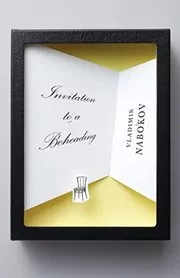
Invitation to a Beheading
For readers who prefer surreal fiction about individuality and oppression. Its theatrical unreality gives Nabokov’s concern with inner freedom a distinctive form, though the dreamlike setting resists the clear rules of a conventional dystopia.
What it's about
Cincinnatus C, imprisoned in a surreal totalitarian state for the vague crime of 'gnostical turpitude', waits for an unnamed execution date while trying to write and to locate a more authentic inner reality than the flimsy world around him.
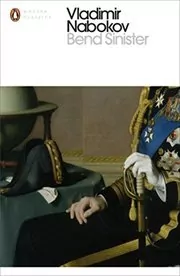
Bend Sinister
For readers who want Nabokov’s verbal experimentation directed at the cruelty of political power. Its focus on private grief gives the satire emotional stakes, though grotesque comedy and narrative interruptions make the experience deliberately unsettling.
What it's about
In a grim, invented European state ruled by the Party of the Average Man, philosopher Adam Krug resists a brutish new regime that tries to coerce his support, turning his grief and moral refusal into a bleak, nightmarish fable about totalitarianism.
Also recommended by
1 person- Christopher Hitchens recommended this book
Christopher Hitchens
"Prescient and haunting." - Christopher Hitchens
Christopher Hitchens's recommendation of this book
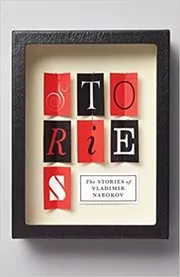
The Stories of Vladimir Nabokov
For readers who want to sample Nabokov’s changing styles without beginning a long novel. The collection spans different periods and languages, though the range means its pieces vary considerably in accessibility and emotional tone.
What it's about
A single-volume collection of nearly all Nabokov's short fiction, from early Russian tales to late English pieces, showcasing his gift for compressed storytelling, intricate wordplay, and abrupt shifts between whimsy, melancholy, and flashes of cruelty.
Also recommended by
1 person Safi Bahcall recommended this book
Safi Bahcall
"When I opened [this book] up to at random [page], and I started reading his sentences, my jaw dropped. I didn’t know the English language could do that." - Safi Bahcall
Safi Bahcall's recommendation of this book
Sources
- 1
The 10 Best Vladimir Nabokov Books
publishersweekly.com
- 2
Vladimir Nabokov Books in Order, and Which to Read First
lisanneswart.com
- 3
Books by Vladimir Nabokov - Five Books Expert Recommendations
fivebooks.com
- 4
The 8 Best Vladimir Nabokov Books
petergalenmassey.com
- 5
Vladimir Nabokov Books
goodreads.com
- 6
Rank the Nabokov books/stories you’ve read
reddit.com
- 7
His works, Ranked by Quality?
reddit.com
- 8
The greatest books written by Vladimir Nabokov
thegreatestbooks.org
- 9
5 of Vladimir Nabokov’s Books Ranked
bookanalysis.com











Edited by
Software engineer whose passion for tracking book recommendations from podcasts inspired the creation of MRB.
Lead investor at 3one4 Capital whose startup expertise and love for books helped shape MRB and its growth.
Comments
Spotted a missing book, a wrong order or a mistake? Tell us and we'll fix this page.
We're a reading guide, not the author or publisher, so we can't send books or pass on messages.