
12 Best Email Marketing Books
The best email marketing books, ranked by how many expert sources recommend each one, with notes to help you choose strategy guides, writing tools, and automation.
Our take
Email marketing books help readers think about what to send, whom to send it to, and how messages fit into a longer customer relationship. Some explain the whole program, from subscriber acquisition to testing. Others concentrate on writing, selling, or automated journeys. The right starting point depends on whether you're creating a first newsletter, improving an existing program, or connecting email with a wider business strategy.
Email Marketing Rules provides a reference-style approach, while E-Mail Marketing For Dummies introduces the main concepts. The New Email Revolution focuses more on drafting messages, and Email Persuasion emphasizes relationships for service businesses. Permission Marketing supplies a broader argument about earning attention; Natural Orders concentrates on lifecycle automation. Many older titles contain software examples or tactical details that need current verification. Start with the beginner guide for orientation, then choose Email Persuasion for relationship building or Natural Orders for a connected automation strategy.
12 books · 8 sources · Last updated
As an Amazon Associate, we earn from qualifying purchases (at no extra cost to you).
How to choose from this list
Skip to the full rankingIf you're creating your first email program: E-Mail Marketing For Dummies
If you want to review an existing program: Email Marketing Rules
If you need practical writing help: The New Email Revolution → Email Marketing That Doesn't Suck
If you sell services through relationships: Permission Marketing → Email Persuasion
If you want a lifecycle automation framework: Natural Orders
If you need email within a wider marketing plan: Mastering Online Marketing
The 12 books, ranked
Ranked by how many expert sources name each book. Ties go to the book more people recommend.
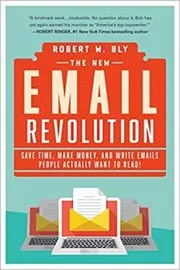
The New Email Revolution
Save Time, Make Money, and Write Emails People Actually Want to Read!
For marketers who want examples and templates for writing messages. Its attention to subjects, structure, and calls to action provides a more immediate drafting aid than a strategy overview, though templates still need adapting to a brand's audience.
What it's about
Robert Bly explains writing personal and business emails through examples, templates, and discussions of message structure. The guide covers subject lines, calls to action, newsletters, automated sequences, formatting, and the practical barriers to email delivery.
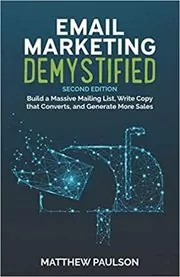
Email Marketing Demystified
Build a Massive Mailing List, Write Copy that Converts and Generate More Sales
For readers interested in building and monetizing a subscriber audience. The commercial focus connects list growth with content and offers more directly than a general writing guide, though the examples reflect a particular type of email-based business.
What it's about
Matthew Paulson presents methods for building mailing lists, writing email copy, and developing revenue through subscriber relationships. The book examines the marketing funnel, audience engagement, and deliverability, drawing on his experience running email-based businesses.
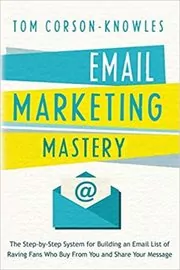
Email Marketing Mastery
For small operators who want an introduction to setting up a list and supporting pages. The tutorial approach turns general concepts into recognizable tasks, though the older software walkthroughs need adapting to current tools.
What it's about
Tom Corson-Knowles introduces email marketing through tutorials on building a subscriber list, choosing an autoresponder, and setting up supporting web pages. The guide also explains using campaign analytics to evaluate conversions and improve marketing systems.
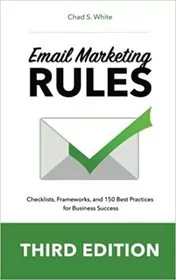
Email Marketing Rules
Checklists, Frameworks, and 150 Best Practices for Business Success
For marketers who want a reference organized around repeatable practices and checks. The structured format makes it easier to audit an existing program than a narrative guide, though this older edition's technical details need current verification.
What it's about
Chad White organizes email marketing practices into rules, checklists, and frameworks for planning campaigns. The guide examines subscriber permission, relevant messaging, list growth, lifecycle relationships, and deliverability, connecting business objectives with the needs of recipients.
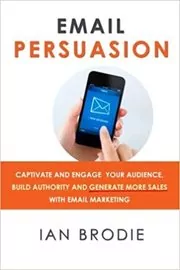
Email Persuasion
Captivate and Engage Your Audience, Build Authority and Generate More Sales With Email Marketing
For consultants and service businesses that need trust before a sale. The relationship-centered approach gives useful content a clearer role than repeated promotional offers, though it provides less help with complex retail catalogs or technical implementation.
What it's about
Ian Brodie explains how useful email content can build trust and prepare potential clients to buy. The guide emphasizes understanding an audience and developing relationships over time through insights, stories, and examples that establish professional authority.
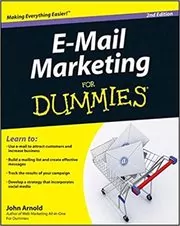
E-Mail Marketing For Dummies
For beginners who want the main parts of an email campaign explained together. Its broad introduction reduces the initial terminology barrier, though older platform examples and delivery advice need checking against the tools in use.
What it's about
John Arnold explains how to plan email marketing campaigns, build subscriber lists, create messages, and interpret results. The guide also discusses delivery, professional standards, and integrating email with other marketing channels, including social media.
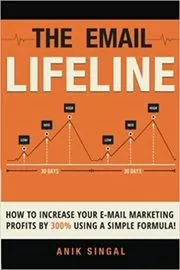
The Email Lifeline
How to Increase Your E-Mail Marketing Profits by 300% Using a Simple Formula
For readers who want email activity organized around products and promotions. Its focused framework makes the sales process more explicit than a broad marketing introduction, though the promotional emphasis leaves less room for wider brand and service objectives.
What it's about
Anik Singal examines email marketing through list building, message writing, product selection, and event-based campaigns. Drawing on his own business experience, he explains common reasons campaigns fail and presents a framework for organizing promotional activity.
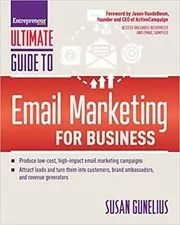
Ultimate Guide to Email Marketing for Business
For readers who want a broad plan connecting acquisition, segmentation, automation, and testing. The program-level coverage is more cohesive than isolated copywriting tips, though it offers less detail on implementing everything inside a particular email platform.
What it's about
Susan Gunelius explains developing an email marketing program from subscriber acquisition through customer relationships. The guide covers content offers, segmentation, automation, conversion funnels, testing, and performance metrics, with attention to deliverability and the subscriber experience.
Mastering Online Marketing
Create Business Success Through Content Marketing, Lead Generation, and Marketing Automation
For readers who need email placed within the wider digital marketing system. Its connections between content, lead generation, and automation provide useful context, though email receives less specialized treatment than in the dedicated guides.
What it's about
Magnus Unemyr surveys online marketing through content creation, search, social media, email, and automation. The guide connects lead generation and nurturing with landing pages, audience targeting, and web analytics used to evaluate marketing activity.
For readers who want a foundational argument for earning attention rather than repeatedly interrupting people. Its relationship perspective gives email tactics a larger purpose, though the older examples and broad scope provide little practical campaign setup guidance.
What it's about
Seth Godin proposes building marketing around people's willingness to receive messages rather than interrupting them. He explores how attracting interested customers and earning their permission can support trust, ongoing relationships, and more relevant communication.
Also recommended by
2 people Noah Kagan recommended this book
Noah Kagan
"No one wants your annoying ass marketing. Get their permission and deliver more than what they expect." - Noah Kagan
Noah Kagan's recommendation of this book  Michael Hyatt recommended this book
Michael Hyatt
Michael Hyatt recommended this book on his website.
Michael Hyatt's recommendation of this book
Email Marketing That Doesn't Suck
For marketers whose emails feel impersonal or difficult to write. The emphasis on voice and storytelling offers a different starting point from conversion formulas, though the irreverent style will not suit every brand or audience.
What it's about
Bobby Klinck presents an approach to email centered on personality, storytelling, and messages subscribers may enjoy reading. He connects writing habits and audience relationships with the commercial purposes of an email program, using a conversational and humorous style.
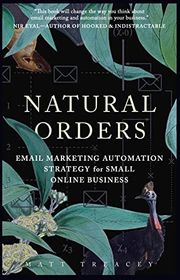
Natural Orders
For small online businesses that want an automation strategy before assembling individual campaigns. Its lifecycle perspective connects messages across a customer's relationship with the business, though applying the framework still requires data, platform setup, and ongoing testing.
What it's about
Matt Treacey uses ideas from ecology to explain email marketing automation for small online businesses. The book examines subscriber journeys, relationships between messages, and the systems that connect customer behavior with communication across different stages of a business relationship.
Sources
- 1
10 Best Email Marketing Books To Jumpstart Your Strategy
getresponse.com
- 2
9 Best Email Marketing Books To Become an Email Expert in 2026
mailmodo.com
- 3
The 17 Best Email Marketing Books to Read in 2026
thecmo.com
- 4
17 Best Email Marketing Books Ever
snov.io
- 5
Email Marketing Books: 15 Reads for a Better Strategy
emailonacid.com
- 6
10 Email Marketing Books Every Marketer Should Read
campaignmonitor.com
- 7
Email Marketing Books
goodreads.com
- 8
Best Email Marketing Books 2026 for Irish Marketers
sink-or-swim-marketing.com
Edited by
Software engineer whose passion for tracking book recommendations from podcasts inspired the creation of MRB.
Lead investor at 3one4 Capital whose startup expertise and love for books helped shape MRB and its growth.
Comments
Spotted a missing book, a wrong order or a mistake? Tell us and we'll fix this page.
We're a reading guide, not the author or publisher, so we can't send books or pass on messages.