
11 Best Systematic Theology Books
The best systematic theology books, ranked by expert-source recommendations, with notes for beginners, students, and readers comparing Christian traditions.
Our take
Systematic theology connects Christian beliefs about God, humanity, salvation, the church, and the future. These books help readers see how an author's interpretation of Scripture fits together across those subjects. They range from short introductions for personal study to substantial textbooks and works that reward years of reference and discussion.
Evangelical and Reformed perspectives are strongly represented here, and each author's commitments shape the conclusions. Grudem's Christian Beliefs and Packer's Concise Theology offer manageable entry points. Grudem and Erickson provide larger evangelical treatments, while Berkhof, Calvin, Bavinck, Frame, and Horton develop distinct Reformed accounts. McGrath and Thomas's Christian Theology provides a broader introduction across Christian traditions, including their history and methods. Consider both your background and the depth of argument you want: a brief handbook and a four-volume work serve different purposes. Start with Christian Beliefs for a first overview, or McGrath and Thomas if comparing traditions is your main aim.
11 books · 8 sources · Last updated
As an Amazon Associate, we earn from qualifying purchases (at no extra cost to you).
How to choose from this list
Skip to the full rankingIf you want a first overview: Christian Beliefs → Concise Theology
If you want to compare Christian traditions: Christian Theology
If you want to read Reformation theology: Institutes of the Christian Religion
If you want extended Reformed study: Reformed Dogmatics
If you want doctrine connected to church life: The Christian Faith
If you want MacArthur's theological framework: Biblical Doctrine
The 11 books, ranked
Ranked by how many expert sources name each book. Ties go to the book more people recommend.

Systematic Theology
For readers seeking a compact but substantial Reformed reference, Berkhof presents doctrines in a tightly organized framework. It is useful for comparing theological categories, though the compressed explanations and technical vocabulary make it less welcoming to beginners.
What it's about
Louis Berkhof presents the doctrines of the Reformed Christian tradition in a systematic framework. His treatment moves through God, humanity, Christ, salvation, the church, and the last things, examining the theological relationships among these central areas of belief.
Christian Theology
For students wanting an evangelical textbook that considers competing positions, Erickson develops arguments across the major doctrines. Its explanatory breadth supports classroom or independent study, though the length requires more sustained attention than a concise introductory handbook.
What it's about
Millard Erickson surveys Christian doctrine from an evangelical perspective, examining Scripture, God, humanity, Christ, salvation, the church, and last things. He considers alternative positions and connects theological conclusions with questions of Christian life and ministry.

Institutes of the Christian Religion
For readers wanting to encounter Reformation theology at its source, Calvin connects doctrine with Scripture and Christian life. It adds historical depth beyond contemporary textbooks, though the sustained arguments and period controversies call for patient reading.
What it's about
John Calvin sets out a systematic account of Protestant belief and the Christian life. He examines Scripture, the church, sacraments, and justification by faith, placing particular emphasis on God's sovereignty in salvation and defending the principles of the Reformation.

For readers wanting a substantial evangelical reference with clear organization, Grudem connects doctrinal arguments with biblical passages and personal application. Its teaching features support independent study, though its theological commitments should be considered alongside other traditions.
What it's about
Wayne Grudem organizes Christian doctrine into topics supported by biblical passages, explanations, and responses to objections. This revised second edition expands discussions of contemporary theological debates while retaining personal applications, key terms, memory passages, and suggested hymns and worship songs.
The Christian Faith: A Systematic Theology for Pilgrims on the Way
For readers wanting doctrine connected to the church's lived faith, Horton develops a substantial Reformed account for study and ministry. It gives those connections more space than a short reference, though the academic density assumes patient reading.
What it's about
Michael Horton presents Christian doctrine as an interconnected account of belief and life from a Reformed perspective. The book engages biblical teaching, historical theology, and contemporary questions while relating theological understanding to worship, ministry, and Christian practice.

For advanced readers pursuing Reformed theology in depth, Bavinck combines doctrinal argument with extensive historical and philosophical engagement. The four volumes provide room for sustained exploration, though their scale makes them a major reading commitment.
What it's about
Bavinck's four-volume work presents a systematic account of Reformed Christian theology. Beginning with theological foundations, it proceeds through God and creation, sin and salvation in Christ, and the Holy Spirit, church, and new creation, engaging historical and philosophical questions throughout.
Systematic Theology: An Introduction to Christian Belief
For readers wanting a substantial Reformed account with practical implications, Frame draws together his theological teaching into one extended treatment. Its integration rewards sustained study, though the strongly confessional approach offers less distance than a comparative textbook.
What it's about
John Frame presents a systematic account of Christian belief from a Reformed perspective, connecting biblical teaching across major doctrines. The work brings together his discussions of theology, knowledge, ethics, and Christian living within an integrated framework.
Concise Theology: A Guide to Historic Christian Beliefs
For readers who want doctrine in short sessions, Packer's brief chapters make a useful reference and reading companion. It covers more individual topics than Grudem's introductory handbook, though its Reformed summaries offer limited space for debate.
What it's about
J. I. Packer explains 94 topics in Christian doctrine through short chapters with biblical references. Written from a Reformed perspective, the book moves across central beliefs about God, humanity, salvation, the church, and the Christian life.
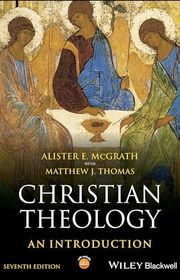
Christian Theology: An Introduction
For students wanting to compare Christian traditions, McGrath and Thomas introduce historical developments, theological methods, and central doctrines. The wider scope helps orient unfamiliar readers, though it offers less sustained defense of one confessional system than Berkhof.
What it's about
Alister McGrath and Matthew Thomas introduce Christian theology through its history, methods, philosophical questions, and major doctrines. The textbook considers Catholic, Orthodox, Protestant, and evangelical perspectives, providing definitions and learning materials for students beginning formal theological study.

For readers wanting to study the doctrinal framework behind MacArthur's ministry, this provides a coordinated reference grounded in biblical arguments. Its focus gives the volume coherence, though readers seeking a broad comparison of traditions will need other works.
What it's about
Edited by John MacArthur and Richard Mayhue, this volume organizes the theology underlying MacArthur's preaching into a systematic reference. It examines Christian doctrines concerning Scripture, God, Christ, the Holy Spirit, and salvation, explaining their biblical basis and relationships.

For newcomers who want a manageable introduction, Grudem condenses major doctrines into twenty topics with reflection questions. Its brevity makes beginning easier than a full systematic theology, though it leaves less room for competing interpretations and detailed argument.
What it's about
Wayne Grudem introduces twenty central Christian beliefs in an accessible condensation of his work on systematic theology. The guide explains foundational doctrines for new believers and readers seeking a refresher, with questions encouraging reflection and application.
Sources
- 1
The Best Systematic Theology Books
learnofchrist.com
- 2
My Top 7 Systematic Theology Books
gospelrelevance.com
- 3
Systematic Theologies: A List (Help Me Update!)
joshuapsteele.com
- 4
Recommended Reading: Systematic Theologies
learn.ligonier.org
- 5
Systematic Theology Books
goodreads.com
- 6
Book about systematic theology
reddit.com
- 7
ST515 Systematic Theology – Scripture, Theology, Anthropology Syllabus
cdn.rts.edu
- 8
Theology starter pack?
reddit.com


Edited by
Software engineer whose passion for tracking book recommendations from podcasts inspired the creation of MRB.
Lead investor at 3one4 Capital whose startup expertise and love for books helped shape MRB and its growth.
Comments
Spotted a missing book, a wrong order or a mistake? Tell us and we'll fix this page.
We're a reading guide, not the author or publisher, so we can't send books or pass on messages.