
10 Best Theology Books
The best theology books, ranked by how many expert sources recommend each one, with notes on Christian doctrine, devotion, apologetics and where to start.
Our take
Theology examines beliefs about God, humanity, salvation and how faith shapes a life. This selection centers on Christian theology, with a strong Protestant and Reformed emphasis alongside earlier Christian writing. The books also differ in purpose: a devotional reflection, an argument for belief and a systematic account of doctrine will not answer quite the same questions or ask for the same background.
Mere Christianity offers a conversational introduction to central beliefs, while Everyone's a Theologian gives a more organized doctrinal overview. Knowing God and The Knowledge of the Holy connect ideas about God with worship and personal faith. The Reason for God and The Case for Christ approach questions through apologetics. For sustained study, Grudem's Systematic Theology provides extensive biblical discussion, while Calvin's Institutes of the Christian Religion introduces a major historical Reformed work. Augustine's Confessions combines personal narrative with prayer and philosophical reflection. Begin with the kind of question you have, then compare the book's perspective with another tradition or approach.
10 books · 7 sources · Last updated
As an Amazon Associate, we earn from qualifying purchases (at no extra cost to you).
How to choose from this list
Skip to the full rankingIf you're beginning with central Christian beliefs: Mere Christianity → Everyone's a Theologian
If you want doctrine connected with devotion: The Knowledge of the Holy → Knowing God
If you're exploring arguments for belief: The Reason for God → The Case for Christ
If you're ready for systematic study: Everyone's a Theologian → Systematic Theology
If you want major historical works: Confessions → Institutes of the Christian Religion
If you want a focused Reformed treatment of God's nature: The Attributes of God
The 10 books, ranked
Ranked by how many expert sources name each book. Ties go to the book more people recommend.

Knowing God
For Christians who want doctrine connected with personal faith and worship. Packer combines reflection on God's character with pastoral application, though his evangelical convictions make this an engaged account rather than a neutral survey of theological traditions.
What it's about
J. I. Packer explores Christian teaching about God's character and the relationship between theological knowledge and personal faith. His reflections connect understanding doctrines with knowing God through Jesus Christ, encouraging a deeper engagement with Christian belief.
Also recommended by
1 person Albert Mohler recommended this book
Albert Mohler
"Came to me as a lifeline when I was an 18-year-old Christian." - Albert Mohler
Albert Mohler's recommendation of this book
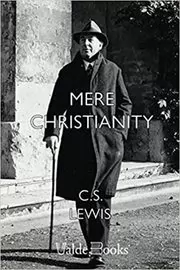
Mere Christianity
For readers who want an accessible argument for central Christian beliefs before a systematic textbook. Lewis's analogies make abstract ideas easier to discuss, though the conversational case and period-specific examples offer less precision than a detailed academic treatment.
What it's about
Based on Lewis’s wartime BBC talks, this book lays out a plainspoken case for historic Christian belief. He moves from moral law and the existence of God to Christian doctrine and ethics, inviting readers to examine faith with both reason and imagination.
Also recommended by
1 person Russell Moore recommended this book
Russell Moore
Russell Moore recommended this book on Twitter.
Russell Moore's recommendation of this book

For readers wrestling with common objections to Christian belief. Keller connects theological arguments with cultural and personal questions, though his apologetic purpose is to defend a Christian position rather than provide an impartial comparison of religions.
What it's about
Timothy Keller addresses common objections to Christian belief and makes a case for its rational foundations. Drawing on literature, philosophy, and conversations with skeptics, he explores questions that trouble believers as well as people who doubt religion.

The Institutes Of The Christian Religion
For readers ready to study a foundational Reformed theological work in depth. Calvin connects major doctrines in a sustained argument, though the extensive two-volume text and Reformation controversies demand more background and patience than the introductory guides.
What it's about
John Calvin presents an introduction to Christian faith that develops his defense of Reformation theology. The work treats the Bible, salvation, the church, and sacraments, with God's sovereignty serving as a central theme throughout his theological arguments.
Also recommended by
1 person- Russell Moore recommended this book
Russell Moore
Russell Moore recommended this book on Twitter.
Russell Moore's recommendation of this book
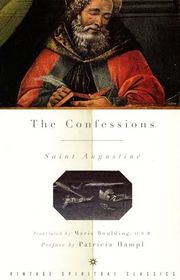
Confessions
For readers who want theology expressed through memory, desire and prayer. Augustine's personal narrative offers a different entry from doctrinal summaries, though the later philosophical and biblical reflections become more demanding than the autobiographical opening.
What it's about
Augustine recounts his earlier life and conversion to Christianity in a sustained address to God. The work moves from memories of childhood, study and relationships into reflections on desire, memory, time and the interpretation of creation.
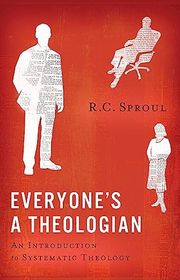
Everyone's a Theologian
For beginners who want a compact map of Christian doctrine before a larger textbook. Sproul breaks systematic theology into manageable topics, though the concise explanations reflect a Reformed perspective and leave less room for competing traditions.
What it's about
R. C. Sproul surveys Christian doctrine in short chapters, organizing biblical teachings into connected topics. The introduction explains theological terms and considers beliefs about God, humanity, Christ, salvation and the church from a Reformed Christian perspective.

For readers who want a substantial, topic-by-topic explanation of Christian doctrine with biblical support. Grudem supplies definitions and applications alongside disputed questions, though the length and particular evangelical positions require comparison with other theological traditions.
What it's about
Wayne Grudem organizes Christian doctrine into topics supported by biblical passages, explanations, and responses to objections. This revised second edition expands discussions of contemporary theological debates while retaining personal applications, key terms, memory passages, and suggested hymns and worship songs.

The Case for Christ
A Journalist's Personal Investigation of the Evidence for Jesus
For readers who prefer an interview-based introduction to arguments about Jesus and the Christian faith. Strobel gives the investigation narrative momentum, though the selected experts and apologetic purpose offer a case for belief rather than a balanced scholarly survey.
What it's about
Retracing his own spiritual journey from atheism to faith, a former legal editor interviews thirteen scholars to examine the historical record of Jesus. The book investigates ancient documents, archaeological evidence, and medical data surrounding the crucifixion.

The Knowledge of the Holy
For readers who want short devotional reflections on divine attributes. Tozer emphasizes reverence and the implications of belief for prayer, though the meditative approach develops fewer detailed arguments than Packer or a systematic theology textbook.
What it's about
A. W. Tozer reflects on God’s nature and the meaning of divine attributes for Christian life. His devotional discussion links wisdom, holiness, grace, and mercy with prayer, reverence, and a deeper awareness of God.

The Attributes of God
For readers who want a concentrated Reformed study of God's attributes. Pink links doctrinal claims with worship and personal response, though the compact, strongly confessional presentation gives less space to alternative interpretations or historical debate.
What it's about
Arthur W. Pink examines God’s attributes from a Reformed Christian perspective, including sovereignty, holiness, knowledge, grace, mercy, and love. He connects biblical teaching about God’s nature with worship, personal faith, and the believer’s response.
Sources
- 1
7 Best Theology Books for Beginners
gospelrelevance.com
- 2
100+ Book Recommendations for Christians
kevinhalloran.net
- 3
Theology Books
goodreads.com
- 4
What are great Theology books for beginners?
reddit.com
- 5
Book recommendations for someone who knows absolutely nothing about theology but would like to start learning?
reddit.com
- 6
Top 10 Theology Books That Have Impacted My Life
derekdemars.com
- 7
Theology
fivebooks.com





Edited by
Software engineer whose passion for tracking book recommendations from podcasts inspired the creation of MRB.
Lead investor at 3one4 Capital whose startup expertise and love for books helped shape MRB and its growth.
Comments
Did we miss something? Have feedback?
Help us improve this page by sharing your thoughts