
28 Best Christian Books
The best Christian books, ranked by how many expert sources recommend each one, with notes on devotion, belief, memoirs, fiction and the best place to start.
Our take
Christian books can explain beliefs, encourage prayer, challenge familiar habits or tell a story shaped by faith. This selection includes older devotional works, popular introductions, apologetics, memoirs and fiction, with a substantial evangelical and Protestant emphasis. The books differ in theological outlook as well as reading style, so it helps to choose the kind of engagement you want rather than expect each one to serve the same purpose.
Mere Christianity introduces central beliefs through argument and analogy, while Knowing God links doctrine with personal faith. The Purpose Driven Life provides a structured sequence of reflection, and The Imitation of Christ offers an older devotional voice. For stories, The Pilgrim's Progress uses allegory and The Screwtape Letters uses satire. The Hiding Place approaches faith through wartime testimony, while Augustine's Confessions combines autobiography with prayer and philosophical questions. Start with an accessible introduction for belief, a devotional for regular reflection or a narrative if you prefer to encounter ideas through a life or an imagined journey.
28 books · 14 sources · Last updated
As an Amazon Associate, we earn from qualifying purchases (at no extra cost to you).
How to choose from this list
Skip to the full rankingIf you're exploring Christian belief: Mere Christianity → The Reason for God
If you want theology connected with personal faith: Knowing God → Desiring God
If you want devotional reflection: The Purpose Driven Life → The Imitation of Christ
If you prefer fiction and allegory: The Screwtape Letters → The Pilgrim's Progress
If you want faith through personal stories: The Hiding Place → The Confessions of St. Augustine
If you want a challenge to comfortable habits: Crazy Love → The Cost of Discipleship
The 28 books, ranked
Ranked by how many expert sources name each book. Ties go to the book more people recommend.
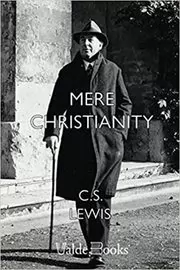
Mere Christianity
For readers who want a conversational introduction to central Christian beliefs. Lewis's analogies make the arguments approachable without a theology background, though his apologetic purpose and mid-century examples offer less coverage of differences among Christian traditions.
What it's about
Based on Lewis’s wartime BBC talks, this book lays out a plainspoken case for historic Christian belief. He moves from moral law and the existence of God to Christian doctrine and ethics, inviting readers to examine faith with both reason and imagination.
Also recommended by
1 person Russell Moore recommended this book
Russell Moore
Russell Moore recommended this book on Twitter.
Russell Moore's recommendation of this book

Knowing God
For Christians who want to connect what they believe about God with everyday faith. Packer combines substantial doctrine with pastoral reflection, though the sustained evangelical argument asks for more concentration than a short daily devotional.
What it's about
J. I. Packer explores Christian teaching about God's character and the relationship between theological knowledge and personal faith. His reflections connect understanding doctrines with knowing God through Jesus Christ, encouraging a deeper engagement with Christian belief.
Also recommended by
1 person Albert Mohler recommended this book
Albert Mohler
"Came to me as a lifeline when I was an 18-year-old Christian." - Albert Mohler
Albert Mohler's recommendation of this book

The Pilgrim's Progress
For readers who prefer spiritual ideas expressed through a journey and symbolic encounters. Bunyan gives temptation and perseverance a memorable narrative shape, though the explicit allegory and older language can feel less natural than a modern novel.
What it's about
Christian leaves the City of Destruction on a perilous journey toward the Celestial City. Encounters with symbolic places and characters turn his travels into an allegory of faith, temptation, perseverance, and the search for salvation.
The Screwtape Letters
For readers who enjoy irony and want familiar habits examined from an unexpected angle. Lewis makes spiritual self-deception vivid through fictional demonic advice, though the reversed moral viewpoint requires attention and is less direct than conventional devotional writing.
What it's about
An experienced tempter, Screwtape, advises his nephew Wormwood on how to sabotage the faith of an ordinary Englishman. Through their darkly funny letters, Lewis exposes everyday spiritual struggles and the subtle ways self-centeredness, boredom, and fear can erode belief.
Also recommended by
2 people Dominic D'Agostino recommended this book
Dominic D'Agostino
"Really good." - Dominic D'Agostino
Dominic D'Agostino's recommendation of this book  Patrick Bet-David recommended this book
Patrick Bet-David
Patrick Bet-David recommended this book on his website.
Patrick Bet-David's recommendation of this book
For readers ready to examine the demands of following Jesus beyond general encouragement. Bonhoeffer's treatment of grace and obedience gives discipleship a concrete seriousness, though the dense biblical argument requires slower reading than the popular introductions.
What it's about
Bonhoeffer unpacks Jesus’ Sermon on the Mount and introduces his famous contrast between cheap grace and costly grace, calling Christians to concrete obedience, cross-bearing, and life in community rather than comfortable, nominal belief.

For readers who want a thoughtful Christian response to contemporary doubts. Keller draws on cultural examples and conversations with skeptics, though the argument remains an apologetic for his faith rather than an impartial comparison of religious and secular positions.
What it's about
Timothy Keller addresses common objections to Christian belief and makes a case for its rational foundations. Drawing on literature, philosophy, and conversations with skeptics, he explores questions that trouble believers as well as people who doubt religion.

Orthodoxy
For readers who enjoy an imaginative, argumentative account of arriving at Christian belief. Chesterton's paradoxes and humor offer a different route from systematic apologetics, though the winding prose takes patience; the linked annotated edition helps explain its context.
What it's about
G. K. Chesterton recounts the reasoning behind his Christian beliefs, tracing a personal journey through skepticism and philosophical questions. He uses paradox, argument, and everyday examples to explain why he finds Christian orthodoxy intellectually persuasive.
Also recommended by
1 person Shauna Niequist recommended this book
Shauna Niequist
Shauna Niequist recommended this book on Twitter.
Shauna Niequist's recommendation of this book

Confessions
For readers who want spiritual autobiography that also asks philosophical questions. Augustine's personal searching opens into reflections on memory and time, though the prayerful structure and ancient setting make it more demanding than a modern conversion memoir.
What it's about
Augustine recounts his youth, intellectual searching, and conversion to Christianity in a sustained address to God. Personal memories lead into reflections on desire, faith, memory, time, and creation, combining spiritual autobiography with philosophical inquiry.

The Imitation of Christ
For readers seeking short, searching reflections on humility, prayer and inward devotion. The older devotional voice offers a contrast to contemporary encouragement, though its ascetic emphasis and Catholic sacramental context may need interpretation for some readers.
What it's about
Thomas à Kempis offers devotional reflections on humility, inward discipline, suffering, and dependence on God. Instructions and spiritual dialogues explore following Christ, detachment from worldly ambition, and the cultivation of a faithful inner life.

For readers who want a short, focused discussion of grace through one biblical parable. Keller considers both brothers rather than only the younger son's return, though the narrow textual focus offers less breadth than a general introduction to Christianity.
What it's about
Timothy Keller revisits the parable of the prodigal son through the younger brother, the older brother, and their father. His interpretation challenges both irreligious rebellion and religious moralism while presenting grace as the central message of Christian faith.

For Christians who want a direct challenge to comfortable habits of belief. Chan connects devotion with generosity and changed priorities, though the urgent exhortation offers less space for gradual reflection than a gentler devotional collection.
What it's about
Francis Chan challenges Christians to reconsider comfortable religious routines in light of God's love. Drawing on Scripture, he explores devotion, generosity, trust, and discipleship, arguing that faith should transform the way believers live.

For readers interested in the relationship between joy, worship and obedience. Piper develops a sustained theological argument around delight in God, though the distinct Reformed framework and repeated central thesis make it more demanding than a general inspirational book.
What it's about
John Piper develops his account of Christian hedonism, arguing that delight in God belongs at the heart of Christian life. He connects the pursuit of joy with worship, faith, and obedience, presenting theological reflections on knowing and glorifying God.

The Case for Christ
A Journalist's Personal Investigation of the Evidence for Jesus
For readers who want an interview-based introduction to Christian apologetics about Jesus. Strobel makes historical questions approachable through conversations with scholars, though the selection and framing build a case for belief rather than stage a balanced academic debate.
What it's about
Retracing his own spiritual journey from atheism to faith, a former legal editor interviews thirteen scholars to examine the historical record of Jesus. The book investigates ancient documents, archaeological evidence, and medical data surrounding the crucifixion.

The Confessions of St. Augustine
For readers interested in faith through memory, regret and personal change. Augustine's prayerful autobiography gives theological questions an intimate setting, though the philosophical and biblical reflections become more demanding than the early account of his life.
What it's about
Augustine recounts his early life, education, ambitions, and struggle toward Christian faith. His spiritual autobiography examines desire, regret, and conversion through a personal reflection on the meaning of his experiences and his relationship with God.
The Hiding Place
For readers who want faith explored through a wartime life story rather than an instructional guide. Ten Boom's account connects resistance, suffering and forgiveness, though the imprisonment and violence make it emotionally demanding despite its emphasis on hope.
What it's about
Corrie ten Boom's classic memoir tells how her Dutch family hid Jews in a secret room above their watch shop, endured arrest and Ravensbrück concentration camp, and discovered that God's presence and forgiveness can reach even the darkest places.

For readers who want a structured period of reflection on Christian purpose and service. Warren's themed progression makes it easy to read regularly, though the directive format and particular biblical interpretations leave less room for open-ended exploration.
What it's about
Rick Warren guides readers through a Christian exploration of life's purpose, drawing on biblical teachings. Worship, fellowship, discipleship, ministry, and evangelism structure his reflections on personal identity, spiritual growth, and service to others.

For readers interested in Eldredge's Christian interpretation of masculine identity and desire. The adventure-centered stories make the argument vivid, though its broad claims about what men need may not fit every reader's experience of masculinity.
What it's about
John Eldredge explores masculinity through a Christian framework, arguing that men long for adventure, meaningful struggle, and love. Personal stories and cultural examples support his invitation to examine desire, wounds, and spiritual identity.

The Practice of the Presence of God
For readers who want prayer connected with ordinary tasks instead of reserved for formal settings. Brother Lawrence's conversations and letters make attention during daily work central, though the brief devotional text provides less systematic instruction than a modern practice guide.
What it's about
Brother Lawrence's conversations and letters describe cultivating awareness of God during ordinary work and daily routines. The seventeenth-century Carmelite presents prayer as an ongoing inward relationship, sustained through attention, love, and repeated practice.
Also recommended by
1 person Krista Tippett recommended this book
Krista Tippett
"Talked about washing the dishes as an act of prayer." - Krista Tippett
Krista Tippett's recommendation of this book
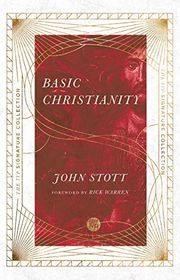
Basic Christianity
For readers who want a direct introduction centered on Jesus and what Christian commitment involves. Stott moves from belief toward practice with a clear pastoral voice, though the argument assumes an evangelical biblical framework rather than comparing denominations.
What it's about
John Stott introduces Christian belief through questions about Jesus Christ, human need and the response of faith. This edition updates the language and includes study questions, connecting the author's explanation of the gospel with the practice of Christian life.

Foxe's Book of Martyrs
For readers interested in how Protestant communities remembered persecution and religious endurance. The narratives show the power of martyr stories in shaping identity, though their confessional purpose and polemical perspective require historical context rather than uncritical acceptance.
What it's about
John Foxe recounts Christian persecution and martyrdom, with particular attention to the conflicts surrounding the Protestant Reformation in England. Stories of imprisonment, trials, and execution present religious endurance through a distinctly Protestant historical perspective.

For readers who prefer exploring Christian ethics through a story. Sheldon's premise connects faith with decisions about money, work and community, though the didactic novel presents an idealized moral challenge rather than a nuanced contemporary case study.
What it's about
After an encounter with a destitute stranger, Pastor Henry Maxwell and members of his congregation commit to following Jesus' example in their decisions. This Christian novel explores the consequences for work, wealth, relationships, and community.

More Than a Carpenter
For readers who want a concise introduction to Christian arguments about Jesus. The McDowells connect personal testimony with apologetics in an accessible format, though the short defense gives less room to competing scholarly interpretations than an academic study.
What it's about
Josh and Sean McDowell present a concise defense of Christian claims about Jesus, combining Josh's conversion story with arguments about Scripture and the resurrection. The revised book also addresses questions raised by science and contemporary atheism.

The Love Dare
For married Christians who want daily prompts connecting patience, kindness and faith with deliberate actions. The forty-day structure encourages consistency, though the challenge format offers a narrower approach than a full exploration of complex relationship difficulties.
What it's about
Alex and Stephen Kendrick organize a forty-day Christian challenge for married couples. Daily readings combine Scripture, reflection, and practical tasks intended to develop patience, kindness, forgiveness, and an understanding of love expressed through deliberate action.

For couples who want a simple vocabulary for discussing how they express affection. Chapman's categories make differences easier to raise in conversation, though the framework is a counseling model to explore rather than a fixed scientific classification of people.
What it's about
Gary Chapman proposes five ways people express and receive love: affirming words, time together, gifts, acts of service, and physical touch. Counseling examples illustrate his approach to understanding differences between partners and communicating affection.
Also recommended by
4 people Dustin Moskovitz recommended this book
Dustin Moskovitz
Dustin Moskovitz recommended this book on Twitter.
Dustin Moskovitz's recommendation of this book  Mark Manson recommended this book
Mark Manson
"Like the Harry Potter of relationship books." - Mark Manson
Mark Manson's recommendation of this book  Jay Shetty recommended this book
Jay Shetty
"Learn more about love languages in [this book]." - Jay Shetty
Jay Shetty's recommendation of this book - Patrick Bet-David recommended this book
Patrick Bet-David
Patrick Bet-David recommended this book on his website.
Patrick Bet-David's recommendation of this book

For readers drawn to a personal testimony about catastrophe, recovery and hope. Piper's account gives physical suffering as much attention as the experience he describes as heaven, though that experience remains a personal religious claim rather than independent evidence.
What it's about
Don Piper, writing with Cecil Murphey, recounts a devastating road accident and what he describes as an experience of heaven. His Christian memoir also follows the physical pain and emotional struggles of his lengthy recovery.

For Christians who want an extensive discussion of questions about the afterlife. Alcorn gathers biblical passages into a detailed account of future hope, though the resulting picture reflects his interpretation and includes conclusions other Christian traditions may dispute.
What it's about
Heaven offers a thorough look at what the Bible says about the afterlife and the coming New Earth, clearing up common myths and answering practical questions so readers can live now with a clearer hope of forever.

For readers who prefer a brief daily devotional centered on reassurance and trust. Young's direct-address format creates an intimate tone, though the words are her devotional composition and should be distinguished from the biblical passages referenced alongside them.
What it's about
Sarah Young presents daily Christian devotions written as though Jesus were addressing the reader. Scripture references accompany reflections on trust, gratitude, prayer, and peace, encouraging an ongoing sense of companionship with Christ in ordinary life.

The Case for Faith
A Journalist Investigates the Toughest Objections to Christianity
For readers whose questions about Christianity center on suffering, evil and other objections. Strobel's interviews make the exchanges easy to follow, though the selected voices aim to defend Christian belief rather than survey the full range of positions.
What it's about
Turning his investigative skills to the hardest objections against Christianity, Strobel tackles barriers like the existence of evil, suffering, and hell. He interviews philosophers and theologians to find satisfying answers to the "Heart 8" doubts that block many from belief.
Sources
- 1
The Best Christian Books of All Time
tckpublishing.com
- 2
Ten Books Every Christian Should Read
jimdaly.focusonthefamily.com
- 3
100+ Book Recommendations for Christians
kevinhalloran.net
- 4
Christian Books
goodreads.com
- 5
The Best Christian Books Everyone Should Read
womansday.com
- 6
What are your favorite Christian books?
reddit.com
- 7
What are your top 10 Christian books that you would recommend?
reddit.com
- 8
Top 50 Best Christian Books of All Time (Ultimate List)
becomingchristians.com
- 9
100 Best Christian Books of All Time
crosswalk.com
- 10
Christianity Books
goodreads.com
- 11
10 Books Every Christian Home Library Needs
ftc.co
- 12
QC Reading List
redeemer.com
- 13
Most influential books other than the Bible?
reddit.com
- 14
Book recommendations?
reddit.com







Edited by
Software engineer whose passion for tracking book recommendations from podcasts inspired the creation of MRB.
Lead investor at 3one4 Capital whose startup expertise and love for books helped shape MRB and its growth.
Comments
Spotted a missing book, a wrong order or a mistake? Tell us and we'll fix this page.
We're a reading guide, not the author or publisher, so we can't send books or pass on messages.