
12 Best Stress Management Books
The best stress management books, ranked by how many expert sources recommend each one, with notes on practical exercises, mindfulness, and the science.
Our take
Stress management books differ in what they ask you to do. Some explain the body’s responses to pressure, some examine recurring thoughts and expectations, and others offer exercises to practice over time. The useful distinction is between understanding an experience and finding an approach you can realistically return to during a demanding week.
Why Zebras Don’t Get Ulcers provides the scientific background, while The Upside of Stress focuses on how people interpret pressure. Burnout considers exhaustion and the expectations often placed on women. For a sustained mindfulness practice, Full Catastrophe Living offers extensive context, and A Mindfulness-Based Stress Reduction Workbook provides a more explicit exercise format. The Relaxation and Stress Reduction Workbook gives readers several methods to explore, while Don’t Sweat the Small Stuff . . . and It’s All Small Stuff uses brief everyday reflections. Start with an explanation if you want context, or choose a workbook if you are ready to set aside time for practice.
12 books · 8 sources · Last updated
As an Amazon Associate, we earn from qualifying purchases (at no extra cost to you).
How to choose from this list
Skip to the full rankingIf you want the scientific background: Why Zebras Don't Get Ulcers → The Upside of Stress
If you want practical exercises: The Relaxation and Stress Reduction Workbook → The Stress-Proof Brain
If you want sustained mindfulness practice: A Mindfulness-Based Stress Reduction Workbook → Full Catastrophe Living
If you feel worn down by expectations: Burnout
If you prefer brief daily reflections: Don't Sweat the Small Stuff . . . and It's All Small Stuff
The 12 books, ranked
Ranked by how many expert sources name each book. Ties go to the book more people recommend.

Why Zebras Don't Get Ulcers
The Acclaimed Guide to Stress, Stress-Related Diseases, and Coping
For readers who want to understand stress before choosing techniques. Its detailed biological explanation goes further than the practical workbooks, though the length and scientific detail make it less useful for a quick exercise.
What it's about
Robert M. Sapolsky explains how the body's stress response can become harmful when activated over long periods. He explores links between chronic stress and physical or psychological illness, combining scientific research with discussion of ways to manage stress.

For readers who find the fear of stress adds to an already demanding situation. Its focus on interpretation offers a different angle from relaxation manuals, though reframing cannot remove harmful circumstances or replace needed changes.
What it's about
Kelly McGonigal examines research on stress and argues that people's attitudes toward it can influence how they respond. She offers exercises for reframing stressful experiences as opportunities for engagement, connection and resilience rather than simply avoiding them.
Also recommended by
2 people Keith Rabois recommended this book
Keith Rabois
Keith Rabois recommended this book on a Medium blog post.
Keith Rabois's recommendation of this book  Austen Allred recommended this book
Austen Allred
Austen Allred recommended this book on his website.
Austen Allred's recommendation of this book

For readers, especially women, who feel exhausted by ongoing expectations and caregiving pressures. It separates external demands from the experience of stress, though its conversational approach is broader than a tailored assessment of individual circumstances.
What it's about
Emily and Amelia Nagoski examine burnout and the pressures placed on women, distinguishing stressful circumstances from the body's stress response. Explanations, exercises, and practical suggestions explore rest, connection, self-criticism, and ways of completing what they call the stress cycle.

Don't Sweat the Small Stuff . . . and It's All Small Stuff
Simple Ways to Keep the Little Things from Taking Over Your Life
For readers overwhelmed by everyday irritations who prefer brief reflections to a formal program. Its small sections are easy to revisit, though the broad advice offers less guidance for severe or persistent difficulties.
What it's about
Richard Carlson offers brief reflections and practices for responding more calmly to everyday frustrations. He encourages readers to reconsider minor conflicts and pressures, change their perspective, and cultivate habits that prevent small problems from dominating attention and relationships.

The Stress-Proof Brain
Master Your Emotional Response to Stress Using Mindfulness and Neuroplasticity
For readers who want psychological explanations paired with practical ways to respond differently. Its combination of mindfulness and cognitive approaches bridges theory and exercises, though using the tools consistently requires more effort than reading about them.
What it's about
Melanie Greenberg explores how stress affects emotional responses and habitual thinking. Combining mindfulness with psychological exercises and discussion of neuroplasticity, she offers ways to identify stressors, respond more deliberately, and develop resilience.

A Mindfulness-Based Stress Reduction Workbook
For readers who want a structured introduction to mindfulness with space to reflect and practice. Its exercises make the approach more hands on than a general overview, though regular meditation requires time and repetition.
What it's about
Bob Stahl and Elisha Goldstein present exercises for bringing mindfulness into responses to stress. This revised second edition combines workbook activities, meditations, and audio resources, helping readers explore stressful habits and practice greater awareness in everyday situations.

Full Catastrophe Living
Using the Wisdom of Your Body and Mind to Face Stress, Pain, and Illness
For readers prepared to make mindfulness a sustained practice rather than sample a few tips. Its extensive treatment gives meditation more context than the shorter guides, though the program asks for a substantial time commitment.
What it's about
Jon Kabat-Zinn presents mindfulness-based approaches to living with stress, pain, and illness. Meditation exercises, personal experiences, and research connect attention to the body and present moment with everyday challenges; this revised edition updates the book's scientific context.
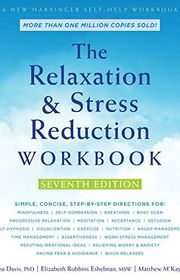
The Relaxation and Stress Reduction Workbook
For readers who want several practical methods to try rather than one central philosophy. Its organized exercises support experimentation and repeated practice, though the range can feel overwhelming unless you choose a manageable starting section.
What it's about
Martha Davis, Elizabeth Robbins Eshelman, and Matthew McKay present exercises for identifying stressors and practicing relaxation. The workbook covers a range of physical and psychological techniques, with worksheets to help readers apply them in daily life.

Mindfulness for Stress Management
50 Ways to Improve Your Mood and Cultivate Calmness
For readers who want short mindfulness activities that fit around a busy day. Its varied exercises offer more entry points than a single extended program, though selecting and repeating useful practices remains the reader’s responsibility.
What it's about
Robert Schachter offers fifty exercises organized around different forms of stress. The guide uses mindfulness, breathing, and body awareness to explore difficult thoughts, emotions, and communication, presenting short activities that readers can incorporate into ordinary daily routines.

Stress-Proof
The Scientific Solution to Protect Your Brain and Body--and Be More Resilient Every Day
For readers interested in how daily habits relate to stress and resilience. Its biological framing complements the reflective books, though a broad research overview cannot establish which proposed changes will help a particular person.
What it's about
Mithu Storoni explores how chronic stress affects the brain and body, drawing on scientific research. Chapters examine factors such as body rhythms, emotional triggers, and inflammation, then discuss proposed changes to daily habits intended to support resilience.

The Mayo Clinic Guide to Stress-Free Living
For readers who want a practical framework for attention and recurring worries. Its everyday focus offers an alternative to a lengthy meditation manual, though its general strategies still need adapting to the pressures you actually face.
What it's about
Amit Sood explains his approach to stress and resilience through the workings of attention and habitual thought. Based on a Mayo Clinic program, the guide presents strategies for responding to everyday worries and cultivating a more peaceful outlook.

The Strengths-Based Workbook for Stress Relief
A Character Strengths Approach to Finding Calm in the Chaos of Daily Life
For readers who prefer building on existing abilities rather than focusing mainly on problems. Its character strengths exercises give reflection a distinct structure, though the approach requires honest self-assessment and may feel abstract without concrete examples.
What it's about
Ryan Niemiec explores stress management through personal character strengths. Workbook activities encourage readers to identify their best qualities and apply them to challenges in relationships, health, and work, combining reflection with practical exercises for everyday situations.
Sources
- 1
Best Books on Stress: 8 Picks Ranked
yalom.com
- 2
13 Best Stress Management Books to Manage Anxiety
positivepsychology.com
- 3
Best Stress Management Books
goodreads.com
- 4
10 Best Stress Management Books
roliedema.com
- 5
19 Best Books on Stress Management
developgoodhabits.com
- 6
Books to manage stress
reddit.com
- 7
8 Stress Management Books For Men
fatherly.com
- 8
National Wellness Month Stress Books for Wellness
newharbinger.com


Edited by
Software engineer whose passion for tracking book recommendations from podcasts inspired the creation of MRB.
Lead investor at 3one4 Capital whose startup expertise and love for books helped shape MRB and its growth.
Comments
Spotted a missing book, a wrong order or a mistake? Tell us and we'll fix this page.
We're a reading guide, not the author or publisher, so we can't send books or pass on messages.