
20 Best Meditation Books
The best meditation books, ranked by how many expert sources recommend each one, with notes for beginners, skeptical readers, and people deepening their practice.
Our take
Meditation books can introduce a technique, explain a tradition, or help you understand the experience of practicing. Some give detailed instructions for sitting and working with distraction. Others use short reflections, personal stories, or everyday activities to make attention feel less abstract. Choosing between them is easier when you know whether you need a routine, an explanation, or help with an obstacle.
Mindfulness in Plain English is a direct instructional starting point, while Wherever You Go, There You Are and The Miracle of Mindfulness connect practice with ordinary life. Real Happiness offers a structured introduction, and The Mind Illuminated provides a much more detailed path. For a skeptical personal account, try 10% Happier; for an introduction to Zen’s approach, consider Zen Mind, Beginner’s Mind. Readers struggling with consistency may find Why Can’t I Meditate? more useful than another inspirational account. Start with one approach and leave room to practice what you read.
20 books · 9 sources · Last updated
As an Amazon Associate, we earn from qualifying purchases (at no extra cost to you).
How to choose from this list
Skip to the full rankingIf you want clear first instructions: Mindfulness in Plain English → Meditation for Beginners
If you prefer a structured introduction: Real Happiness
If you want mindfulness in daily life: The Miracle of Mindfulness → Wherever You Go, There You Are
If you are skeptical: 10% Happier → Waking Up
If you want a detailed training map: The Mind Illuminated
If keeping up a practice is difficult: Why Can't I Meditate?
The 20 books, ranked
Ranked by how many expert sources name each book. Ties go to the book more people recommend.
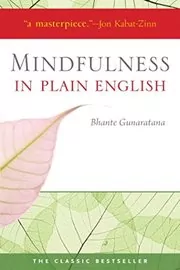
Mindfulness in Plain English
For beginners who want direct answers about what to do while meditating. Its patient explanations of attention and common obstacles make it more instructional than the reflective classics, though its Buddhist framework remains part of the teaching.
What it's about
Bhante Henepola Gunaratana introduces mindfulness meditation with practical guidance for developing a regular practice. He examines common misunderstandings about meditation, explains the role of awareness and concentration, and helps readers approach the practice without prior experience.
Also recommended by
2 people Vinod Khosla recommended this book
Vinod Khosla
"Easy access to meditation." - Vinod Khosla
Vinod Khosla's recommendation of this book  Shane Parrish recommended this book
Shane Parrish
"Deepens our understanding of the nuts-and-bolts of meditation." - Shane Parrish
Shane Parrish's recommendation of this book
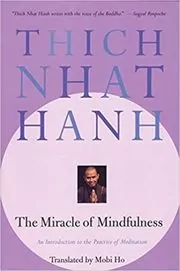
For readers who want a gentle introduction through breathing and everyday activities. Its simple exercises make the practice feel close to daily life, though it offers less detailed troubleshooting than Mindfulness in Plain English.
What it's about
Thich Nhat Hanh introduces meditation through practical exercises and stories about ordinary life. Attentive breathing and awareness during everyday tasks provide a starting point for cultivating concentration, presence, and a calmer relationship with one’s experience.
Also recommended by
1 person Kevin Rose recommended this book
Kevin Rose
"It was [the book] that really got me into mindfulness and applying it to everyday life." - Kevin Rose
Kevin Rose's recommendation of this book
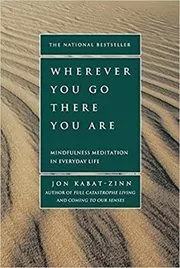
For readers who want mindfulness to feel connected with ordinary life. Its short reflections invite returning to familiar experiences with attention, though the loose structure offers less step-by-step instruction than a dedicated practice manual.
What it's about
Jon Kabat-Zinn introduces mindfulness meditation as a practice that can enter ordinary daily life. Short reflections explore attention, presence, and awareness, connecting formal meditation with a different way of relating to familiar experiences and everyday activities.
Also recommended by
2 people Tristan Harris recommended this book
Tristan Harris
"The point is that you will repeat our same mental habits everywhere we go." - Tristan Harris
Tristan Harris's recommendation of this book  Rick Rubin recommended this book
Rick Rubin
"It’s a great book if you’ve never meditated, and if you’ve been meditating for 50 years." - Rick Rubin
Rick Rubin's recommendation of this book
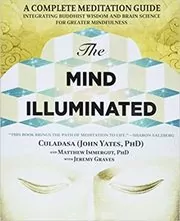
The Mind Illuminated
A Complete Meditation Guide Integrating Buddhist Wisdom and Brain Science for Greater Mindfulness
For methodical readers who want a staged account of developing attention. Its detailed instructions and maps provide more structure than most books here, though the length and emphasis on stages can encourage overthinking progress.
What it's about
John Yates, Matthew Immergut, and Jeremy Graves present a staged approach to meditation that combines Buddhist traditions with a model informed by neuroscience. Practical instructions address wandering attention, dullness, distraction, and the development of sustained awareness.
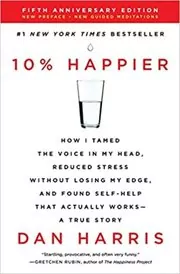
10% Happier
For skeptical readers who would rather follow a personal investigation than begin with spiritual instruction. Its candid memoir makes doubts and ambition part of the discussion, though it spends more time on the author’s journey than teaching practice.
What it's about
Dan Harris recounts how an on-air panic attack led him to question his habits and explore meditation. He examines his skeptical encounters with spiritual teachers and scientists while seeking a workable response to stress and incessant inner narration.
Also recommended by
3 people Peter Attia recommended this book
Peter Attia
"I’ve read a lot about mediation, but it was the first book I read where I thought, 'I can relate to this guy.'" - Peter Attia
Peter Attia's recommendation of this book  Veronica Belmont recommended this book
Veronica Belmont
"Made me totally rethink mindfulness and meditation." - Veronica Belmont
Veronica Belmont's recommendation of this book  Danny Miranda recommended this book
Danny Miranda
"Would recommend this to anyone who 'doesn’t have time to meditate' or is skeptical of the practice in general." - Danny Miranda
Danny Miranda's recommendation of this book
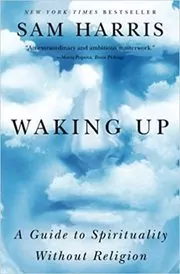
For readers who want to examine contemplative experience without religious belief. Its discussion of consciousness and the sense of self broadens the question beyond stress relief, though philosophical argument takes more space than practical meditation instructions.
What it's about
Sam Harris explores consciousness and the possibility of spiritual experience outside religious belief. He examines the nature of the self and argues that investigating the mind can provide a foundation for a secular approach to spirituality.
Also recommended by
3 people Naval Ravikant recommended this book
Naval Ravikant
"Loved [this book]." - Naval Ravikant
Naval Ravikant's recommendation of this book  Susan Cain recommended this book
Susan Cain
"Such a fantastic book. And it was really, for me, completely lifechanging." - Susan Cain
Susan Cain's recommendation of this book  Justin Boreta recommended this book
Justin Boreta
One of Justin Boreta's most-gifted or recommended books.
Justin Boreta's recommendation of this book
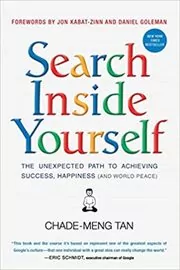
Search Inside Yourself
The Unexpected Path to Achieving Success, Happiness (and World Peace)
For readers interested in bringing mindfulness into work and relationships. Its exercises connect attention with emotional intelligence more directly than the traditional manuals, though the workplace framing is narrower than a broader contemplative path.
What it's about
Chade-Meng Tan adapts a mindfulness and emotional intelligence program developed at Google for everyday use. He introduces exercises for training attention, understanding emotions, and bringing greater awareness to work and personal relationships.
Also recommended by
3 people Matt Mullenweg recommended this book
Matt Mullenweg
"Pretty cool for leaders of companies because it talks about the business benefits of mindfulness." - Matt Mullenweg
Matt Mullenweg's recommendation of this book  Chip Conley recommended this book
Chip Conley
Chip Conley mentioned this book on "The Tim Ferriss Show" podcast.
Chip Conley's recommendation of this book  Arianna Huffington recommended this book
Arianna Huffington
Arianna Huffington mentioned this book in her book "Thrive."
Arianna Huffington's recommendation of this book
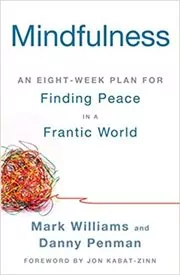
For readers who want a practical weekly structure with explanations and guided exercises. Its eight-week format makes the next step clearer than a reflective collection, though following the sequence requires regular practice rather than occasional reading.
What it's about
Mark Williams and Danny Penman present an eight-week program based on mindfulness-based cognitive therapy. Brief daily meditation practices guide readers in observing thoughts and habitual reactions, with exercises intended to address the pressures and anxieties of everyday life.
Also recommended by
2 people Will MacAskill recommended this book
Will MacAskill
"It’s significantly improved my life." - Will MacAskill
Will MacAskill's recommendation of this book - Arianna Huffington recommended this book
Arianna Huffington
Arianna Huffington mentioned this book in her book "Thrive."
Arianna Huffington's recommendation of this book
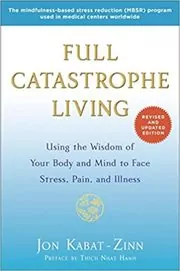
Full Catastrophe Living
Using the Wisdom of Your Body and Mind to Face Stress, Pain, and Illness
For readers who want a sustained mindfulness program rather than short inspiration. Its detailed account of mindfulness-based stress reduction gives practice a wider structure, though the length and daily commitment are substantial compared with introductory guides.
What it's about
Jon Kabat-Zinn presents mindfulness-based approaches to living with stress, pain, and illness. Meditation exercises, personal experiences, and research connect attention to the body and present moment with everyday challenges; this revised edition updates the book's scientific context.
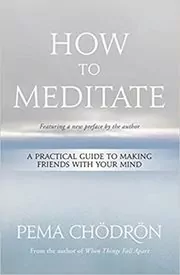
For readers who want to meet distraction and difficult feelings with less self-criticism. Its supportive, step-by-step guidance places the relationship with your mind first, though the Buddhist framing may not suit someone seeking an entirely secular account.
What it's about
Pema Chödrön offers a step-by-step introduction to developing a sustained meditation practice. She explores how to relate openly to the mind and the full range of experience, connecting meditation with authenticity, compassion, and a more wholehearted way of living.
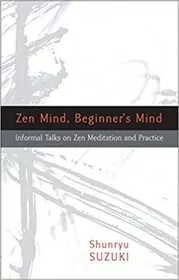
For readers interested in the attitude behind Zen practice as much as technique. Its compact talks reward rereading and openness, though paradoxical teachings can be less helpful than a structured manual when you want explicit instructions.
What it's about
Shunryu Suzuki’s informal talks introduce Zen meditation and practice through the idea of maintaining a beginner’s openness. The teachings address posture, breathing, nonattachment, and everyday awareness, connecting practical discipline with reflections on the nature of experience.
Also recommended by
7 people Steve Jobs recommended this book
Steve Jobs
Brent Schlender said Steve Jobs reread this book several times.
Steve Jobs's recommendation of this book - Kevin Rose recommended this book
Kevin Rose
"You could read over time and time again." - Kevin Rose
Kevin Rose's recommendation of this book  Sharon Salzberg recommended this book
Sharon Salzberg
"Greatly influenced my life." - Sharon Salzberg
Sharon Salzberg's recommendation of this book  Leo Babauta recommended this book
Leo Babauta
"A classic." - Leo Babauta
Leo Babauta's recommendation of this book  Marc Benioff recommended this book
Marc Benioff
Marc Benioff texted The New York Times a screenshot of a quote from this book.
Marc Benioff's recommendation of this book  Garry Tan recommended this book
Garry Tan
Garry Tan shared this book on Instagram.
Garry Tan's recommendation of this book +1
More recommendations
- Andy Puddicombe
"A great all-round book for anyone interested in mindfulness." - Andy Puddicombe
- Andy Puddicombe
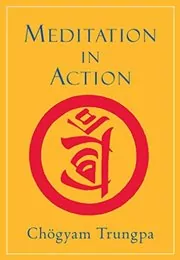
Meditation in Action
For readers who want to connect meditation with conduct beyond the cushion. Its Buddhist discussion of discipline, generosity, and awareness adds philosophical context, though it is less useful as a practical schedule for a new daily habit.
What it's about
Chögyam Trungpa introduces meditation as a practice extending into ordinary life. Discussions of generosity, discipline, patience, energy, clarity, and wisdom connect Buddhist teachings with direct experience, exploring how awareness can inform everyday conduct and one's relationship with the ego.
Also recommended by
2 people- Steve Jobs recommended this book
Steve Jobs
Daniel Kottke said he and Steve Jobs definitely read this book prior to the India trip.
Steve Jobs's recommendation of this book  Duncan Trussell recommended this book
Duncan Trussell
Duncan Trussell recommended this book on Twitter.
Duncan Trussell's recommendation of this book
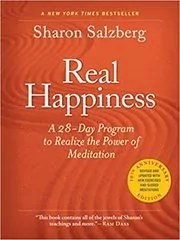
For beginners who want a defined period of practice with several core techniques. Its twenty-eight-day structure offers more direction than a collection of reflections, though completing the program is only a beginning rather than a finished skill.
What it's about
Sharon Salzberg guides readers through a twenty-eight-day introduction to concentration, mindfulness, and lovingkindness meditation. This revised edition adds exercises, journal prompts, and guided practices, supporting the development of a routine that begins with breathing and sitting techniques.
Also recommended by
1 person Dan Harris recommended this book
Dan Harris
"A good starter." - Dan Harris
Dan Harris's recommendation of this book
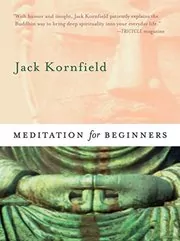
Meditation for Beginners
For readers who want a straightforward introduction to sitting, breathing, and working with experience. Its gentle guidance makes a manageable starting point, though the introductory scope gives less detail than a comprehensive training manual.
What it's about
Jack Kornfield introduces a step-by-step approach to beginning and maintaining a daily meditation practice. Exercises use attention to breathing, bodily sensations and difficult emotions, presenting insight meditation as a way to cultivate awareness and lovingkindness.
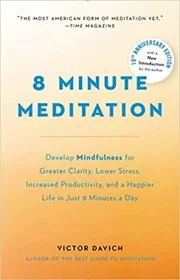
For busy beginners who want a small, clearly defined daily commitment. Its brief sessions lower the practical barrier to starting, though readers seeking deeper theory or a detailed account of Buddhist practice will need another book.
What it's about
Victor Davich introduces meditation through a program built around eight minutes of daily practice. The guide provides step-by-step instructions, answers common questions, and addresses difficulties beginners may encounter while establishing a routine in a busy life.
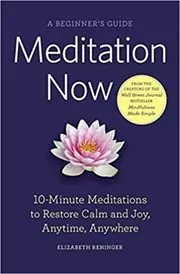
For beginners who prefer a selection of short practices they can fit around daily tasks. Its accessible format encourages trying different approaches, though the brief treatments offer less depth than a sustained course in one method.
What it's about
Elizabeth Reninger presents short meditation practices designed to fit into daily routines. Alongside instructions and longer practice plans, she offers guidance on working with thoughts and emotions and handling obstacles such as boredom or stressful situations.
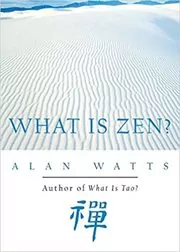
What Is Zen?
For readers who want an introduction to Zen’s ideas and cultural background. Its broad philosophical perspective complements the practical manuals, though explaining what Zen means is a different task from teaching a consistent sitting practice.
What it's about
Alan Watts traces Zen's Buddhist roots and its development through Chinese religious thought. He explores meditation, awakening, everyday awareness, and artistic expression, presenting Zen as both a moment of realization and a way of living.
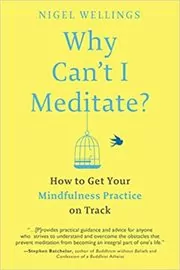
For readers who repeatedly struggle to start or maintain meditation. Its attention to boredom, resistance, and discomfort addresses obstacles that shorter introductions can overlook, though it focuses more on getting unstuck than mapping advanced practice.
What it's about
Nigel Wellings explores why people struggle to begin or sustain meditation. Drawing on teachers' guidance and beginners' experiences, he addresses boredom, discomfort, fear, and resistance, offering ways to make those difficulties part of an ongoing practice.
Mindfulness Workbook for Addiction
A Guide to Coping with the Grief, Stress, and Anger that Trigger Addictive Behaviors
For readers exploring mindfulness in relation to addictive habits and difficult emotions. Its exercises focus on triggers and coping rather than general meditation instruction, though that specialized workbook format has less relevance to readers without those concerns.
What it's about
Rebecca Williams and Julie Kraft explore the relationship between loss, difficult emotions, and addictive behaviors. Their workbook offers mindfulness exercises and coping strategies for understanding triggers, accepting feelings, strengthening supportive relationships, and developing alternatives to destructive habits.
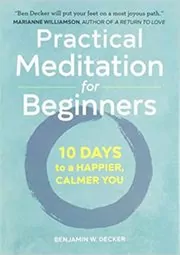
For beginners who want to compare several techniques before choosing a routine. Its ten-day sampler provides variety and clear prompts, though trying methods in quick succession gives less time to develop any one practice deeply.
What it's about
Benjamin Decker introduces ten meditation techniques through a ten-day program. Walking meditation, body scans, Zen, and Vipassana are among the practices covered, with clear instructions and reflection prompts to help readers develop a suitable routine.
Sources
- 1
Best Mindfulness Books: 10 Essential Picks
yalom.com
- 2
10 Best Meditation Books (From Beginner to Expert)
choosemuse.com
- 3
10 Best Meditation Books for Beginners
nerdycreator.com
- 4
Meditation Books
goodreads.com
- 5
The 6 Best Meditation Books of 2022
psychcentral.com
- 6
Best meditation book you have ever read that deeply affected your meditative performance (Secular, Pragmatic, Practical)
reddit.com
- 7
Five of the best meditation & mindfulness books
meditofoundation.org
- 8
Book recommendations
reddit.com
- 9
100 Best Meditation Books of All Time
shortform.com
Edited by
Software engineer whose passion for tracking book recommendations from podcasts inspired the creation of MRB.
Lead investor at 3one4 Capital whose startup expertise and love for books helped shape MRB and its growth.
Comments
Spotted a missing book, a wrong order or a mistake? Tell us and we'll fix this page.
We're a reading guide, not the author or publisher, so we can't send books or pass on messages.