
22 Best Stefan Zweig Books
The best Stefan Zweig books, ranked by how many expert sources recommend each one, with notes for newcomers, novella readers, and fans of history and memoir.
Our take
Stefan Zweig writes about people under emotional pressure: an attraction, a guilty decision, or a concealed experience can overturn an apparently settled life. His short fiction often compresses that pressure into a confession or encounter. The longer novels connect private feelings with social circumstances, while memoir, biography, travel writing, and literary portraits reveal his wider European cultural world.
The Royal Game offers a compact first encounter with his psychological tension. Fear and Twenty-Four Hours in the Life of a Woman explore different forms of emotional crisis, while Beware of Pity gives moral hesitation a longer and more troubling development. The World of Yesterday supplies autobiographical context. For nonfiction with a narrower subject, try a literary biography such as Mary Queen of Scots or the brief portrait Montaigne.
Start with a novella if you want his concentrated storytelling, or with the memoir if you want to understand the world behind it.
22 books · 9 sources · Last updated
As an Amazon Associate, we earn from qualifying purchases (at no extra cost to you).
Reading Stefan Zweig in order? See all Stefan Zweig books in order
How to choose from this list
Skip to the full rankingIf you want a short first introduction: The Royal Game
If you want concentrated psychological pressure: Fear → Twenty-Four Hours in the Life of a Woman
If you want a longer social and moral novel: Beware of Pity → The Post-Office Girl
If you want confession and difficult attachment: Letter from an Unknown Woman → Confusion
If you want memoir and European travel: The World of Yesterday → Journeys
If you want literary biography: Mary Queen of Scots → Marie Antoinette → Montaigne
The 22 books, ranked
Ranked by how many expert sources name each book. Ties go to the book more people recommend.
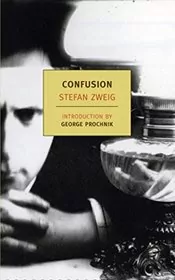
Confusion
For readers interested in admiration, intellectual attraction, and feelings that remain difficult to acknowledge. Its retrospective voice gives emotional ambiguity room to develop, though the historical treatment of sexuality and indirect disclosures ask for careful reading.
What it's about
A successful academic looks back on his student days and the overwhelming attachment he felt to a brilliant, tormented professor, a relationship tangled up with the professor’s unhappy marriage and with desires that neither man could easily name.
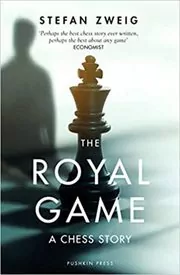
The clearest short introduction if you want psychological tension without a long commitment. Its tightly contained structure makes obsession and isolation immediate, though the history of imprisonment gives this seemingly elegant chess encounter a disturbing emotional weight.
What it's about
On a liner bound for Buenos Aires, world chess champion Mirko Czentovic encounters an unexpected rival in Dr B. The stranger's skill conceals a history of Nazi imprisonment, making their contest a dangerous test of his psychological stability.
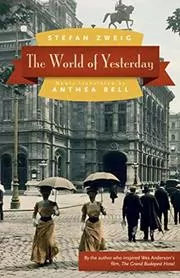
The World of Yesterday
For readers who want the cultural world behind the fiction and Zweig's account of its destruction. Its literary friendships and remembered Europe provide rich context, though nostalgia and an affluent cosmopolitan perspective shape what comes into view.
What it's about
In this memoir Zweig recalls the vanished world of prewar Vienna, his travels, friendships and literary success, then the rise of nationalism and exile, offering an intimate panorama of European culture from the late nineteenth century to the catastrophe of 1942.
Beware of Pity
Choose this for a sustained examination of guilt, compassion, and the damage caused by avoiding an honest decision. Its longer form develops moral pressure patiently, though disability, emotional dependency, and relentless remorse make it an uncomfortable read.
What it's about
Young cavalry officer Hofmiller accidentally humiliates a disabled girl at a social gathering in 1913. His efforts to make amends encourage expectations he cannot meet, turning compassion into an increasingly difficult conflict between guilt, obligation and romantic hope.
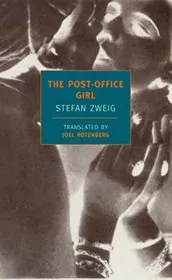
The Post-Office Girl
For readers who want Zweig's psychological attention connected to class, money, and frustrated possibility. Its social setting gives it a different emphasis from the shorter confessions, though the bleak atmosphere and posthumous status make it less conventionally resolved.
What it's about
Christine Hoflehner, a poorly paid post office clerk in postwar Austria, is briefly whisked into a world of wealth at a Swiss resort and then cast back into poverty, a fall that sparks desperate rebellion against the social order that has crushed her.

Burning Secret
Choose this for a child's view of adult manipulation, jealousy, and exclusion. Its compact resort setting makes the emotional conflict easy to enter, though the painful gap between what the child senses and understands can be unsettling.
What it's about
In an Austrian resort a bored baron befriends twelve year old Edgar only to use the boy as a go between to reach his mother, a cruel game that becomes a painful coming of age story as the child slowly grasps the adults’ burning secret.

Letter from an Unknown Woman
For readers who want Zweig's emotional intensity concentrated in one confessional voice. Its direct address makes longing and invisibility painfully immediate, though the extreme devotion and narrow perspective can feel deliberately overwhelming rather than psychologically balanced.
What it's about
An acclaimed writer receives a long letter from a woman he does not remember, and through her voice we follow a lifetime of unspoken devotion, brief encounters and heartbreak that he has barely noticed, until the letter forces him to face the cost of his obliviousness.

Twenty-Four Hours in the Life of a Woman
Choose this for a short confession about an extraordinary emotional episode and the judgment it attracts. Its framed narrative invites readers to reconsider respectable appearances, though the heightened passion and psychological explanations belong to an older literary mode.
What it's about
An older English widow tells of a single day in Monte Carlo when she was swept into the orbit of a desperate young gambler, an encounter that changes both their lives and becomes a lasting meditation on passion, risk and remorse.
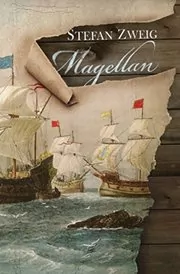
Choose this for an expedition narrative shaped around determination, uncertainty, and the pressures of command. Its biographical focus makes the voyage vivid, though its older European framing gives other peoples and perspectives less room.
What it's about
Zweig’s narrative of Ferdinand Magellan’s life follows the Portuguese sailor who set out under a Spanish flag to find a western route to the spice islands, enduring mutiny, storms and hunger to open the first circumnavigation of the globe.

Fear
For readers who want a concise psychological suspense story grounded in an apparently comfortable life. Its narrow focus on guilt and anticipation creates pressure quickly, though the sustained anxiety and period assumptions about marriage can feel constricting.
What it's about
Irene, a comfortable bourgeois wife, is drawn into an affair and then viciously blackmailed by another woman who knows her secret, sending her into a spiral of panic in which every knock at the door feels like the collapse of her ordered world.
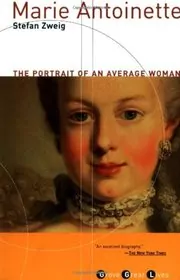
Choose this for a dramatic psychological portrait of a public figure under increasing historical pressure. Zweig's narrative gifts make the biography approachable, though its older interpretations and emphasis on personality differ from a modern specialist study.
What it's about
Zweig’s life of Marie Antoinette follows the Austrian archduchess who became queen of France from carefree adolescence at Versailles through political turmoil, failed escape and imprisonment, painting a detailed picture of her character as she faces the Revolution and the guillotine.
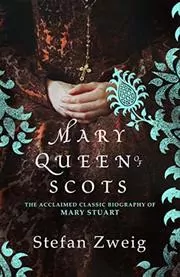
Mary Queen of Scots
For readers who enjoy biography driven by character, rivalry, and high political stakes. Its dramatic pacing brings the royal conflicts close, though Zweig's psychological interpretations and older scholarship should be distinguished from a current archival account.
What it's about
A sweeping biography of Mary Stuart that tracks her from childhood in France to the intrigue of the Scottish court, disastrous marriages, imprisonment in England and execution, with Zweig highlighting both her political missteps and the passions that drove them.

The Right to Heresy
Choose this for a focused argument about freedom of conscience told through a historical confrontation. Its moral clarity makes it a useful companion to Erasmus of Rotterdam, though the parallels with Zweig's own era strongly shape the portrayal.
What it's about
Zweig recounts Sebastian Castellio's opposition to John Calvin and religious persecution in sixteenth-century Geneva. The historical conflict becomes an argument about conscience, the right to dissent, and the dangers of authority that claims exclusive possession of truth.
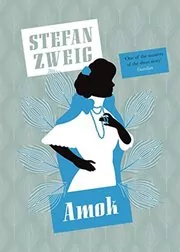
Amok
Choose this for a compressed, feverish confession about pride, obsession, and a disastrous moral failure. Its intensity makes a strong impression quickly, though the colonial setting, sexual politics, and psychological extremity require a critical, historically aware reading.
What it's about
On a ship from the colonies back to Europe, a doctor obsessively recounts how his refusal to help a proud woman seeking an illegal abortion drove him into madness and self sacrifice, a tale steeped in colonial unease and Freudian psychology.
Erasmus of Rotterdam
For readers interested in humanism, moderation, and the pressures placed on intellectual independence. Its portrait speaks to Zweig's own political concerns, though that moral purpose makes it more interpretive than a comprehensive history of the Reformation.
What it's about
Here Zweig portrays Erasmus as a cautious yet courageous humanist, torn between reform and moderation during the wars of religion, exploring his lifelong defense of learning, tolerance and compromise in an age that increasingly demanded stark, violent choices.

Journey into the Past
Choose this for a restrained examination of memory, separation, and the possibility of returning to an earlier love. Its quiet concentration contrasts with Amok's feverish confession, though the compressed form leaves much emotional history implicit.
What it's about
Years after a passionate but thwarted love affair with his employer’s wife, Ludwig returns from exile in Mexico to a changed Germany and a widowed beloved, and the pair must confront whether the feelings they preserved in memory can survive the present.

Shooting Stars
For readers who want short, dramatic historical episodes rather than a continuous biography. Its selected turning points make an accessible introduction to Zweig's nonfiction storytelling, though the theatrical concentration simplifies wider causes and long-term historical change.
What it's about
Ten historical miniatures adapted from his larger cycle, each capturing a star hour when history pivots in minutes, from discoveries and political gambles to artistic breakthroughs, told in a swift, dramatic style that makes the past feel immediate.

Amerigo
For readers interested in how a historical reputation can emerge through confusion and the circulation of information. Its narrow question makes a compact nonfiction detour, though the older reconstruction and literary shaping need comparison with newer scholarship.
What it's about
An essay in historical detection, this short book investigates how Amerigo Vespucci, a minor Florentine navigator, came to give his name to the American continent, using the mix of error, vanity and chance surrounding early voyages to question how history assigns fame.
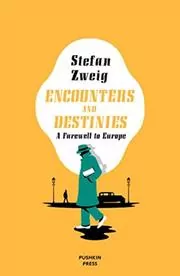
Encounters and Destinies
Choose this for literary portraits and tributes that illuminate Zweig's attachments to artists, thinkers, and friendship. Its varied subjects complement The World of Yesterday, though the commemorative tone provides affection and interpretation more than detached critical assessment.
What it's about
Essays in which Zweig pays tribute to writers, artists and thinkers he knew or admired, among them figures such as Rilke, Proust, Freud and Toscanini, reflecting on their work, their personal quirks and what their lives meant to a troubled European century.
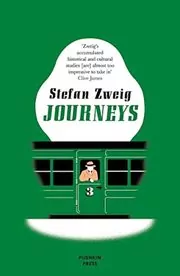
Journeys
For readers who want the observant traveler behind Zweig's fiction and memoir. Its varied European impressions offer a lighter way to sample his nonfiction, though the pieces reflect a particular era and outlook rather than a comprehensive travel narrative.
What it's about
This volume gathers Zweig’s travel pieces on European cities and landscapes, from busy rail hubs to seaside resorts, blending descriptions of place with reflections on art, politics and the fragile sense of shared culture that existed before the Second World War.
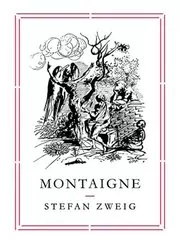
Montaigne
Choose this for a brief intellectual portrait concerned with protecting inner freedom during public upheaval. Its urgency gives the subject personal significance, though the short, interpretive treatment offers less complete biographical coverage than the royal lives.
What it's about
Zweig’s unfinished portrait of Michel de Montaigne presents the Renaissance essayist as a quiet hero of skepticism and tolerance, relating his life during religious wars to modern crises and reflecting on what it means to carve out inner freedom in violent times.
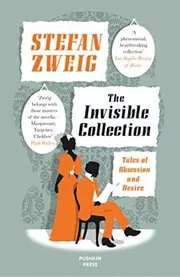
Choose this if you want short studies of obsession and desire in one volume rather than a single novella. The range offers a useful sample of Zweig's emotional concerns, though concentrated melodrama and recurring anxieties can make continuous reading intense.
What it's about
An art dealer visits an elderly, blind collector who proudly shows him a legendary portfolio of prints, unaware that his family has been forced to sell the originals during the chaos of inflation, a quiet story about illusion, dignity and loss.
Sources
- 1
Stefan Zweig
nyrb.com
- 2
Top Stefan Zweig Books
goodreads.com
- 3
Stefan Zweig
fantasticfiction.com
- 4
Stefan Zweig
penguinrandomhouse.com
- 5
Stefan Zweig
pushkinpress.com
- 6
The best introduction to Stefan Zweig?
reddit.com
- 7
Werkverzeichnis
stefan-zweig.net
- 8
Werken van Stefan Zweig
stefanzweig.nl
- 9
Which Stefan Zweig novel to start with?
reddit.com





Edited by
Software engineer whose passion for tracking book recommendations from podcasts inspired the creation of MRB.
Lead investor at 3one4 Capital whose startup expertise and love for books helped shape MRB and its growth.
Comments
Spotted a missing book, a wrong order or a mistake? Tell us and we'll fix this page.
We're a reading guide, not the author or publisher, so we can't send books or pass on messages.