
22 Best Asian Cooking Books
The best Asian cooking books, ranked by how many expert sources recommend each one, with notes on cuisines, ingredient shopping, and the right book to start.
Our take
Asian cooking books range from broad collections of familiar dishes to detailed guides rooted in one country, region, or family kitchen. The most useful choice depends on what you like to eat and which ingredients you can buy. A short pantry list can make everyday cooking easier, while more specialized recipes may reward a trip to a dedicated grocery store.
Vietnamese Food Any Day emphasizes supermarket-friendly meals, and Indian-Ish draws on an Indian-American family’s flexible home cooking. The Food of Sichuan explores one region in greater depth. Asian Dumplings and The Wok concentrate on techniques, while Dishoom and Momofuku bring restaurant cooking home, often with more preparation. Vegetarian cooks can turn to East, and books such as The Rangoon Sisters and Amazing Malaysian offer focused introductions to other kitchens.
Start with the cuisine you already enjoy, choose a few recipes that share ingredients, and build your pantry around those meals.
22 books · 8 sources · Last updated
As an Amazon Associate, we earn from qualifying purchases (at no extra cost to you).
How to choose from this list
Skip to the full rankingIf you want flexible everyday meals: Vietnamese Food Any Day → Indian-Ish
If you want Chinese home cooking: Every Grain of Rice → The Woks of Life → The Food of Sichuan
If you want technique practice: Asian Dumplings → The Wok
If you want vegetarian inspiration: East
If you want Korean or Thai foundations: Maangchi's Real Korean Cooking → Simple Thai Food
If you want Burmese and Malaysian cooking: The Rangoon Sisters → Amazing Malaysian → Sambal Shiok
The 22 books, ranked
Ranked by how many expert sources name each book. Ties go to the book more people recommend.

101 Asian Dishes You Need to Cook Before You Die
Discover a New World of Flavors in Authentic Recipes
For cooks who want recognizable dishes from several cuisines before choosing a regional specialty. Tila makes restaurant favorites an approachable starting point, though the broad selection offers less depth than a dedicated Chinese or Thai collection.
What it's about
Jet Tila presents Asian dishes ranging from drunken noodles and pho to Korean barbecue and miso-roasted fish. Recipes accompany explanations of ingredients, flavor, history, and technique, helping home cooks reproduce familiar restaurant foods and explore a wider range of cuisines.
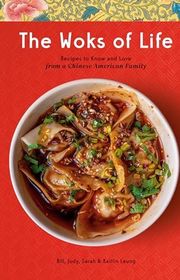
The Woks of Life
For cooks wanting Chinese family meals and restaurant favorites in one approachable collection. The Leung family’s different perspectives broaden its usefulness, though recipes range in complexity and some still need a well-stocked Chinese pantry.
What it's about
Bill, Judy, Sarah, and Kaitlin Leung share Chinese and Chinese-American dishes alongside their family’s food stories. The collection brings together traditional home cooking, restaurant experience, and the younger generation’s preferences, with recipes intended for home kitchens.
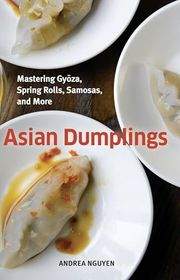
Asian Dumplings
For cooks who want to understand wrappers, doughs, fillings, and shaping instead of relying only on bought dumplings. Nguyen provides detailed technique instruction, though making components from scratch requires time and a willingness to practice.
What it's about
Andrea Nguyen explains how to make savory and sweet dumplings, filled pastries, buns, and rolls from several Asian cuisines. Recipes are organized around doughs and wrappers, with instructions for preparing fillings, shaping parcels, and cooking them by different methods.

For cooks wanting Chinese home meals with vegetables playing a substantial role. Dunlop’s practical recipes and pantry guidance suit regular cooking, though the dishes are not all vegetarian and a few key seasonings are essential.
What it's about
Fuchsia Dunlop introduces everyday Chinese home cooking with vegetables at its center and modest amounts of meat and fish. Recipes accompany explanations of essential seasonings and techniques, showing how a stocked pantry and straightforward methods can produce varied meals.
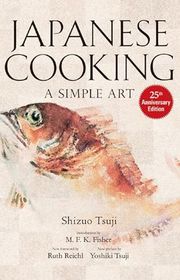
Japanese Cooking: A Simple Art
For cooks who want to study Japanese foundations and technique rather than simply follow a short menu. Tsuji explains the principles behind preparation and presentation, though the detailed reference format takes more time than beginner collections.
What it's about
Shizuo Tsuji explains Japanese cooking through ingredients, tools, techniques, and recipes. The book develops an understanding of preparation and presentation, giving cooks a foundation for making traditional dishes rather than simply following isolated instructions.
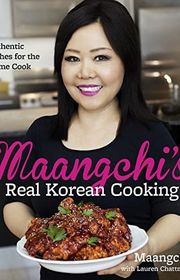
Maangchi's Real Korean Cooking
For cooks who want a broad Korean foundation, from everyday side dishes to familiar restaurant meals. Maangchi explains techniques alongside the recipes, though the seasoning cupboard and multiple components of a meal take some preparation.
What it's about
Maangchi introduces Korean home cooking through soups, stews, barbecue, rice dishes, side dishes, kimchi, and pickles. The collection explains ingredients and techniques while giving home cooks a route from simple preparations to more involved meals.
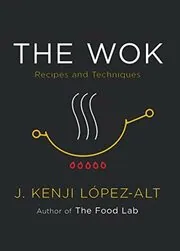
The Wok
For cooks who want to know why wok techniques work as well as what to make. López-Alt’s experiments support adapting methods to home equipment, though the extensive explanations make this a substantial reference rather than a compact recipe collection.
What it's about
López-Alt makes the wok feel useful, not mysterious, with clear lessons on heat, tools, prep, and motion. The book moves from fried rice and noodles to tempura and curries, showing how one pan can handle fast, flavorful cooking.

For busy cooks who want Vietnamese flavors without frequent specialty-store trips. Nguyen’s ingredient choices and shortcuts make everyday meals manageable, though cooks seeking long traditional preparations may prefer a more specialized Vietnamese collection.
What it's about
Andrea Nguyen adapts Vietnamese cooking for everyday meals using ingredients available in ordinary supermarkets. Recipes include banh mi, rice-paper rolls, pho, and desserts, with shortcuts and practical guidance that help home cooks develop Vietnamese flavors without extensive specialty shopping.
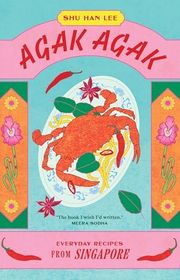
Agak Agak
For cooks who want Singaporean flavors and encouragement to adjust dishes through taste and experience. Lee connects everyday meals with an intuitive approach, though beginners may initially prefer following the recipes closely before improvising.
What it's about
Shu Han Lee explores Singaporean cooking through recipes and the practice of adjusting food by taste and intuition. Classic and modern dishes range from kaya toast and rice to curries, noodles, and sweets, with guidance for adapting the approach.
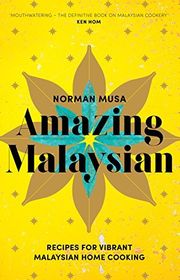
Amazing Malaysian
For cooks wanting a broad introduction to Malaysian favorites in a home-kitchen format. Musa emphasizes accessible preparations and ingredient choices, though the recipes still benefit from assembling a pantry before working through the collection.
What it's about
Norman Musa introduces Malaysian home cooking through recipes for satay, curries, laksa, coconut rice, and other dishes. The collection presents a range of flavors and textures with ingredients and instructions intended to make the food approachable at home.

For vegetarian cooks who want varied dinners drawing on several Asian cuisines. Sodha favors adaptable home cooking rather than exhaustive regional coverage, though the mix of influences suits recipe inspiration better than studying one cuisine systematically.
What it's about
Meera Sodha gathers 120 vegan and vegetarian recipes inspired by cooking across Asia. Designed for everyday meals, the collection draws on cuisines from India to Japan, combining varied flavors with practical methods and accessible ingredients.

Gok Cooks Chinese
For cooks who want familiar Chinese takeaway dishes and family favorites with a personal voice. Wan keeps the collection practical and welcoming, though his modern family approach offers less regional detail than a Chinese reference book.
What it's about
Gok Wan shares Chinese home cooking inspired by his family, from dim sum and street food to simple suppers and dishes for gatherings. Recipes come with guidance on ingredients and equipment, making familiar flavors approachable in an everyday kitchen.

For cooks interested in Indian-American family food and flexible combinations rather than a regional reference. Krishna’s personal approach makes experimentation welcoming, though readers seeking a comprehensive account of traditional Indian cooking should choose a different starting point.
What it's about
Priya Krishna celebrates her mother Ritu’s inventive Indian-American cooking through recipes and family stories. Dishes combine childhood Indian flavors with American favorites and influences from travel, offering practical home cooking that reflects the family’s life between culinary traditions.

For ambitious cooks who want restaurant recipes alongside the story of how the kitchens developed. Chang and Meehan offer a distinctive perspective on ramen and pork-centered dishes, though many preparations require planning and substantial kitchen time.
What it's about
David Chang and Peter Meehan combine recipes from the Momofuku restaurants with accounts of Chang's unexpected rise as a chef. Ramen, pork buns, and other signature dishes illustrate the ideas, ingredients, and mishaps behind the restaurants.
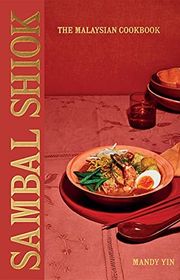
Sambal Shiok
For cooks interested in Malaysian family food alongside dishes developed for a restaurant. Yin gives laksa and other specialties detailed attention, though preparing pastes, stocks, and individual components can make some recipes better suited to weekends.
What it's about
Mandy Yin shares Malaysian recipes drawn from her mother’s cooking and her London restaurant. The collection includes laksa, curries, rice dishes, snacks, and sweets, combining family food traditions with dishes developed in a professional kitchen.

For cooks wanting recognizable Thai dishes with guidance suited to a home kitchen. The focused selection offers a manageable introduction, though getting the intended balance of flavors still depends on finding the right core ingredients.
What it's about
Punyaratabandhu presents one hundred Thai recipes drawn from family cooking, street stalls and restaurant favorites. Guidance on ingredients, equipment and basic preparations accompanies one-plate meals, rice accompaniments and sweets, adapting the dishes for home cooks.

For beginners who want rice preparation and shaping techniques explained before making sushi at home. Gomi’s focused guidance is easier to follow than a broad Japanese reference, though it covers a narrower range of meals.
What it's about
Yuki Gomi teaches home sushi preparation through step-by-step guidance on rice, selecting and preparing fish, and rolling techniques. Recipes cover traditional forms and variations such as vegetarian and handball sushi, with accompanying dishes and practical advice for the home kitchen.

The Food of Sichuan
For cooks ready to explore one Chinese region in depth rather than collect general favorites. Dunlop explains Sichuan’s range of flavors and preparations, though some recipes require specialty ingredients and more work than a quick stir-fry.
What it's about
Fuchsia Dunlop revisits Sichuan cooking through recipes for dishes such as mapo tofu, twice-cooked pork, and gong bao chicken. Ingredient guidance, regional history, and accounts of her travels illuminate the flavors and traditions behind the food.
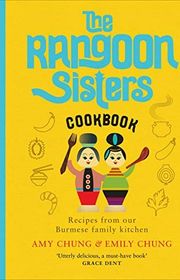
The Rangoon Sisters
For cooks wanting an introduction to Burmese food through home recipes and family experience. The Chung sisters make the collection approachable without specialist equipment, though some dishes need longer cooking and unfamiliar pantry ingredients.
What it's about
Emily and Amy Chung share Burmese recipes shaped by their family cooking and supper clubs. Chapters cover snacks, salads, curries, rice, noodles, and sweets, with dishes designed for combining into shared meals at home with family or friends.

For cooks wanting a practical introduction to Japanese home meals beyond sushi alone. Ikeda explains everyday foundations alongside familiar dishes, though building a small pantry of Japanese seasonings is still part of getting started.
What it's about
Atsuko Ikeda introduces Japanese home cooking through recipes for main dishes, sharing plates, and desserts. Guidance on dashi, rice, seasoning, meal balance, and presentation accompanies familiar foods such as teriyaki, gyoza, and tempura, along with family favorites and modern variations.

For cooks who want Indonesian recipes grounded in family stories and regional variety. Lee connects sambals and everyday dishes with their background, though some aromatics and pantry ingredients will require more searching than supermarket cooking.
What it's about
Lara Lee explores Indonesian cooking through family recipes, regional dishes, and stories from island life. Instructions cover foods such as nasi goreng, rendang, satay, and pandan cake, with special attention to sambals and accessible ways to prepare their distinctive flavors.

For cooks who enjoy recreating restaurant dishes and reading about the city behind them. The Bombay setting gives the collection a strong identity, though several recipes call for advance preparation or longer cooking than a weekday meal.
What it's about
The Dishoom team shares restaurant recipes alongside a day-long journey through Bombay’s food and neighborhoods. Dishes such as black daal, bacon naan rolls, and biryani join chai and cocktails, while stories and photographs explain the city’s influence on the restaurant.
Sources
- 1
15 Asian-Authored Cookbooks You Need On Your Shelf
womenshealthmag.com
- 2
Top 15 of The Best Asian Cookbooks To Spice Up Your Cooking
authenticfoodquest.com
- 3
What is the best asian cookbook you own?
reddit.com
- 4
Asian cookbooks
reddit.com
- 5
East Asian
cookswithoutborders.com
- 6
Best Asian Cookbooks
goodreads.com
- 7
Cookbooks by Asian and Asian American Chefs
penguinrandomhouse.com
- 8
Our favourite East and Southeast Asian cookbooks
thehappyfoodie.co.uk







Edited by
Software engineer whose passion for tracking book recommendations from podcasts inspired the creation of MRB.
Lead investor at 3one4 Capital whose startup expertise and love for books helped shape MRB and its growth.
Comments
Spotted a missing book, a wrong order or a mistake? Tell us and we'll fix this page.
We're a reading guide, not the author or publisher, so we can't send books or pass on messages.