
14 Best Songwriting Books
The best songwriting books, ranked by how many expert sources recommend each one, with notes to help beginners and experienced writers choose where to start.
Our take
Songwriting combines words, melody, harmony, rhythm, and the habit of turning unfinished ideas into something you can hear. Books can help with each part, but they take different approaches. Some offer exercises, some explain musical relationships, and others share the experiences of working songwriters. A lyric workbook and a collection of interviews can both be useful without serving the same purpose.
If starting feels intimidating, try How to Write One Song. Writing Better Lyrics gives words and imagery focused attention, while Songwriting Without Boundaries turns that work into regular practice. For the musical side, Melody in Songwriting and Great Songwriting Techniques offer more detailed study. Songwriters On Songwriting lets you compare different creative processes, and Tunesmith combines technical discussion with a working writer's perspective. If avoidance is the main obstacle, The War of Art addresses that directly. Start with one exercise you can hear or sing, then use the result to identify what you need to learn next.
14 books · 10 sources · Last updated
As an Amazon Associate, we earn from qualifying purchases (at no extra cost to you).
How to choose from this list
Skip to the full rankingIf you're writing your first song: How to Write One Song
If you want stronger lyrics: Writing Better Lyrics → Songwriting Without Boundaries → The Craft of Lyric Writing
If you want to develop melodies: Melody in Songwriting → Great Songwriting Techniques
If you want several working writers' perspectives: Songwriters On Songwriting → Tunesmith
If you keep putting off the work: The War of Art
If you want craft connected with pitching songs: How to Be a Hit Songwriter
The 14 books, ranked
Ranked by how many expert sources name each book. Ties go to the book more people recommend.

Songwriters On Songwriting
For writers who want to hear how established songwriters actually work. The range of interviews shows several possible processes rather than one formula, though it is a long collection to explore selectively rather than a structured course.
What it's about
Paul Zollo interviews songwriters about the ways they turn inspiration into music. Conversations with figures including Bob Dylan, Paul Simon, Madonna, and Leonard Cohen explore personal methods, collaboration, and the craft of songwriting across popular musical genres.

Writing Better Lyrics
For songwriters whose lyrics feel vague, predictable, or disconnected from the music. Exercises give imagery and phrasing practical attention rather than relying on inspiration, though the focus on words makes it less useful for developing harmony or instrumental ideas.
What it's about
Pat Pattison offers exercises for developing stronger song lyrics through imagery, metaphor, rhythm, and repetition. Examples from songs show how writers can refine language and connect a lyric’s emotional meaning with its musical setting.

For writers who want craft, musical thinking, and professional experience in one substantial book. Webb's personal approach connects technical discussion with practice, though the detail and older industry context make it more demanding than a short introduction.
What it's about
Jimmy Webb explains the craft and business of songwriting through technical instruction and stories from his career. He examines song structure, melody, harmony, lyrics, creative blocks, and the practical work of getting songs heard.

For songwriters who keep avoiding the work even when they have ideas. The short, forceful chapters focus on creative resistance and commitment, though they offer motivation rather than specific help with lyrics, melody, or harmony.
What it's about
Pressfield names the inner enemy of creative work, Resistance, then breaks down how fear, procrastination, and self-sabotage keep people from doing what matters. It is short, blunt, and aimed at writers, artists, entrepreneurs, and anyone stuck at the starting line.
Also recommended by
16 people Joe Rogan recommended this book
Joe Rogan
"A great book about harnessing creativity." - Joe Rogan
Joe Rogan's recommendation of this book  Lex Fridman recommended this book
Lex Fridman
"Beautiful book." - Lex Fridman
Lex Fridman's recommendation of this book  Aubrey Marcus recommended this book
Aubrey Marcus
"One of the most influential books in my life." - Aubrey Marcus
Aubrey Marcus's recommendation of this book  Ryan Holiday recommended this book
Ryan Holiday
One of Ryan Holiday's 2 answers to "what book are you most likely to give out as a gift?"
Ryan Holiday's recommendation of this book  Seth Godin recommended this book
Seth Godin
Seth Godin mentioned this book on "The Tim Ferriss Show" podcast.
Seth Godin's recommendation of this book  Brian Koppelman recommended this book
Brian Koppelman
"Talks about resistance." - Brian Koppelman
Brian Koppelman's recommendation of this book +10
More recommendations
- Marie Forleo
"The essential no-bullshit guide for anyone who battles self-doubt or struggles to bring any important project to life." - Marie Forleo
- Daniel Pink
"I have [a little sign] on my desk here that says, 'Beat the resistance.' So, I’ve given [this book] out a lot too." - Daniel Pink
- Derek Sivers
"Are you a writer who doesn’t write, a painter who doesn’t paint, an entrepreneur who never starts a venture? Then you know what “Resistance” is. This book is about that. Read it." - Derek Sivers
- Soman Chainani
"Half drill sergeant, half Zen voodoo master, [the author] shot me out of my stupor and taught me the meaning of creative discipline." - Soman Chainani
- Russell Moore
"About showing up and not waiting for inspiration to hit." - Russell Moore
- Jen Sincero
"Read this thing if you want to blast past your fears and insecurities and resistance to being your biggest, badassiest self." - Jen Sincero
- Jodie Cook
"This book is a sharp reality check for every artist. It will help you become unblocked, right now and possibly forever." - Jodie Cook
- Danny Miranda
"Odds of re-reading: close to 100%." - Danny Miranda
- James Clear
"[One of] the 10 best nonfiction books of all-time." - James Clear
- Michael Hyatt
Michael Hyatt recommended this book on his website.
- Marie Forleo

The Craft of Lyric Writing
For writers who want to turn an idea into a coherent lyric with a clear emotional direction. Its craft focus offers more structure than an interview collection, though the established popular-song conventions may feel limiting for experimental approaches.
What it's about
Sheila Davis guides songwriters through shaping ideas into lyrics that listeners can understand and remember. She explores lyric forms, language, emotional appeal, and the relationship between words and music, using examples to illustrate the craft.

For beginners who need the idea of songwriting made small enough to try. Tweedy's personal examples and exercises encourage starting with one song, though the conversational approach offers less systematic musical theory than the technical books here.
What it's about
Jeff Tweedy guides readers through creating a single song, from words and music to combining them. Exercises and reflections on his own process encourage regular creative practice, approaching songwriting as an activity that can enrich everyday life.
Also recommended by
1 person Judd Apatow recommended this book
Judd Apatow
"So helpful to anyone who wants to be creative, not just songwriters." - Judd Apatow
Judd Apatow's recommendation of this book
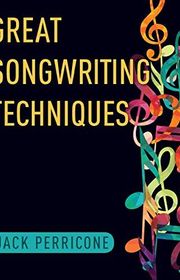
Great Songwriting Techniques
For experienced writers ready to study how melody, harmony, rhythm, and lyrics support one another. Its integrated musical analysis offers more depth than a beginner's prompt book, though notation and technical detail make it a demanding read.
What it's about
Jack Perricone examines melody, harmony, rhythm, form, and the placement of lyrics through lessons and analyses of popular songs. The book connects individual musical techniques with the larger task of creating a coherent and expressive composition.

For writers who want revision linked with presenting songs professionally. The combination of craft exercises and marketing advice distinguishes it from a pure lyric manual, though older industry practices need adapting to the way music reaches listeners today.
What it's about
Molly-Ann Leikin offers advice and exercises for revising, polishing, and marketing songs. She discusses strengthening lyrics and music, provides steps for developing lyrics, and includes interviews with music-industry figures about presenting work and building professional connections.

For songwriters who want melody treated as a skill they can analyze and develop. Its attention to musical relationships goes beyond a lyric-centered guide, though some theoretical knowledge and the willingness to work through examples help considerably.
What it's about
Jack Perricone explains melody writing through the relationships among rhythm, harmony, and song structure. Examples from established songwriters illustrate techniques for developing melodies, understanding harmonic movement, and analyzing how the elements of popular songs work together.

Gypsy Dreamers in the Alley
For readers interested in Nashville songwriting culture and the people behind it. Personal memories provide a different kind of insight from a technique manual, though the informal, anecdotal structure offers little sequential instruction for writing your own songs.
What it's about
Chris Gantry recalls the musicians, friendships, and creative upheaval of Nashville’s Music Row in the 1960s. Drawing on personal memories and exchanges with fellow artists, he portrays the songwriters who helped reshape country music.
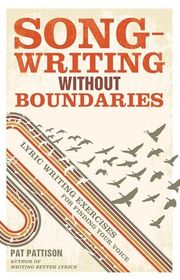
For writers who understand lyric principles but need a regular practice routine. Timed exercises make sensory detail and fresh language the daily task, though the book concentrates on generating and developing words rather than composing complete musical arrangements.
What it's about
Pat Pattison presents timed writing exercises organized into four fourteen-day challenges. Examples and prompts focus on sensory detail, imagery, metaphor, and voice, giving songwriters a repeated practice for generating material and developing expressive language.

For writers who prefer learning melody through practical lessons rather than reading theory alone. The exercises offer a focused way to test ideas, though progress depends on making musical examples and revisiting them rather than simply finishing the book.
What it's about
Jimmy Kachulis offers hands-on lessons and exercises in melody writing, based on songwriting courses at Berklee College of Music. The guide introduces techniques used in popular songs and invites beginners and experienced writers to apply them to their own work.

For songwriters who keep returning to the same chord progressions and want more choices. The exercise-led approach makes harmony something to experiment with, though it is a focused musical workbook rather than an introduction to every part of songwriting.
What it's about
Jimmy Kachulis teaches songwriting harmony through exercises on chords, keys, and progressions. He examines chord colors and embellishments, ways to modify harmonies, and progressions common in popular songs, helping writers expand the musical choices available in their work.

How Music Really Works
The Essential Handbook for Songwriters, Performers, and Music Students
For readers who want musical concepts explained without depending on notation. Diagrams connect several parts of popular music in one reference, though the breadth makes it a substantial study and its framework is not a substitute for listening and practice.
What it's about
Wayne Chase explains popular music and songwriting through diagrams and plain language rather than musical notation. His handbook connects lyrics, melody, chords, rhythm, and performance with the history and development of musical styles.
Sources
- 1
Shelf help: 35 of the best books for songwriters [March 2026]
songwritingmagazine.co.uk
- 2
5 Songwriting Books You Must Read
careersinmusic.com
- 3
The 10 Best Songwriting Books to Read in 2023
twostorymelody.com
- 4
13 Best Songwriting Books 2026 That’ll Improve Your Lyricism
musicindustryhowto.com
- 5
Six Songwriting Books Every Songwriter Should Own
thesongfoundry.com
- 6
Songwriting Books
goodreads.com
- 7
Songwriting books for beginners?
reddit.com
- 8
14 Best Songwriting Books To Read in 2025 (with bonuses)
integraudio.com
- 9
What books to check out on songwriting and melodies?
reddit.com
- 10
4 Essential Songwriting Books Every Musician Should Read
americansongwriter.com


Edited by
Software engineer whose passion for tracking book recommendations from podcasts inspired the creation of MRB.
Lead investor at 3one4 Capital whose startup expertise and love for books helped shape MRB and its growth.
Comments
Spotted a missing book, a wrong order or a mistake? Tell us and we'll fix this page.
We're a reading guide, not the author or publisher, so we can't send books or pass on messages.